
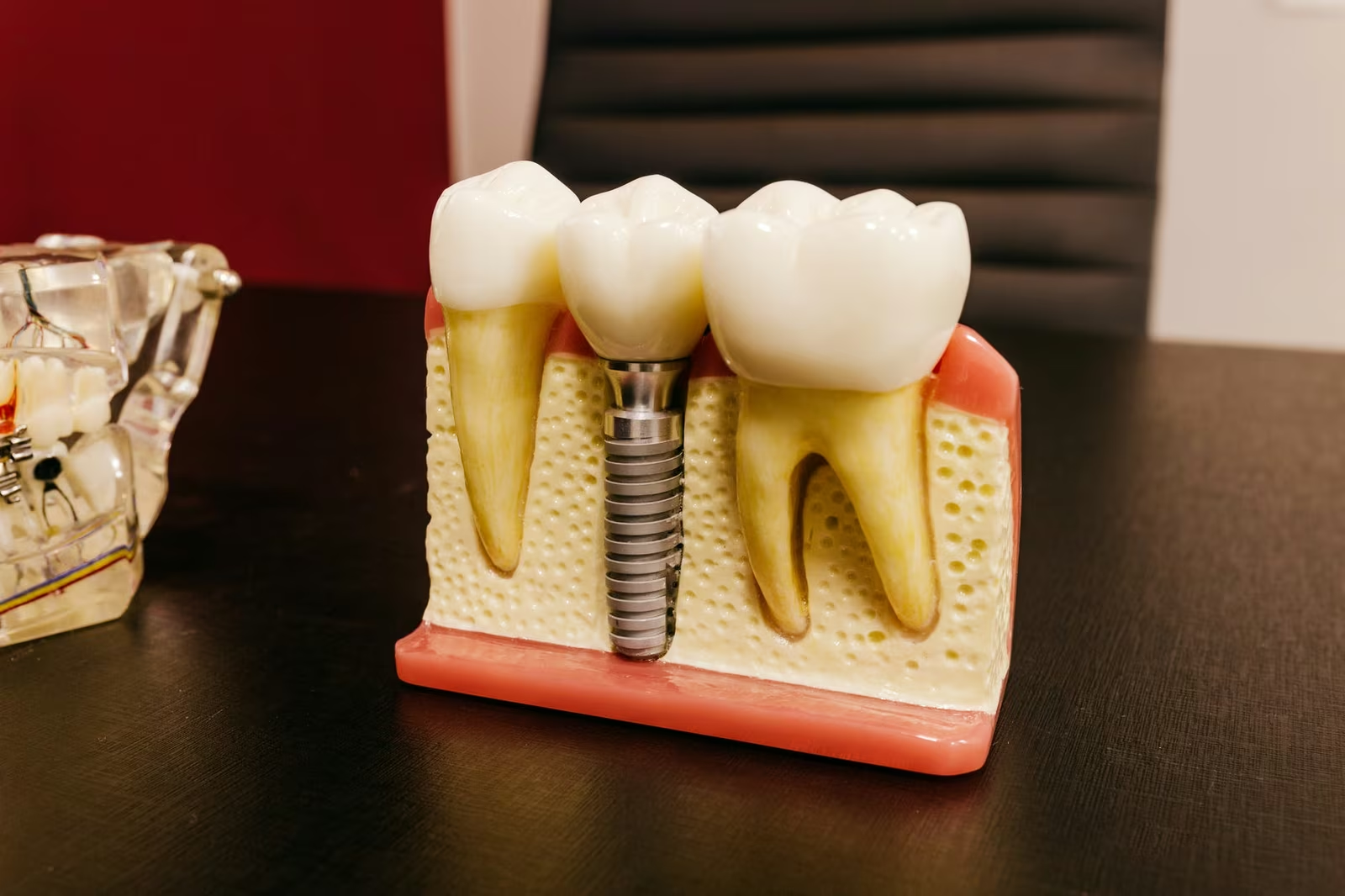
A dental implant is a titanium post surgically placed into the jawbone to replace the root of a missing tooth, topped with a crown that restores its function and appearance. The full process, from placement to final restoration, generally spans several months to allow the implant to fuse with the bone. At Sola Dental Spa in Staten Island, Dr. Daniel Nejat guides patients through every stage of treatment, from the initial evaluation to long-term care.
What Is a Dental Implant?
A dental implant is a small, biocompatible post, typically made of titanium, that replaces the root of a missing tooth. Unlike a bridge or a removable denture, it integrates directly with your jawbone through a process called osseointegration, which provides a stable, natural-feeling foundation for a replacement tooth.
What Are the Benefits of a Dental Implant?
| Benefit | Why It Matters |
|---|---|
| Long-term durability | When placed and cared for properly, implants are designed to function as a long-term tooth replacement. |
| Jawbone preservation | An implant stimulates the jawbone the way a natural tooth root does, helping prevent the bone loss that follows tooth loss. |
| Natural function | Implants look and function like natural teeth, supporting normal chewing, speaking, and smiling. |
What Should You Consider Before Implant Surgery?
- Jawbone condition. Sufficient bone density and volume are needed to support an implant. If bone is insufficient, a sinus lift or bone graft may be recommended first.
- Overall oral health. Gum disease and other oral health issues need to be addressed before implant placement to support a successful outcome.
- Health history and lifestyle. Conditions such as uncontrolled diabetes or cardiovascular issues, along with habits like smoking, can affect healing and may need to be managed first.
What Are the Steps of the Dental Implant Procedure?
| Step | What Happens |
|---|---|
| 1. Treatment planning | We use advanced imaging, including 3D scanning, to evaluate jaw strength and plan the precise location for your implant. |
| 2. Implant placement | The implant is surgically placed into the jawbone under a detailed surgical plan. |
| 3. Restoration | Once the implant has fused with the bone, a custom crown, bridge, or denture is attached to complete your smile. |
“Dental implants give patients back more than a tooth. Because the implant is anchored in the jawbone, it helps preserve the bone structure underneath and gives patients a stable, natural-feeling result they can rely on for years.”
Dr. Daniel Nejat, DMD, Board-Certified Periodontist (Diplomate, American Board of Periodontology), Sola Dental Spa
How Successful Are Dental Implants?
According to the American Association of Oral and Maxillofacial Surgeons, dental implants have an overall success rate of about 95 percent. Success depends heavily on the factors covered above: adequate jawbone density, well-managed overall health, and good oral hygiene both before and after placement. Patients who smoke or have uncontrolled chronic conditions face a higher risk of complications, which is why Dr. Nejat reviews your full health history before recommending implant surgery.
What Types of Restorations Can an Implant Support?
A single implant typically supports a single crown, replacing one missing tooth without affecting the teeth on either side. For patients missing several teeth, implants can also anchor a bridge, and for patients missing all the teeth in an arch, a set of implants can secure a full denture. The right approach depends on how many teeth are missing, the condition of your jawbone, and your goals, all of which Dr. Nejat reviews during your consultation.
How Should You Prepare for Implant Surgery?
Before scheduling surgery, Dr. Nejat evaluates whether you are a good candidate through an exam and imaging. If bone loss is present, a sinus lift or bone graft may be recommended in advance to build a stronger foundation. After surgery, you will receive detailed instructions to support a smooth recovery.
How Can You Speed Up Recovery?
- Use an ice pack to reduce swelling on your face during the first day or two.
- Stick to soft foods while the surgical site heals.
- Brush gently around the implant site to protect it while it heals.
- Follow your dentist's guidance closely, since healing time varies by patient and case.
Frequently asked questions
How long does dental implant surgery take?
Placing a single implant typically takes one to two hours. The complete process, including healing and the final restoration, generally takes several months.
Are there age restrictions for dental implants?
There is generally no upper age limit. Candidacy depends more on overall health and jawbone condition than age alone.
Does getting a dental implant hurt?
The surgery itself is performed under anesthesia, so you should not feel pain during the procedure. Afterward, some discomfort is common and typically manageable with standard pain relief. Contact your surgeon if pain worsens instead of improving.
Will I need a bone graft before getting an implant?
It depends on how much bone remains at the site. An evaluation with imaging is the first step in determining whether additional bone building is needed.
Are dental implants covered by insurance?
Coverage varies by plan and circumstance. Our team can help you understand your specific benefits during a consultation.
Investing in a dental implant means investing in a durable, long-term solution for a missing tooth rather than a temporary fix that needs revisiting every few years. Schedule a consultation with Dr. Nejat at Sola Dental Spa in Staten Island to find out if you are a candidate.