
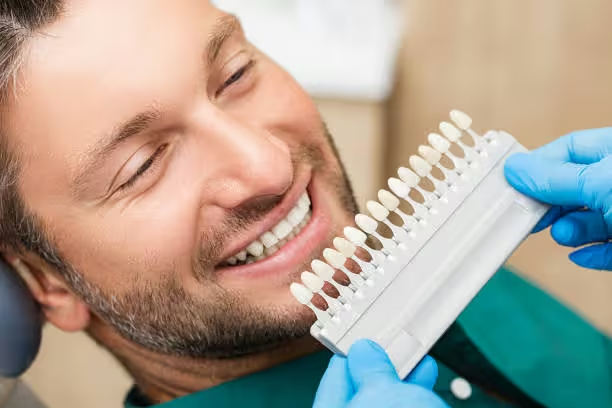
No, standard dental insurance almost never covers veneers because they are classified as a cosmetic procedure. The narrow exception is when a veneer also restores a damaged or broken tooth rather than only improving its appearance, and even then coverage is usually partial. At Sola Dental Spa in Staten Island, we are upfront about this from the first consultation and help you plan the cost rather than guess at it.
"Insurance treats veneers as cosmetic, so I am upfront that most patients pay out of pocket. Where I can help is planning the case so you treat only what you need and finance the rest."
Dr. Anne Gershkowitz, DDS, Founder, Sola Dental Spa
The reason comes down to how insurers define a covered procedure: something needed for dental health, like decay or damage. Choosing to improve the look of healthy teeth is elective, so it falls outside most plans. If you are weighing treatment, our porcelain veneers page covers the process and what to expect.
When might a veneer be partially covered?
The exception is when a veneer also restores a tooth, rather than only improving its appearance. Examples include:
- A front tooth that is chipped or broken, where the veneer restores function.
- Damage from an accident, which may fall under a medical or dental claim.
- Worn enamel that has become a functional problem, not just a cosmetic one.
Even then, coverage is partial and depends entirely on your plan, so it is worth confirming in writing before treatment.
What does it cost without insurance?
Because veneers are rarely covered, most patients plan for the cost directly rather than counting on a benefit.
| Scenario | Typical cost per tooth | Coverage likelihood |
|---|---|---|
| Purely cosmetic veneer | About $1,000 to $2,500 | Not covered |
| Veneer restoring a chipped or broken tooth | About $1,000 to $2,500 | Partial, plan dependent |
| Veneer after accident or trauma | About $1,000 to $2,500 | Possible under medical or dental claim |
Porcelain veneers at Sola Dental Spa start at about $1,800 per tooth, quoted per case at the consultation. The full breakdown, including what drives the price up or down, is in How Much Do Dental Veneers Cost?
How do you check your own coverage?
Five questions settle it. Ask them before treatment, not after.
| Step | Action |
|---|---|
| 1 | Call your insurer and ask specifically whether your plan has a cosmetic dentistry exclusion. |
| 2 | Ask whether a restorative benefit could apply if the veneer is also repairing damage. |
| 3 | Ask about any waiting periods or annual maximums that could affect your claim. |
| 4 | Request a written pre-treatment estimate before you commit to treatment. |
| 5 | Ask our team to help submit documentation if a restorative benefit may apply. |
How can you plan for the cost?
Financing lets you spread the cost into monthly payments, and a good treatment plan keeps the number down by treating only the teeth that show. We are clear about the full cost before any work begins. Many flexible spending and health savings accounts allow qualified dental expenses; confirm with your plan administrator before counting on it for veneers.
What happens during a veneers consultation?
We start by looking at your teeth, bite, and goals, then explain honestly which teeth need treatment and which do not. Porcelain veneers are thin, custom-made shells bonded to the front of the tooth, and they generally hold their color and shape longer than composite veneers, which are built up directly on the tooth in one appointment but tend to need more frequent touch-ups. With proper care, porcelain veneers commonly last ten to fifteen years or longer before replacement is needed.
How does the insurance claim process work when a veneer is partly restorative?
If a veneer is replacing function on a chipped or broken tooth, we document the damage and submit the claim with supporting notes so your plan can evaluate it against its own restorative criteria. Approval and the percentage covered vary by insurer, and some plans still deny the claim if any part of the treatment is considered elective. Confirming this in writing before treatment avoids a surprise bill afterward. If a restorative claim is denied, you can usually appeal with additional documentation from the dentist explaining why the veneer was needed to restore the tooth; we prepare that documentation on request.
Porcelain or composite: which material fits your budget?
Porcelain veneers are fabricated in a lab from an impression of your teeth, which adds a step to the process but produces a stronger, more stain-resistant result that closely mimics natural enamel. Composite veneers are sculpted from resin directly on the tooth, cost less per tooth, and can often be adjusted the same day, but the material is more prone to staining and chipping over time. Neither material is covered by insurance when the reason for treatment is purely cosmetic, so the choice usually comes down to budget, how many teeth need treatment, and how long you want the result to last before a refresh. The side-by-side is in Porcelain Veneers vs. Composite Veneers.
What do patients get wrong about veneers and insurance?
Many patients assume that because a treatment is elective, it is automatically excluded from every plan, or conversely, that any veneer placed after an injury will be fully covered. Neither assumption is reliable. Coverage decisions come down to the specific wording of your plan and the documentation submitted with your claim, not a general rule about cosmetic dentistry.
It also helps to ask early rather than after treatment is finished. A pre-treatment estimate from your insurer gives you a much clearer picture than trying to appeal a decision after the fact.
How does Sola Dental Spa approach veneer cases?
We will tell you honestly whether any part of your case might qualify for coverage, and we design the smallest treatment that gets the result you want. Dr. Gershkowitz plans every veneer case personally, matching shade and shape to your natural smile before any tooth is prepared.
Frequently asked questions
Will my insurance ever pay for veneers?
Only in narrow cases where the veneer restores a damaged or broken tooth, and even then only partially. Purely cosmetic veneers are not covered.
How can I make veneers more affordable?
Treat only the teeth that show, choose the right material for your goals, and use financing to spread the cost over time.
How much do veneers cost without insurance?
Porcelain veneers generally run about $1,000 to $2,500 per tooth, depending on the material and how many teeth are treated.
Does my medical insurance ever apply instead of dental?
Occasionally, if the veneer is restoring damage from an accident or trauma rather than improving the look of a healthy tooth. This needs to be confirmed with your specific plan before treatment.
What is the difference between a veneer and a crown for coverage purposes?
Crowns are more often considered restorative because they typically follow decay, a fracture, or a root canal, so plans are more likely to cover part of the cost. Veneers are usually chosen for appearance alone, which is why they are treated differently.
Can I use an FSA or HSA to help pay for veneers?
Many flexible spending and health savings accounts allow qualified dental expenses, but rules vary by plan administrator. Check with your plan directly before assuming veneers qualify.
What happens if my claim for a restorative veneer is denied?
You can typically appeal with additional documentation from your dentist explaining why the veneer was needed to restore the tooth rather than purely to improve its appearance. Our team can help prepare that documentation if a claim comes back denied.
Does the cause of the damage change whether insurance pays?
Often, yes. A veneer placed to repair a tooth chipped in a fall is more likely to receive partial coverage than a veneer placed purely to change the shade of an undamaged tooth. Documentation of the original injury or damage strengthens a claim either way.
Sources: American Dental Association, MouthHealthy: Veneers, American Dental Association, MouthHealthy: Paying for Care.
If you are weighing veneers, book a consultation with Sola Dental Spa in Staten Island, or see real patient results in the smile gallery.