
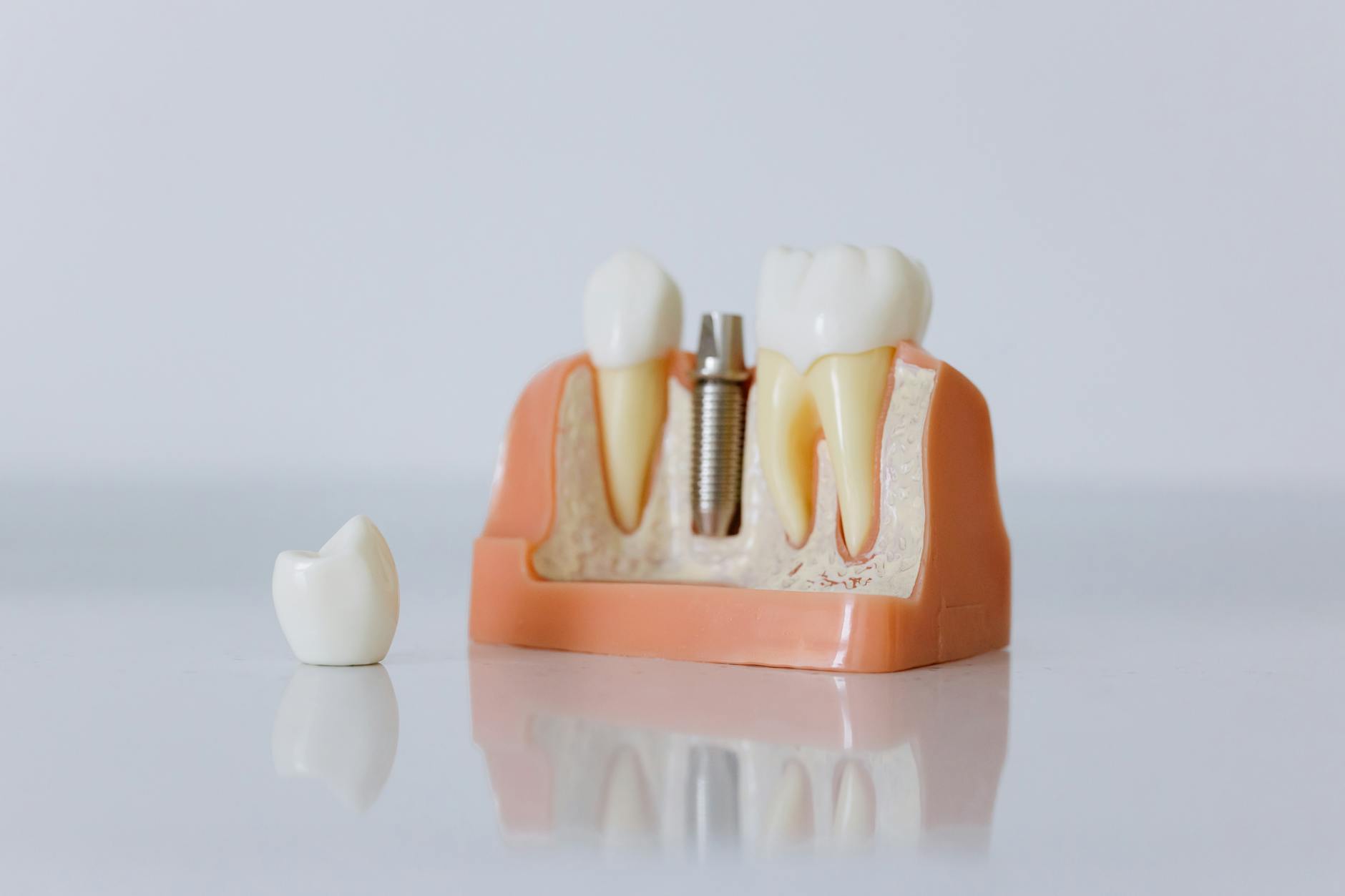
Most adults in good general health with adequate jawbone density are candidates for dental implants. Key disqualifying factors include uncontrolled diabetes, active periodontal disease, insufficient bone volume without grafting, and active smoking. A clinical evaluation with 3D imaging is required to confirm candidacy.

How Long Dental Implants Last
Dental implants are designed for longevity. The titanium post, once fully integrated with the jawbone, can last a lifetime in a healthy patient. The ceramic crown placed on top typically lasts 10 to 15 years before requiring replacement due to normal wear. In some patients with ideal conditions and consistent maintenance, the entire construct has remained functional for 25 years or more.
- Titanium post: Lifetime
- Crown: 10-15 years
- Overall implant system: 25+ years in optimal conditions
The American Academy of Implant Dentistry notes that modern implants have been used successfully for over 30 years, and that well-placed and well-maintained implants have the potential to last for decades.
Factors That Determine Candidacy
Jawbone Quality and Quantity
The implant post requires sufficient bone to anchor into. Density and volume are assessed with CBCT 3D imaging. Patients with low bone volume due to prolonged tooth loss or prior extractions may require bone grafting before implant placement. Advances in bone regeneration techniques have made implants possible for many patients previously told they were not candidates.
- Adequate volume and density: Standard implant candidate
- Thin or low-density bone: May require bone grafting
- Significant volume deficiency: Extensive grafting or alternative restoration
Medical History and Systemic Health
Most systemic conditions do not prevent implant placement but may require management before surgery. The ADA notes that chronic illnesses such as diabetes may interfere with healing after surgery, and patients with these conditions may not be good candidates without first achieving adequate control. Conditions that affect healing or immune function warrant careful discussion with your dentist and physician.
- Uncontrolled diabetes: Delays healing; increases infection risk
- Autoimmune disease: May affect osseointegration
- Osteoporosis: Bone density may be insufficient
- Blood thinners: Requires management around surgery
- Controlled conditions (with documentation): Often not disqualifying
Smoking
Smoking is among the most significant predictors of implant failure. It impairs osseointegration by reducing blood flow and oxygen delivery to the surgical site, slows soft tissue healing, and increases the risk of peri-implantitis. Patients are advised to cease smoking at minimum three months before implant placement and to remain smoke-free throughout the healing period. Patients who cannot commit to cessation are counseled on alternative options.
Gum and Periodontal Health
Active periodontal disease must be fully treated before implant placement. Placing an implant in an environment with active bacterial infection creates immediate risk of implant failure through peri-implantitis. Patients with a history of periodontitis require more frequent maintenance appointments after implant placement and should be evaluated for ongoing susceptibility.
Key Benefits of Dental Implants
The primary clinical advantage of implants over all other tooth replacement options is osseointegration, the process by which the titanium post bonds with living bone tissue. This bond provides a fixed, load-bearing foundation that stimulates bone maintenance, prevents resorption, and eliminates the instability of removable prosthetics. Patients with implants eat without restriction, maintain normal speech, and care for them with standard oral hygiene.
Long-Term Maintenance
Implant maintenance mirrors natural tooth care. Brush twice daily with a soft-bristled brush, floss daily around the crown margin, and attend professional cleanings every six months. An interdental brush or water flosser helps clean the area beneath the crown at the gumline. X-rays at clinician-recommended intervals assess bone level stability over time. For more, see how to care for dental implants and what are dental implants and how do they work?
References
- MouthHealthy (ADA), Dental Implants
- AAID, Dental Implant FAQs
- AAID, What Are Dental Implants?