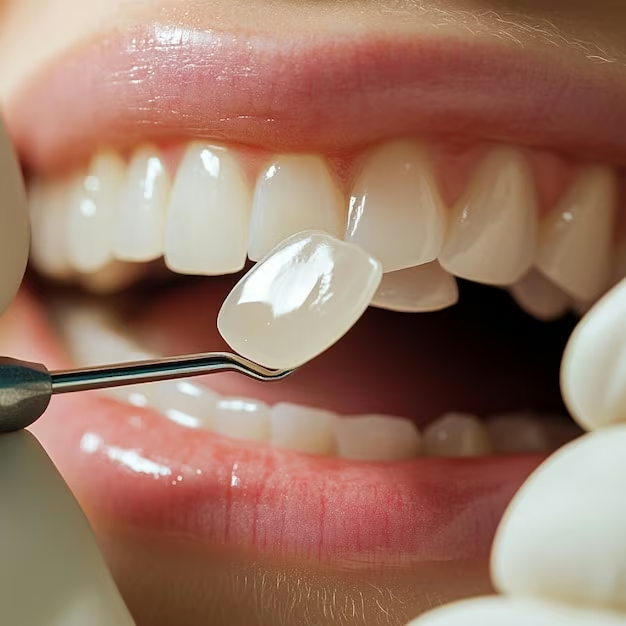
Dental veneers can be an excellent way to brighten, even out, and reshape a smile, but they are not the right answer for everyone, and at Sola Dental Spa in Staten Island, New York, we walk every patient through both sides before committing. Veneers are thin, custom shells of porcelain or composite resin bonded to the front of the teeth to cover chips, stains, gaps, and minor shape issues. They deliver a natural looking, lasting cosmetic upgrade, but most porcelain veneers require permanently reshaping a small amount of enamel, so the decision deserves real thought. If budget is part of your planning, our guide on how much dental veneers cost is a good place to start.
The main benefits of veneers are a brighter, more even smile, strong stain resistance, and longevity that can stretch past a decade with good care. The main drawbacks are that porcelain veneers are usually permanent, often require removing some enamel, and can cause temporary sensitivity. They are best for cosmetic concerns, not structural or bite problems.
“I tell patients that veneers are a cosmetic commitment, not an impulse. When we reshape enamel for porcelain, that step does not reverse, so I want someone choosing veneers because the look genuinely fits their goals. When the case is right, the result is natural and durable, and most people forget the veneers are even there.”
Dr. Anne Gershkowitz, DDS, Founder, Sola Dental Spa
A patient recently came in frustrated by two front teeth that had stayed dull after whitening and a small chip that caught the light in every photo. She did not need orthodontics and her bite was healthy, so veneers on a handful of upper teeth gave her an even, balanced smile without touching the teeth that already looked good. That is the kind of focused, cosmetic situation where veneers tend to shine.
What are the main benefits of dental veneers?
Veneers improve color, shape, and symmetry in one cosmetic treatment, resist staining well, and can last well over ten years when cared for. Day to day upkeep is the same brushing, flossing, and routine cleanings you already do.
The appeal of veneers is that they address several cosmetic concerns at once. A set of veneers can cover stains that whitening cannot lift, close small gaps, and even out teeth that are slightly chipped or worn, all while blending with the surrounding teeth. Porcelain in particular reflects light much like natural enamel and resists the coffee, tea, and red wine stains that discolor untreated teeth over time.
Longevity is another draw. With consistent home care and regular checkups, many porcelain veneers last well beyond ten years before they need replacement. They do not demand special products, just the steady habits that keep the rest of your mouth healthy.
What are the drawbacks you should weigh?
Porcelain veneers usually mean permanently reshaping some enamel, which makes the choice irreversible. Some patients notice temporary sensitivity afterward, and because veneers are cosmetic, they do not fix bite problems, decay, or significant misalignment.
The biggest consideration is permanence. To seat porcelain veneers well, we typically remove a thin layer of enamel, and enamel does not grow back. That means a tooth that has been prepared for a veneer will generally need a veneer or crown from that point forward. Some no prep and composite options preserve more of the natural tooth, which is part of why we discuss materials carefully during planning.
Sensitivity is the other thing patients ask about. After enamel is reshaped, some people feel temporary tenderness to hot or cold, especially if their teeth were already sensitive. It usually settles, but it is worth knowing in advance. For a fuller look at comfort during and after treatment, see our article on whether porcelain veneers hurt.
Are you a good candidate for veneers?
Veneers suit healthy teeth and gums with cosmetic concerns like stains, chips, small gaps, or mild shape issues. They are not the right tool for active decay, gum disease, severe misalignment, or an unmanaged grinding habit, which need to be handled first.
Good candidates generally have sound underlying teeth and stable gums, and want to refine appearance rather than correct function. If there is decay, gum inflammation, or significant crowding, those issues come first, because veneers placed over an unhealthy foundation will not hold up. Patients who clench or grind may need a nightguard to protect any cosmetic work.
How do veneers compare to common alternatives?
Veneers are a cosmetic fix for the front of teeth. Bonding is more conservative and budget friendly but stains and chips sooner, crowns cover the whole tooth for structural repair, and whitening only changes color. The right choice depends on whether your concern is cosmetic or structural.
Each option solves a different problem. Bonding uses composite resin and removes little to no enamel, which makes it gentler and easier on the budget, though it tends not to last as long. Crowns wrap the entire tooth and are meant for teeth that are cracked, heavily filled, or weakened, not for purely cosmetic touch ups. Whitening simply lightens natural enamel and pairs well with, but does not replace, the shape changes veneers provide.
| Option | Best for | Enamel removed |
|---|---|---|
| Porcelain veneers | Lasting cosmetic change to front teeth | Usually a thin layer |
| Composite veneers | More conservative, budget friendly cosmetic fix | Little to none |
| Dental bonding | Small chips and gaps, lower cost | Little to none |
| Crowns | Cracked or structurally weak teeth | More extensive |
Frequently asked questions
Are dental veneers permanent?
Porcelain veneers are generally considered permanent because the enamel reshaping done to place them does not reverse. Once a tooth is prepared, it will typically need a veneer or crown going forward. Some no prep and composite options preserve more of the natural tooth, so material choice matters.
Do veneers ruin your natural teeth?
Veneers do not ruin healthy teeth when they are planned and placed well, but porcelain veneers do involve removing a small amount of enamel that does not grow back. That is why we confirm your teeth and gums are healthy first and discuss more conservative options when they fit your goals.
How long do dental veneers last?
With consistent home care and regular dental checkups, many porcelain veneers last well beyond ten years before replacement. Composite veneers generally have a shorter lifespan. Habits like grinding or chewing very hard items can shorten the life of any veneer.
Will veneers make my teeth sensitive?
Some patients notice temporary sensitivity to hot or cold after enamel is reshaped, especially if their teeth were already sensitive. It usually fades as the teeth adjust. If sensitivity lingers, let us know so we can check the fit and your bite.
Can veneers fix crooked or misaligned teeth?
Veneers can camouflage mild crookedness and small gaps, but they do not move teeth. Significant misalignment or bite problems are better addressed with orthodontics, sometimes followed by veneers for final cosmetic refinement. A consultation is the best way to know which path fits your situation.