
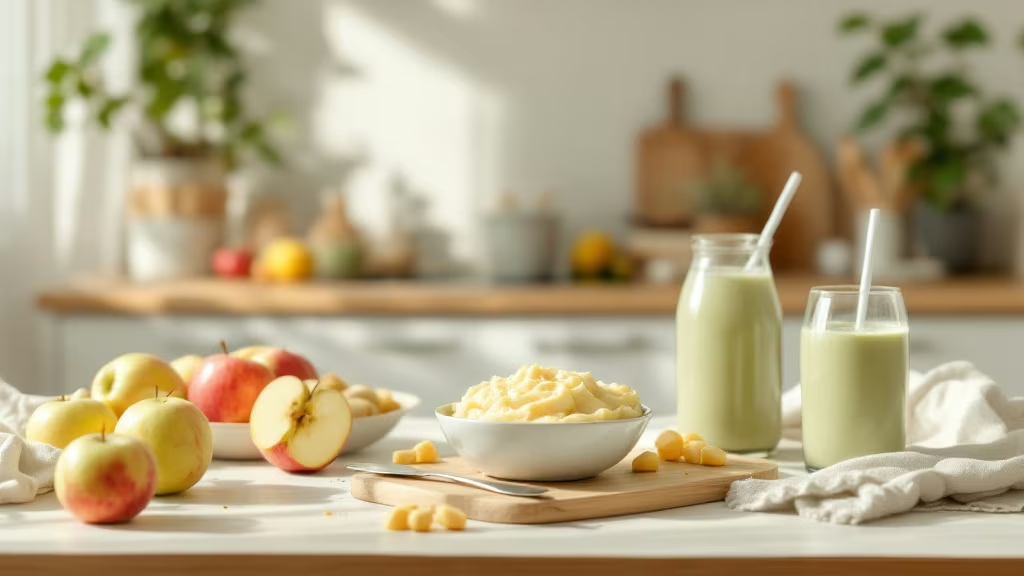
Yes, you can eat after wisdom teeth surgery, usually the same day, as long as you start soft, keep it cool, and wait for the numbness to wear off first. At Sola Dental Spa in Staten Island, Dr. Daniel Nejat, DMD, our board-certified periodontist, sends every extraction patient home with a written eating plan, because food choices in the first few days do more for comfortable healing than almost anything else. The rules are simple: nothing that needs real chewing, nothing scalding, and absolutely nothing through a straw. Wisdom tooth extractions are part of the surgical care we provide at Sola Dental Spa.
Start with soft or liquid foods the day of surgery, such as yogurt, applesauce, broth, and ice cream. Move to oatmeal, eggs, and mashed potatoes over the next few days, and work back toward a normal diet during the second week as comfort allows. Skip straws, smoking, and crunchy or spicy foods while the sockets heal.
“The question I get in the chair is always about pain, but the question that decides the week is about food. Patients who shop before surgery and stock the fridge with soft options sail through. The ones who improvise get hungry, get impatient, and test a tortilla chip on day three. Eat well and eat soft, and the sockets will thank you.”
Dr. Daniel Nejat, DMD, Board-Certified Periodontist (Diplomate, American Board of Periodontology), Sola Dental Spa
A patient from New Dorp had all four wisdom teeth removed on a Friday morning and treated the prep like meal planning for a trip. She blended soups on Thursday night, stocked yogurt and eggs, and set a reminder to skip the straw with her weekend iced coffee. By Monday she was on scrambled eggs and soft pasta, and at her follow-up she reported the whole recovery had felt more boring than painful. Boring is exactly the goal.
What can you eat on the day of surgery?
Soft and liquid foods that need little or no chewing: yogurt, applesauce, broth based soups, smoothies eaten with a spoon, and ice cream.
The American Association of Oral and Maxillofacial Surgeons recommends only soft or liquid based foods immediately after a tooth extraction, with anything swallowable with minimal chewing being ideal, and specifically suggests yogurt, applesauce, broth soups, and ice cream. Wait until the local anesthetic fully wears off before eating anything that needs biting, because a numb cheek or tongue is easy to chew by accident. Cool temperatures are your friend on day one, since heat can disturb the fresh clots and add to swelling.
When can you add heartier foods back in?
Over the next several days, as comfort allows: oatmeal, scrambled eggs, mashed potatoes, very soft pasta, and finely cut meats and fish.
The AAOMS lists oatmeal, mashed potatoes, scrambled eggs, very soft pastas, and finely cut meats and fish as semi-solid options to reintroduce as recovery progresses. Protein is the quiet hero of this stage because tissue repair depends on it, which is why eggs, fish, and blended soups with protein beat a week of plain pudding. Chew away from the extraction sites, and if food does lodge near a socket, rinse gently with warm salt water instead of poking at it. For the bigger picture of how eating fits into the healing arc, see our guide to how long wisdom teeth recovery takes.
What foods and drinks should you avoid?
Hard seeds, nuts, and popcorn, acidic fruits, carbonated drinks, sticky candies, spicy foods, and hot drinks. And nothing through a straw while the sockets heal.
The AAOMS avoid list exists because each item causes a specific problem: acidic fruits like oranges and tomatoes sting healing tissue, carbonation and heat can irritate the site, hard particles like seeds and popcorn hulls lodge in sockets, and chewy candies pull at healing gum. The straw rule is the one worth tattooing on the fridge, because suction can dislodge the blood clot that protects the socket, and losing that clot is how dry socket starts. Smoking combines suction with reduced blood flow, which is why it tops every do not list we hand out.
When can you chew normally again?
Most people work back to a mostly normal diet during the second week, saving the crunchiest foods for later, since full socket healing takes several weeks.
There is no prize for rushing. Gum tissue stays sensitive for a few weeks even after the surface looks healed, so let comfort set the pace and keep chewing away from the back corners a little longer than feels necessary. If you want the complete day by day playbook beyond the menu, our guide on speeding up healing after oral surgery covers rest, rinsing, and the rest of the routine.
| When | Good choices | Hold off on |
|---|---|---|
| Day of surgery | Yogurt, applesauce, broth, ice cream | Anything hot, chewy, or through a straw |
| Days 2 to 3 | Smoothies by spoon, blended soups, pudding | Spicy foods, carbonated drinks, alcohol |
| Days 4 to 7 | Oatmeal, eggs, mashed potatoes, soft pasta | Nuts, seeds, popcorn, crusty bread |
| Week 2 and beyond | Most normal foods as comfort allows | The crunchiest items until sockets fully close |
Frequently asked questions
Can I drink coffee after wisdom teeth removal?
Skip hot coffee for the first couple of days, since heat can disturb the healing sites. Lukewarm or iced coffee is a reasonable compromise after day one, sipped from the cup, never through a straw.
Can I have a milkshake on the way home?
Yes, and plenty of our Staten Island patients plan on exactly that. Just eat it with a spoon. The shake is fine, the straw is the problem.
I forgot and ate something crunchy. What now?
Do not panic. Rinse gently with warm salt water, check for anything lodged near the sockets, and watch for new pain over the next day. One mistake rarely causes trouble, but a pattern of them can.
What if food keeps getting stuck in the socket?
Gentle warm salt water rinses after meals are the fix, and the trapping improves as the socket closes over the first couple of weeks. Never dig at a socket with a toothpick or fingernail. If trapping comes with growing pain or a bad taste, call us.
Are protein shakes a good idea during recovery?
They are one of the best tools you have, especially in the first days when chewing is limited. Blend them thick, eat with a spoon, and you cover protein needs without stressing the surgical sites.