
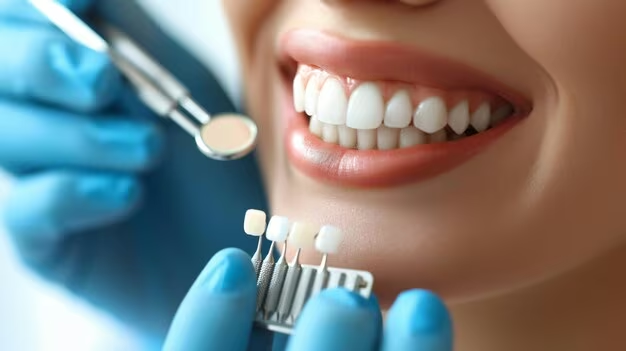
Caring for your veneers to prolong their lifespan comes down to a few steady habits: gentle daily cleaning, a tooth-friendly diet, and regular checkups. At Sola Dental Spa in Staten Island, New York, we tell veneer patients that porcelain is durable, but it still relies on healthy teeth and gums underneath to last. Well-kept veneers can serve you for a decade or more, while neglect shortens that timeline. If you are still weighing the investment, our guide on how much dental veneers cost puts the long view in context.
Treat veneers like natural teeth that need a little extra care. Brush twice a day with a non-abrasive paste, floss daily, limit staining and hard foods, wear a night guard if you grind, and keep your routine dental visits. Those steps protect both the porcelain and the tooth it is bonded to.
“Veneers do not get cavities, but the tooth underneath still can, and the gumline is where most problems start. The patients whose veneers look great after ten years are usually the ones who kept their hygiene boring and consistent. That is the whole secret.”
Dr. Anne Gershkowitz, DDS, Founder, Sola Dental Spa
Picture someone two years into a new smile who suddenly notices a veneer edge feels rough or a bit of staining at the gumline. Nine times out of ten it is not the porcelain failing. It is plaque building where the veneer meets the tooth, or an abrasive whitening paste that has dulled the polish. Small adjustments usually turn things around, which is why we like to catch these patterns early at a routine visit rather than after something chips.
How should you clean veneers day to day?
Brush twice daily with a soft-bristled brush and a non-abrasive, non-whitening toothpaste, and floss once a day. The goal is to keep the gumline clean without scratching the porcelain.
Porcelain resists stains far better than natural enamel, but the surface can still be scratched by gritty whitening pastes or hard-bristled brushes. A soft brush and a gentle fluoride paste keep the glaze smooth and bright. Flossing matters just as much, because the margin where a veneer meets your tooth is exactly where decay and gum irritation like to begin.
If you use a water flosser or an electric brush, both are fine and often help. What we steer people away from are abrasive “whitening” products and charcoal pastes, which can scuff the finish over time and will not lighten the porcelain anyway.
Does diet really affect how long veneers last?
Yes. Hard and sticky foods are the main chipping risk, and deeply pigmented drinks can stain the natural teeth and bonding edges around your veneers over the years.
Porcelain is strong, but it is not indestructible. Biting directly into ice, hard candy, raw nuts, or a crusty heel of bread puts concentrated force on the edge of a veneer, and that is where chips happen. Cutting tougher foods into smaller pieces and chewing with your back teeth takes most of that stress off the front.
Coffee, tea, red wine, and dark sodas will not stain the porcelain itself much, but they can shade the surrounding enamel and the thin bonding line, which over time makes a once-seamless smile look slightly mismatched. You do not have to give these up. Rinsing with water afterward and keeping up with cleanings goes a long way.
Do you need a night guard with veneers?
If you grind or clench, yes. A custom night guard is one of the most effective ways to protect veneers from the repeated stress that causes cracks and chips.
Nighttime grinding, called bruxism, loads the front teeth with force you never feel while awake. Over months and years that pressure is a leading cause of veneer fractures. A thin custom guard, fitted to your bite, absorbs that force and spreads it out. We can flag grinding wear during an exam, often before a patient realizes they do it.
The same logic applies to using your teeth as tools. Opening packages, biting fingernails, or chewing on pens are small habits that put veneers at real risk. Breaking those habits costs nothing and protects a meaningful investment.
Why do routine dental visits matter so much for veneers?
Checkups let us spot a loose margin, early decay on the tooth beneath, or grinding wear before any of it becomes a bigger repair. A professional polish also keeps the veneers looking fresh.
At a routine visit we look at the health of the tooth under each veneer, the condition of your gums, and the bonding edges. Catching a small issue early usually means a minor fix instead of replacing a veneer. We can also gently polish the porcelain and address any staining on the surrounding enamel.
These appointments are also a comfortable touchpoint. Patients who feel relaxed in the chair tend to keep their visits, which is part of why we offer touches like a warm lavender paraffin hand treatment and noise-canceling headphones during care. If you want to know more about what the procedure itself feels like, see our note on whether porcelain veneers hurt.
Frequently asked questions
Can I whiten my veneers if they look dull?
No, porcelain does not respond to whitening products the way natural enamel does, so bleaching will not change its shade. If a veneer looks dull, the cause is usually surface staining or a worn polish, both of which we can address at a routine visit. Whitening the rest of your teeth before getting veneers is the usual approach so everything is matched from the start.
How long do well-maintained porcelain veneers last?
With consistent care, porcelain veneers commonly last around ten years or more, though the exact lifespan depends on your habits, your bite, and the health of the teeth underneath. Daily hygiene, a night guard if you grind, and regular checkups are the factors most within your control.
Is it safe to use an electric toothbrush on veneers?
Yes, electric brushes are fine and often clean the gumline more effectively. Just pair it with a soft brush head and a non-abrasive toothpaste, and let the brush do the work rather than pressing hard against the porcelain.
What should I do if a veneer chips or feels loose?
Call us and avoid chewing on that side in the meantime. A chipped or loose veneer is usually repairable or replaceable, and acting promptly protects the tooth underneath from sensitivity or decay. Trying to fix or remove it yourself can damage the natural tooth, so leave it to your dentist.
Do veneers still need flossing if porcelain cannot decay?
Absolutely. The porcelain itself will not decay, but the natural tooth it is bonded to can, and your gums need clean margins to stay healthy. Flossing where the veneer meets the tooth is one of the most important habits for making veneers last.