
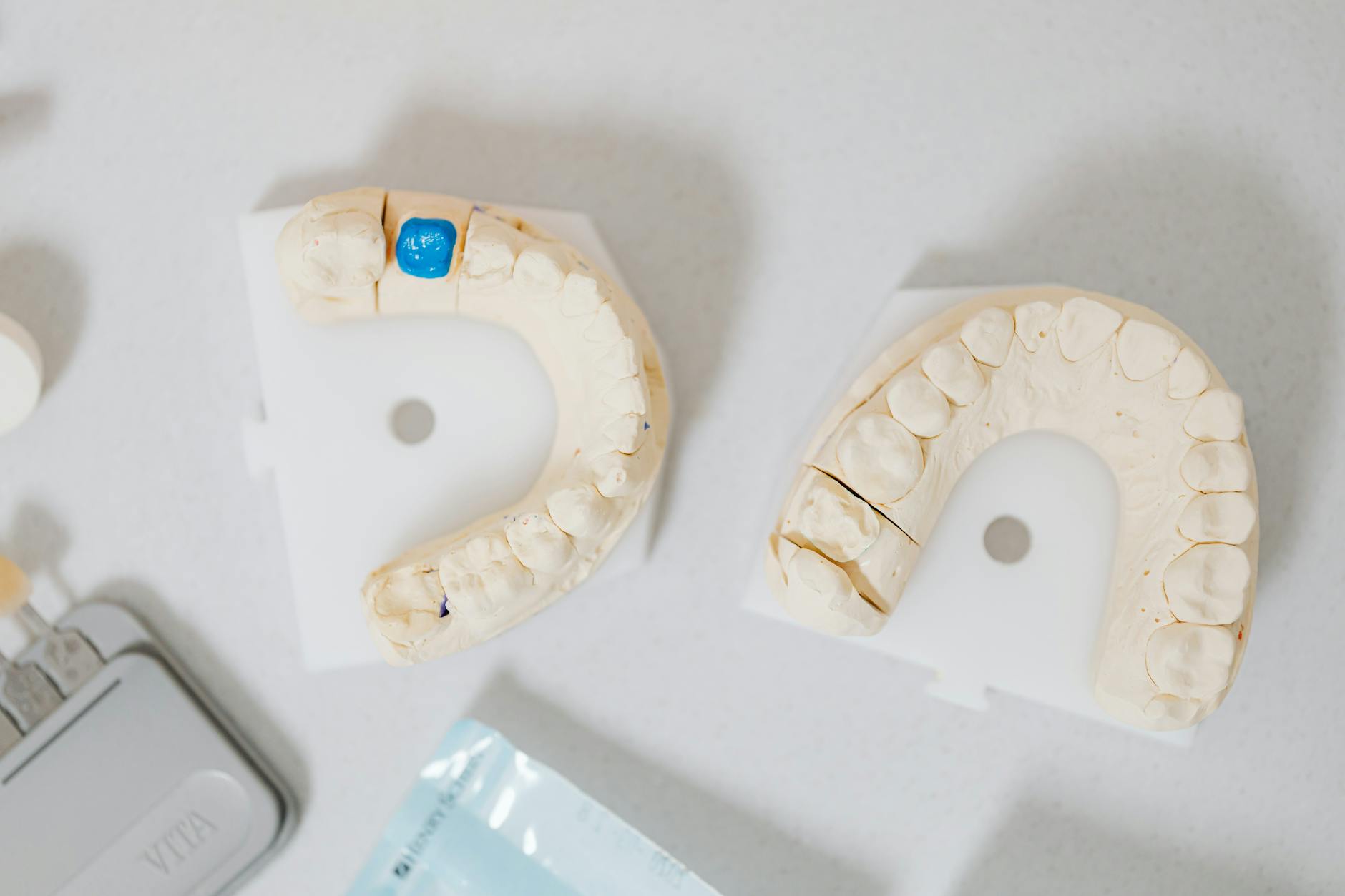
Dental implant success rates consistently exceed 95 percent at ten years for healthy patients, and most implants remain functional for 20 years or longer with proper maintenance. The factors that most affect long-term outcomes are jawbone quality, systemic health, smoking status, and the skill of the clinician placing the implant. At Sola Dental Spa in Staten Island, our board-certified periodontist evaluates each of these factors before recommending implant treatment so the plan matches your actual healing profile.
"The number patients remember is the headline success rate, but the outcome that actually matters is what happens in their mouth for the next twenty years. Bone quality and smoking status tell me more about long-term success than almost anything else I assess before placing an implant."
Dr. Daniel Nejat, DMD, Board-Certified Periodontist (Diplomate, American Board of Periodontology), Sola Dental Spa
What does "success rate" actually mean?
In implant literature, survival rate and success rate are distinct measures. Survival rate tracks whether the implant is still in place. Success rate applies stricter criteria: absence of pain, no radiographic bone loss beyond the first year of loading, no infection, and stable soft tissue. Success rates are consistently a bit lower than survival rates, but both measures confirm implants as the most durable tooth replacement option available.
What factors affect implant success?
Jawbone quality and density
Osseointegration, the fusion of the titanium post with living bone, is the foundation of implant success. Dense cortical bone in the lower jaw produces higher success rates than the less dense bone of the upper back jaw. Patients with insufficient bone volume require grafting before placement. 3D cone-beam imaging allows precise pre-surgical assessment of bone dimensions.
How do these factors compare?
| Factor | Effect on success | What helps |
|---|---|---|
| Dense mandibular (lower jaw) bone | Highest success rates | Often no grafting needed |
| Posterior maxilla (upper back jaw) | Lower baseline density | Sinus lift often needed |
| Smoking | Most consistent behavioral risk factor | Cessation 3 months before and through healing |
| Uncontrolled diabetes | Impairs healing, raises infection risk | Medical coordination before placement |
| History of periodontitis | Higher risk of peri-implantitis | More frequent maintenance visits |
Smoking is the most consistently identified behavioral risk factor for implant failure. Nicotine impairs blood flow to healing tissue, slows osseointegration, and significantly increases the risk of peri-implantitis, infection around the implant post that causes progressive bone loss. Patients are counseled to stop smoking at least three months before placement and to maintain that through the healing period.
Uncontrolled diabetes impairs healing and increases infection risk. Osteoporosis, particularly in patients taking bisphosphonate medications, requires careful pre-surgical assessment. Most controlled systemic conditions do not disqualify patients from receiving implants but require documentation and coordination with the patient's physician. Patients with a history of periodontitis also have higher rates of peri-implantitis and should be evaluated for bacterial susceptibility before proceeding with implant placement.
What makes someone a good candidate for an implant?
Good candidates generally have healthy gums, enough jawbone to support the implant post, and no uncontrolled systemic condition that would slow healing. Age alone is not a barrier. Teenagers whose jaws are still growing are usually asked to wait, and older adults with good bone health and controlled medical conditions are routinely good candidates. A CBCT scan and a review of your medical history before treatment answers most of this question directly rather than leaving it to guesswork.
How should implants be maintained long term?
Implant maintenance parallels natural tooth care. Brush twice daily, floss around the crown margin, and attend professional cleanings every six months. Patients with periodontal history typically need three to four maintenance visits per year. Radiographic assessment of bone levels is performed at clinician-recommended intervals, and early detection of peri-implant bone changes allows intervention before failure occurs.
- Professional cleaning: every 6 months, or every 3 to 4 months for periodontal patients.
- Radiographic assessment: annually or as directed.
- Implant mobility check: at every cleaning visit.
- Soft tissue evaluation: at every cleaning visit.
To learn whether implants are a fit for your case, see our dental implants page for candidacy details and what treatment involves.
Frequently asked questions
What is a realistic implant success rate to expect?
Above 95 percent at ten years for healthy patients with adequate bone volume and no uncontrolled systemic risk factors. Individual risk factors like smoking or uncontrolled diabetes lower that number.
Can implants fail years after placement?
Yes. Peri-implantitis, an infection around the implant that causes progressive bone loss, can develop years after a successful placement, which is why ongoing maintenance and monitoring matter as much as the surgery itself.
Does smoking really affect the outcome that much?
Yes, it is the most consistently identified behavioral risk factor for implant failure. Nicotine slows healing and raises infection risk, so quitting before and during healing meaningfully improves the odds of success.
Do I need a bone graft before I can get an implant?
Only if imaging shows insufficient bone volume at the planned site. Many patients have adequate bone and do not need grafting, and 3D imaging determines this before any surgery is scheduled.
How often should I see the dentist after getting an implant?
Every six months for most patients, or every three to four months if you have a history of gum disease. Regular checks catch early bone changes before they become a bigger problem, and consistent maintenance is one of the strongest predictors of whether an implant lasts twenty years or needs earlier attention.
Sources: MouthHealthy (ADA), Implants