

Veneers and implants cost more when they are made and placed well, because material quality and the skill of the dentist or lab technician directly affect how long the results last. A cheaper price often means lower-grade materials or a less experienced hand, and that tends to show up later as redone work. Here is what actually drives the cost of each treatment.
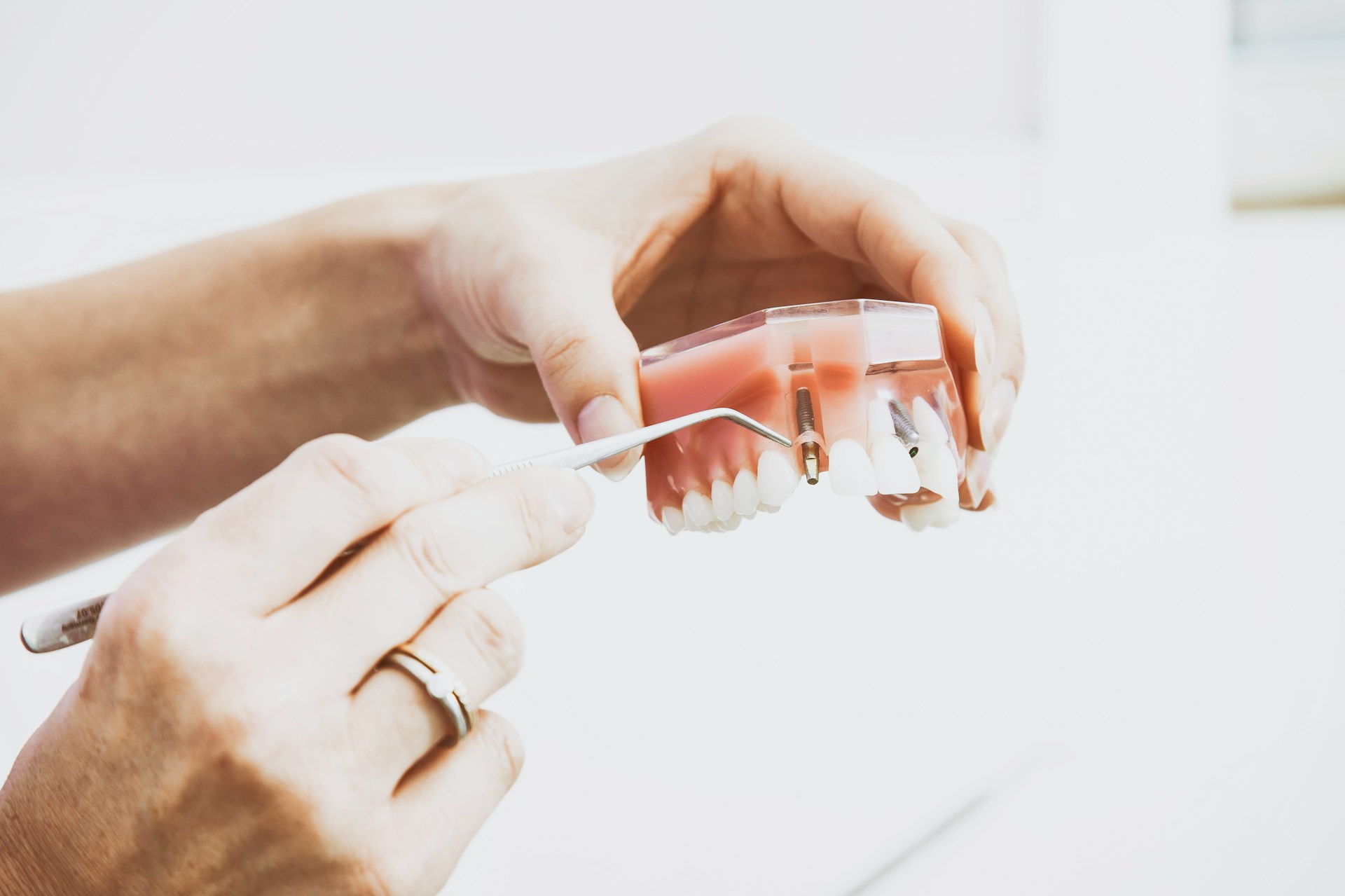
What Drives the Cost of Veneers
Material Quality
Porcelain veneers cost more up front, but they commonly last 10 to 15 years with good care, sometimes longer. Composite veneers cost less and can look great, but they typically need replacing sooner, often within 5 to 7 years. The price difference usually tracks with how long the material holds up.
Craftsmanship
A skilled lab technician hand matches the color, shape, and translucency of your veneers to your natural teeth. That precision is part of why some veneers look seamless and others look obviously fake, and it is a real driver of cost.
.png)
What Drives the Cost of Dental Implants
Dental implants are a surgical procedure, not a DIY job, which is why experience matters so much. At Sola Dental Spa, implants are placed by Dr. Daniel Nejat, a board-certified periodontist.
Precise Placement
Where and how an implant is placed affects how well it fuses with your jawbone and how long it lasts. Experienced clinicians plan placement around your bone density and bite, not a one-size-fits-all approach.
A Plan Built Around Your Mouth
No two mouths are the same, so a good implant plan accounts for your bone structure, gum health, and the position of neighboring teeth rather than following a generic template.
Aftercare Matters
The work is not done once the implant is placed. Following your dental team's aftercare guidance, good oral hygiene, regular checkups, and avoiding excess stress on the implant, protects your investment over the years.
Why Quality Costs More Up Front
Higher upfront cost usually reflects better materials, a more experienced dentist, and a lab that takes the time to get the details right. It can feel like a bigger hit at the time, but implants and well-made veneers are meant to last for years, which often makes them the better value over the long run compared to redoing cheaper work.
A smile you feel good about affects more than how you look in photos. Many patients say it changes how they show up in everyday conversations and social situations, which is part of why quality work is worth the investment.
Choosing Between Veneers and Implants
Veneers are a cosmetic fix, best for chips, gaps, discoloration, or teeth that are otherwise healthy but do not look the way you want. Sola Dental Spa's cosmetic team, led by Dr. Anne Gershkowitz, handles veneer cases. Implants solve a different problem, replacing a missing tooth root and crown entirely, and that is where Dr. Nejat's periodontal expertise comes in. Which one fits your situation depends on what your teeth actually need, not just what you would prefer to spend.
Why do veneers cost so much more at some practices?
Material choice, lab craftsmanship, and the dentist's experience all factor in. Porcelain and skilled hand matching cost more than composite and a quick fit, but they tend to last longer and look more natural.
How long do porcelain veneers really last?
Typically 10 to 15 years with good care. Composite veneers usually need replacing sooner, around 5 to 7 years.
What makes dental implants successful long-term?
Precise placement, a treatment plan built around your specific bone structure and bite, and consistent aftercare afterward.
Is a more expensive implant always better?
Not automatically, but cost should reflect real factors like the dentist's experience and material quality. Ask directly about your provider's implant experience before comparing prices.
Who places implants at Sola Dental Spa?
Dr. Daniel Nejat, a board-certified periodontist, handles implant placement.
Sources: American Dental Association, American Academy of Implant Dentistry.