
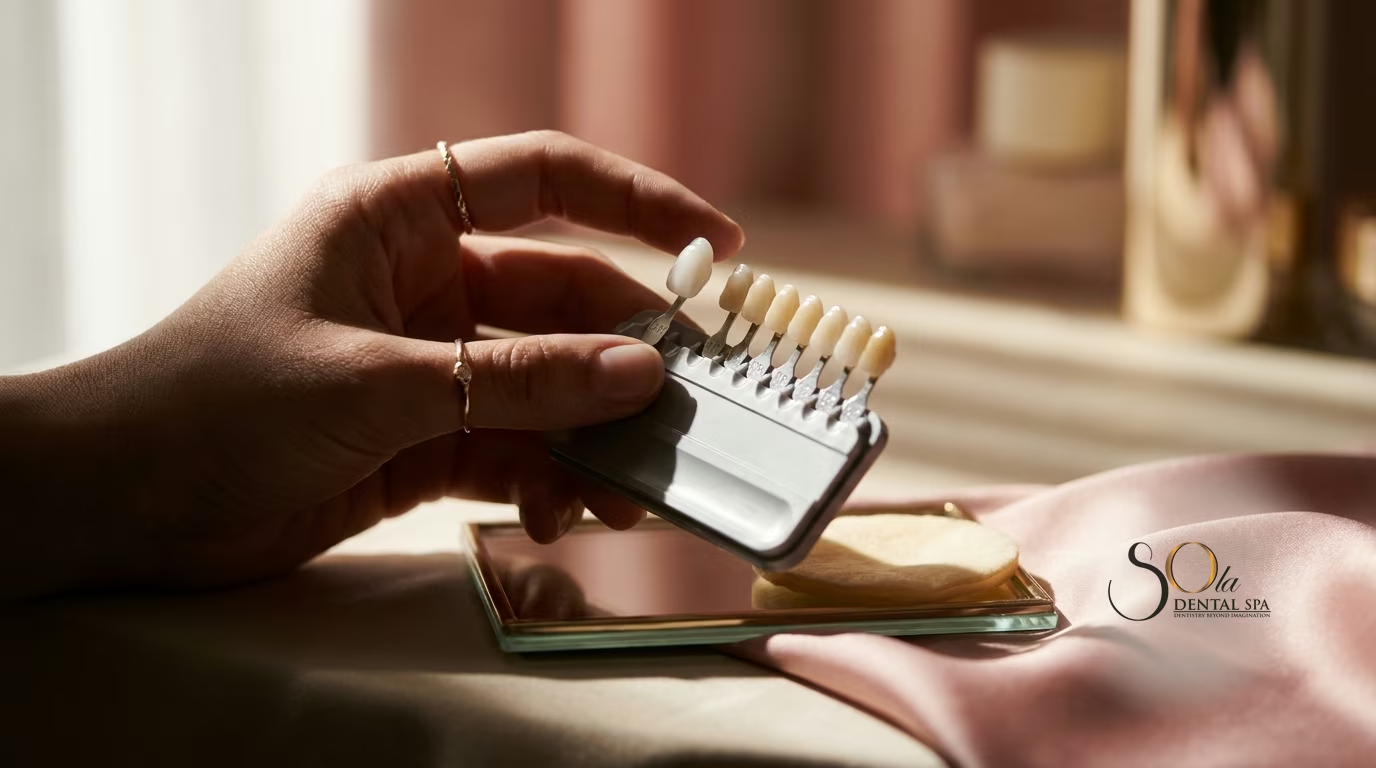
Yes, dental veneers can affect tooth sensitivity, but for most people the effect is mild and temporary, usually a short-lived reaction to hot and cold that fades within a couple of weeks. At Sola Dental Spa in Staten Island, New York, Dr. Anne Gershkowitz plans veneer treatment to keep enamel reshaping conservative, which helps limit how much sensitivity you notice. A small amount of sensitivity after placement is a normal part of the adjustment, not a sign that something is wrong. If you are still in the planning stage and weighing the procedure, our guide on how much dental veneers cost can help you think through the decision.
Veneers can cause temporary sensitivity because a thin layer of enamel is reshaped during placement. The feeling is usually limited to hot and cold, tends to settle within about two weeks, and can be managed with simple steps at home.
“A little sensitivity in the first week or two is common, and it usually comes from the enamel adjustment we make so the veneer bonds well. I tell patients to expect it, not fear it. If it lingers well past that window, that is our cue to take a look, because long-term sensitivity is not something you should just live with.”
Dr. Anne Gershkowitz, DDS, Founder, Sola Dental Spa
One patient mentioned that for the first several days after her veneers, sipping iced coffee gave her a quick zing across her front teeth. She switched to room-temperature drinks and a desensitizing toothpaste, and within two weeks the sensitivity had faded and her morning coffee was back on the menu. That pattern, a brief adjustment followed by relief, is what most people experience.
Why do veneers cause sensitivity in the first place?
During placement, a small amount of enamel is reshaped and etched so the veneer bonds securely. This can briefly expose the dentin underneath, which is the layer that responds to temperature, leading to short-term sensitivity.
Enamel is the hard outer surface of the tooth, and dentin is the more sensitive layer beneath it. When a tooth is prepared for a veneer, the surface is lightly reshaped and etched to create a good bonding surface. That process can make the dentin slightly more reactive for a short time, which is why hot and cold sensations may feel sharper than usual right after the procedure.
This is also why conservative preparation matters. The less enamel that needs to be reshaped, the less sensitivity you are likely to notice. No-prep and minimal-prep approaches are designed around this idea, and your dentist will recommend the most conservative option that still fits your goals.
How long does veneer sensitivity last?
For most people, sensitivity to hot and cold fades within about two weeks as the tooth settles. Sensitivity that lasts well beyond that window is worth a call to your dentist.
The typical timeline is short. Many patients notice the most sensitivity in the first few days, with a steady improvement over the following week or two. By the end of that adjustment period, normal eating and drinking usually feel comfortable again.
If discomfort lingers longer than a couple of weeks, becomes a throbbing pain, or keeps returning, that is a signal to check in. Persistent sensitivity can point to a fit issue or exposed dentin that your dentist should evaluate, so it is not something to wait out indefinitely.
How can I manage sensitivity after getting veneers?
Use a desensitizing toothpaste, favor room-temperature foods and drinks for a couple of weeks, brush gently with a soft brush, and rinse with warm salt water if your gums feel irritated.
Most post-veneer sensitivity responds well to simple, at-home steps. A desensitizing toothpaste used consistently can quiet the nerve response over time. Choosing room-temperature drinks and softer foods for the first couple of weeks reduces the temperature swings that trigger discomfort, and a warm salt water rinse can soothe gums that feel tender around the new veneers.
If you tend to grind your teeth at night, a nightguard can take pressure off both your veneers and your natural teeth, which helps with sensitivity and protects your investment. Over-the-counter pain relievers can ease occasional discomfort, and your dentist can suggest the right options for you.
Are some people more likely to have sensitivity?
People with thinner enamel, existing sensitivity, gum recession, or habits like teeth grinding may notice more pronounced sensitivity. A thorough exam beforehand helps your dentist plan around these factors.
Sensitivity is not the same for everyone. Thinner enamel, existing dentin hypersensitivity, gum recession, and grinding can all make a tooth more reactive. Diet plays a role too, since frequent hot, cold, sweet, or acidic foods can heighten sensitivity in general.
This is why the planning visit matters. By reviewing your enamel, gum health, bite, and habits before any work begins, your dentist can choose the most conservative approach and set realistic expectations. If you are also curious about comfort during the procedure itself, our article on whether porcelain veneers hurt walks through what to expect.
Does sensitivity mean something is wrong with my veneers?
Usually not. Short-term sensitivity is a normal part of healing. Sensitivity that is severe, throbbing, or lasts well beyond a couple of weeks is the kind worth having evaluated.
A short stretch of sensitivity after placement is expected and rarely a cause for concern. It is the tooth settling in after the bonding process. The vast majority of patients move past it without any special treatment beyond the simple steps above.
The exceptions are worth knowing. Chronic sensitivity that exceeds the normal adjustment period can signal a poorly fitting veneer or exposed dentin, and ongoing discomfort should always be reported so your dentist can look closer. Staying on top of brushing, flossing, and regular checkups also protects the natural tooth beneath each veneer, which keeps sensitivity and other issues in check.
Frequently asked questions
Is it normal for my teeth to feel sensitive right after veneers?
Yes. Mild sensitivity to hot and cold in the first days or weeks is a normal part of the adjustment after enamel is reshaped for bonding. For most people it fades within about two weeks.
What can I eat if my teeth are sensitive after veneers?
Favor room-temperature drinks and softer foods for the first couple of weeks, and ease off very hot or very cold items. As the sensitivity settles, you can return to your normal diet.
Will desensitizing toothpaste actually help?
For many people it does. Used consistently, a desensitizing toothpaste can reduce how strongly the tooth reacts to temperature over time. Your dentist can recommend a product that fits your situation.
What if the sensitivity does not go away?
Sensitivity that lasts well past two weeks, throbs, or keeps returning is worth a call. It can indicate a fit issue or exposed dentin that your dentist should evaluate rather than something you need to tolerate.
Can I prevent sensitivity before getting veneers?
A thorough exam helps. By reviewing your enamel, gums, bite, and habits beforehand, your dentist can choose a conservative approach and plan around factors that tend to increase sensitivity. A consultation at Sola Dental Spa in Staten Island is the best place to start.