
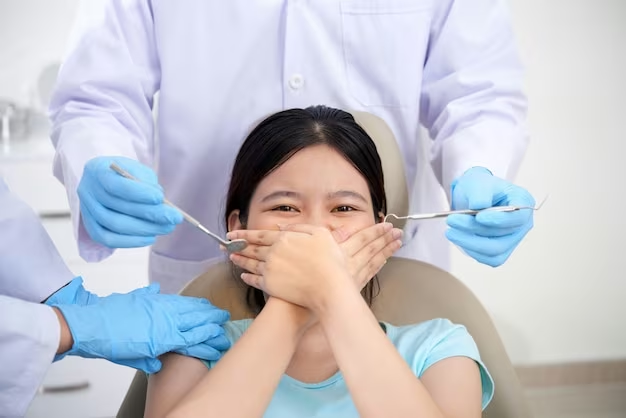
Cosmetic dentistry is generally not painful. Most procedures use local anesthesia, sedation options, or are minimally invasive to begin with, and any soreness afterward is typically mild and resolves within a few days. At Sola Dental Spa in Staten Island, comfort is part of the plan for every cosmetic procedure, from teeth whitening to veneers.
Why Cosmetic Dentistry Does Not Have to Hurt
Pain management is built into cosmetic dental care from the start. Depending on the procedure, your dentist may use:
- Local anesthesia to numb the treatment area for procedures like veneers or bonding
- Nitrous oxide (laughing gas) for patients who feel anxious, with effects that wear off quickly
- Oral or IV sedation for longer or more involved procedures
Many popular cosmetic treatments, such as teeth whitening, are not invasive at all and involve little to no discomfort during the procedure itself.
Common Cosmetic Procedures and What to Expect
| Procedure | During the Procedure | Afterward |
|---|---|---|
| Teeth whitening | Minimal to no discomfort | Temporary sensitivity to hot or cold is possible |
| Bonding | Little to no anesthesia usually needed | Minimal soreness, if any |
| Veneers | Local anesthesia during preparation | Mild sensitivity for a few days |
| Gum contouring | Local anesthesia | Mild soreness while the gum tissue heals |
More involved procedures generally come with a short window of mild sensitivity rather than significant pain, and that discomfort is manageable with over-the-counter pain relievers in most cases.
Are You a Good Candidate for Cosmetic Dentistry?
Not every cosmetic concern can be addressed right away. If you have active cavities, gum disease, or other underlying issues, those typically need to be treated first so your cosmetic results last. A consultation is the best way to find out which procedures make sense for your mouth and your goals, and to talk through comfort options ahead of time.
Managing Dental Anxiety Beyond Sedation
Fear of pain is not always about the procedure itself. Many patients carry anxiety from past dental experiences, and that anxiety can make a routine visit feel more stressful than it needs to be. Alongside anesthesia and sedation options, a few things can make a real difference:
- Asking your dentist to walk through each step before it happens, so there are no surprises
- Agreeing on a signal, like raising a hand, if you need a pause during the procedure
- Scheduling procedures at a time of day when you are less rushed and less stressed
- Bringing headphones or a playlist to help you relax in the chair
Our team at Sola Dental Spa takes the time to explain each cosmetic procedure in plain language before treatment begins, since patients who know what to expect consistently report a more comfortable experience.
“Patients often come in expecting cosmetic work to be uncomfortable, and that fear alone can be the hardest part. Once we walk through exactly what to expect, whether that is numbing for veneers or simply sitting back for a whitening treatment, most of that anxiety goes away.”
Dr. Anne Gershkowitz, DDS, Founder, Sola Dental Spa
Recovery and Aftercare
Recovery depends on the procedure. Whitening and bonding typically allow patients to return to normal activities the same day, with little to no downtime. Veneers and gum contouring may involve a few days of mild sensitivity or tenderness while tissue settles.
A few general aftercare habits help any cosmetic procedure heal comfortably:
- Use over-the-counter pain relievers as needed for mild soreness
- Avoid very hot or cold foods if teeth feel sensitive
- Keep up with regular brushing and flossing
- Attend any follow-up appointments your dentist recommends
What to Ask During a Cosmetic Consultation
A consultation is the best time to raise any concerns about comfort before treatment day. Patients often find it helpful to ask specifically what anesthesia or sedation options apply to their procedure, how long numbness typically lasts afterward, and what pain relief is recommended once you get home. Knowing the plan in advance tends to lower anxiety more than any single comfort measure on its own.
It is also worth mentioning any past negative experiences with dental work, since your dentist can often adjust the approach, from the pace of the appointment to the specific sedation option offered, based on that history.
Frequently asked questions
Is teeth whitening painful?
Whitening itself is not painful, though some patients notice temporary tooth sensitivity for a day or two afterward, especially with stronger in-office treatments.
Do veneers require needles or numbing?
Local anesthesia is often used while the teeth are prepared for veneers, so the process itself is comfortable. Some mild sensitivity is common for a few days as you adjust to the new veneers.
How long does discomfort last after a cosmetic procedure?
For most procedures, any soreness or sensitivity fades within a few days. More involved treatments may take slightly longer, and your dentist will let you know what to expect for your specific procedure.
Is cosmetic dentistry covered by insurance?
Most dental insurance plans do not cover procedures considered purely cosmetic, since they are not classified as medically necessary. Our team can help you understand financing options during a consultation.
Do I need healthy teeth and gums before getting cosmetic work done?
Generally, yes. Underlying issues like cavities or gum disease should be treated first so your cosmetic results hold up over time.
Cosmetic dentistry is designed to be a comfortable process from start to finish. If concern about pain has kept you from asking about a smile you want, our team at Sola Dental Spa in Staten Island is happy to walk you through what to expect.
Schedule a cosmetic consultation to discuss your options.