
Getting porcelain veneers does not hurt: the tooth preparation is done under local anesthetic, and most patients feel only pressure or mild vibration, not pain. Any sensitivity afterward is typically minor and fades within a week or two. At Sola Dental Spa in Staten Island, that question comes up in nearly every veneer consultation, and it is worth answering plainly before you commit to treatment.
What Veneers Actually Are
Porcelain veneers are thin custom shells bonded to the front of your teeth to correct stains, chips, gaps, and minor misalignment. Each one is designed to fit a specific tooth, which is why the result blends in rather than looking like a cap. With good care, veneers typically last 10 to 15 years.
The Consultation
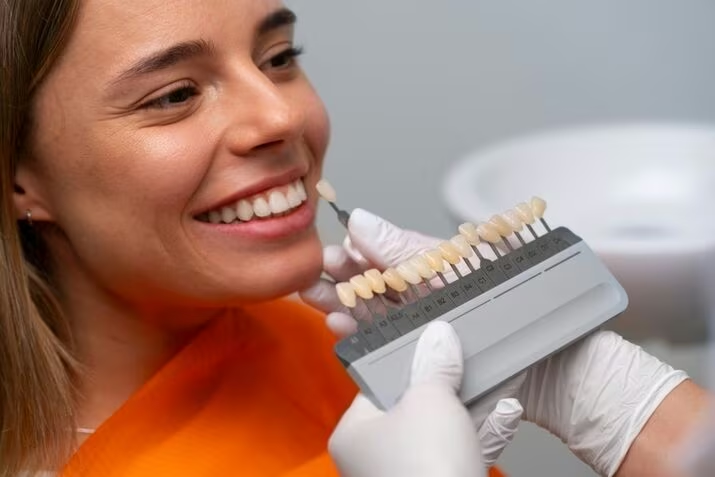
Nothing touches your teeth at the first visit. You and your dentist discuss the shape and color you want, and impressions or a 3D scan are taken to design veneers that suit your face. This planning stage is where the final result is really decided.
Tooth Preparation: Will I Feel It?
To make room for the veneer, your dentist removes a thin layer of enamel, a fraction of a millimeter, from the front of each tooth. You are given a local anesthetic before this step, so what you feel is pressure or vibration, not pain. Temporary veneers protect the prepared teeth while your permanent set is fabricated.
“Patients are almost always more nervous about the preparation step than they need to be. With anesthetic on board, what people actually describe afterward is pressure, not pain. The mild sensitivity some patients notice for a week or two after bonding is a normal adjustment, not a sign anything went wrong.”
Dr. Anne Gershkowitz, DDS, Founder, Sola Dental Spa
The Fitting
At your final appointment, your dentist checks the fit, adjusts the shade if needed, and bonds the permanent veneers in place. Some patients notice mild sensitivity to hot or cold in the following days, which typically resolves within one to two weeks as the teeth settle.
Recovery and Aftercare
You can eat and drink normally almost right away, though it helps to avoid very sticky or hard foods for the first couple of days while everything settles. If you grind your teeth at night, a night guard protects the new veneers. Brushing, flossing, and routine checkups continue as before.
Frequently asked questions
Is anesthesia used for veneer preparation?
Yes, a local anesthetic numbs the area before any enamel is removed.
How long does veneer sensitivity last?
Mild sensitivity to hot or cold, when it happens, usually fades within one to two weeks.
How many appointments does the process take?
Veneer treatment is planned over a consultation, a preparation appointment, and a final fitting once the permanent veneers are ready.
Will my bite feel different afterward?
Some patients notice a slightly different bite feel at first, especially with multiple veneers placed at once. This usually settles on its own, and your dentist can make small adjustments if it doesn't.
How long do porcelain veneers last?
With good care, most patients get 10 to 15 years out of a set of porcelain veneers before they need replacement.
Sources: MouthHealthy, Veneers.
If you are exploring veneers, book a consultation with Sola Dental Spa in Staten Island, or browse real patient results in our smile gallery. Related reading: Do Porcelain Veneers Hurt? An Honest Answer.