
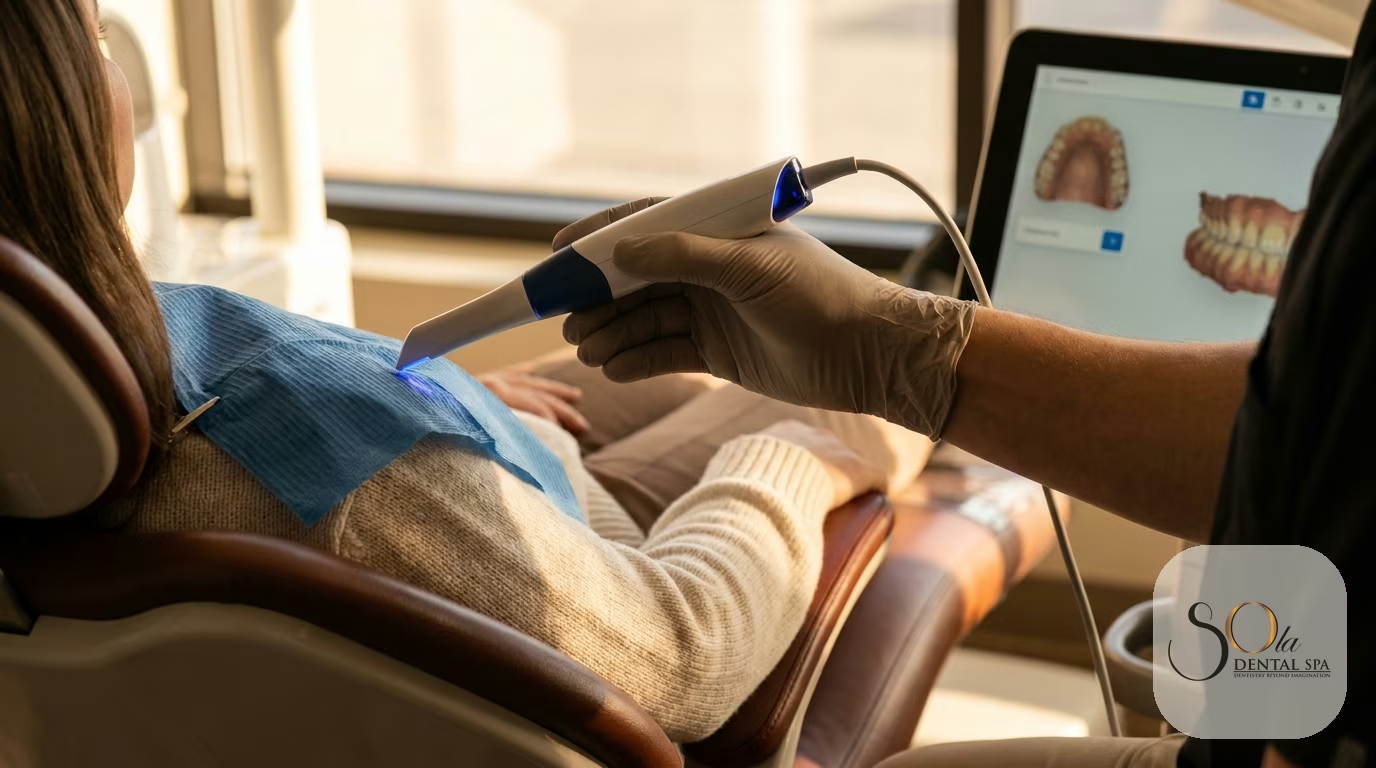
The biggest innovations in cosmetic dentistry technology are digital intraoral scanning, 3D imaging, computer milled ceramics, laser soft tissue work, and digital smile design, and together they have replaced guesswork with planning you can see. At Sola Dental Spa in Staten Island, Dr. Anne Gershkowitz, DDS has built the practice around this digital workflow for veneers, crowns, and full smile makeovers. The practical difference for patients is fewer surprises: restorations that fit the first time, gum contouring that heals faster, and a preview of the end result before any tooth is touched. If you are considering a full transformation, this technology is the backbone of the Hollywood Smile experience.
Modern cosmetic dentistry runs on digital tools: scanners instead of impression trays, 3D design software instead of wax models, lasers instead of scalpels for gum work, and photographic smile design instead of imagination. The result is more precise dentistry and a plan you can evaluate before committing.
“The technology I would never give up is the intraoral scanner. A digital scan captures the tooth surface in a level of detail an impression tray never matched, and the laboratory receives it the same day. When your veneers are designed on data that accurate, the fit at the bonding visit is a formality rather than a negotiation.”
Dr. Anne Gershkowitz, DDS, Founder, Sola Dental Spa
A patient from Annadale came to us after a consultation elsewhere where the plan was described entirely in words. We photographed her smile, scanned her teeth, and showed her a digital mockup of her proposed veneers on a screen, side by side with her current smile. She changed the shape of the two lateral incisors in the design before we ever prepared a tooth. That conversation is the real innovation: the patient edits the plan, not the result.
How has digital scanning replaced impressions?
An intraoral scanner builds a 3D model of your teeth from thousands of images in minutes, with no trays and no impression material, and the file goes straight to the design software or laboratory.
Traditional impressions required a tray of setting material held in the mouth, and small distortions were common enough that remakes were part of the routine. A digital scan eliminates the material step entirely. The model is instantly available on screen, can be enlarged to examine margins, and can be re-captured in seconds if an area needs another pass. For patients with a strong gag reflex, the difference in comfort alone is significant. The American Dental Association notes that scanners producing 3D computer models are now a standard alternative to impressions for veneer fabrication.
What do 3D design and milled ceramics change for veneers and crowns?
Restorations are now designed as 3D files and manufactured by precision mills or printers, which means tighter margins, better bite matching, and ceramics engineered for the exact thickness the case needs.
Design software lets the dentist and laboratory shape a restoration against a full digital model of your bite, checking clearance and contact points before anything is manufactured. Modern ceramic blocks are then milled to that design with a precision that hand layering alone could not guarantee. The materials have advanced alongside the machines: pressed and milled ceramics like lithium disilicate combine strength with the translucency that makes a veneer read as enamel rather than as a cap. For a look at how these restorations come together in a full plan, see our overview of what a smile makeover involves.
Is laser dentistry actually better for gum work?
For soft tissue procedures like recontouring an uneven gumline, a laser cauterizes as it works, which generally means less bleeding, no sutures for minor cases, and faster healing than a scalpel.
Gum symmetry is one of the quiet factors that decides whether a cosmetic case looks natural. A laser lets the dentist sculpt the gumline in fractions of a millimeter with immediate visual feedback, and because the beam seals tissue as it moves, most patients are surprised by how uneventful the healing is. In cosmetic dentistry the laser is most often used to balance a gummy smile or to even the frame around new veneers, and it is the tool that turned gum recontouring from a referral procedure into a routine part of smile design.
How does digital smile design let you preview the result?
Digital smile design combines your photographs and scan into a proposed design you can see and adjust, and that design can be transferred to a trial mockup on your actual teeth.
The design process starts with calibrated photographs of your face and smile, not just the teeth, because proportions that flatter one face look wrong on another. The proposed tooth shapes are drawn against your lip line and facial midline, then reviewed with you on screen. For many cases we can transfer the design to a temporary mockup you can wear and evaluate in daylight before committing. Our article on your first cosmetic dentist visit walks through how that appointment flows.
| Step | Traditional workflow | Digital workflow |
|---|---|---|
| Records | Impression trays and stone models | Intraoral scan, 3D model on screen |
| Design | Wax up shaped by hand | Software design against full bite data |
| Preview | Described in words | On screen mockup, trial smile available |
| Fabrication | Hand layered, fit adjusted at seat | Milled or printed to the design file |
Frequently asked questions
Does the digital scan hurt or trigger gagging?
No. The scanner is a small camera wand that never needs to press into the palate, which is why patients who dreaded impression trays tend to love it.
Can I really see my new smile before treatment starts?
Yes. Digital smile design produces an on screen preview, and for most veneer cases we can place a trial mockup over your teeth so you can see the design in your own mirror at home in Staten Island light, not just under office lamps.
Is laser gum contouring painful afterward?
Most patients describe a day or two of mild tenderness. Because the laser seals as it sculpts, bleeding is minimal and sutures are usually unnecessary for cosmetic recontouring.
Does technology replace the dentist’s judgment?
No. The scanner measures and the software draws, but deciding tooth proportion, shade, and how a smile fits a face is still design judgment. Technology makes that judgment testable before treatment.
Is a digitally designed veneer more expensive?
Fees at Sola Dental Spa are case specific and shared during consultation. The digital workflow is our standard of care rather than an upgrade, so it is built into how every cosmetic case is planned.