Dentists are trained to handle dental anxiety through behavioral science coursework in dental school, communication protocols like tell-show-do, structured stop signals, and postgraduate certification in sedation. At Sola Dental Spa in Staten Island, Dr. Anne Gershkowitz, DDS built the entire practice model around that training, because a technique only helps if the office is designed to use it. Dental fear is one of the most common things patients bring through our doors, and the profession has spent decades building answers. Here is what that training actually looks like, and how it shows up in a visit at Sola Dental Spa.
Dental education covers recognizing anxiety, communication frameworks, relaxation coaching, and pharmacologic options from nitrous oxide to oral sedation, each requiring specific certification. A well run practice layers those skills with environment and pacing so nervous patients are managed by design, not improvisation.
“The most useful thing I learned about anxious patients is that control matters more than courage. I do not need a patient to be brave; I need them to know they can stop me with one raised hand, at any moment, and that I will actually stop. Once someone trusts the stop signal, the fear loses most of its grip, and the appointment becomes ordinary.”
Dr. Anne Gershkowitz, DDS, Founder, Sola Dental Spa
One of our longtime patients, a nurse from Grasmere, avoided dentists for nine years after a rough extraction in her twenties. Her first appointment with us was a conversation in the consultation room, fully dressed, no chair, no instruments. The second was an exam with a hand signal agreement and headphones. By the third visit she had a cleaning without sedation, by choice. Nothing about that sequence was improvised; it is a desensitization structure the profession teaches, applied patiently.
What do dentists learn about anxiety in dental school?
Dental curricula include behavioral science: recognizing anxiety signals, communication techniques, and management frameworks, with growing emphasis in recent years.
Every accredited dental program in the United States teaches patient management alongside clinical technique, covering how to spot anxiety a patient has not voiced, how to take a fear history, and how to adapt treatment pacing. Some schools bring in psychologists to teach coping tools like guided imagery and progressive muscle relaxation. The depth varies by program, which is honestly why patient experience varies so much between offices. The framework exists; the difference is how seriously an individual practice operationalizes it after graduation, through continuing education and office systems.
What techniques do trained dentists use chairside?
Tell-show-do explanations, agreed stop signals, distraction, breathing pacing, and appointment structures that start small and build trust before bigger procedures.
Tell-show-do means the dentist explains what will happen, demonstrates it on a hand or model, then performs it, removing the fear of surprise. Stop signals hand control back to the patient. Distraction and mindfulness have institutional backing too: the American Dental Association recommends patients speak up about fear, use headphones, and practice counted breathing during visits, and a trained team actively invites all three rather than waiting to be asked. Scheduling matters as well; anxious patients do better in morning slots with nothing to dread all day, and with shorter first appointments that end on success.
How does sedation dentistry fit into the training?
Sedation is regulated and credentialed in tiers, from nitrous oxide through oral sedation to deeper levels, each with required training, monitoring equipment, and state certification.
Pharmacology is the backstop, not the starting point. Nitrous oxide, the mildest option, wears off within minutes and lets patients drive home. Oral sedation uses a prescribed medication before the visit for a deeper calm, and requires additional certification and monitoring protocols under New York State rules. The point of the tiered system is matching the tool to the patient: a person with mild nerves may need nothing more than headphones and a stop signal, while someone with a phobia backed by years of avoidance may need sedation for the first few visits, then less over time. Fear of pain specifically is worth calling out, because modern anesthesia has outrun its reputation; our article on what a dental implant actually feels like is a good example of expectation versus reality.
How is a spa practice built differently for anxious patients?
Environment does part of the clinical work: sensory design, unhurried scheduling, and a first visit that is a conversation rather than a procedure.
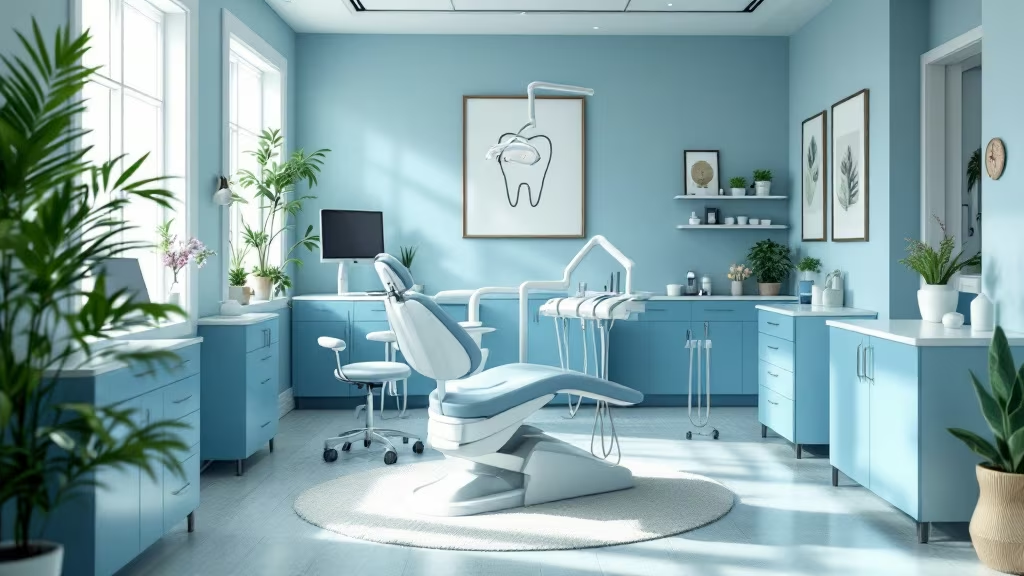
The clinical research on anxiety keeps pointing at the same triggers: the smell, the sounds, the feeling of being processed. A spa model attacks those directly. At Sola Dental Spa that means aromatherapy instead of the clinical smell, noise canceling headphones over the handpiece sound, heated neck pillows and massage chairs during treatment, and appointment lengths that never make a nervous patient feel like a conveyor item. New patients can come in, meet Dr. Gershkowitz, and talk before anything clinical happens; our overview of what to expect at a first visit describes that flow.
| Anxiety level | Typical approach | What it looks like |
|---|---|---|
| Mild nerves | Communication and distraction | Tell-show-do, headphones, breaks on request |
| Moderate anxiety | Structured desensitization | Short early visits, stop signals, morning slots |
| Strong anxiety | Nitrous oxide | Relaxed during care, drive home after |
| Phobia or avoidance | Oral sedation pathway | Prescribed pre visit medication, full monitoring |
Frequently asked questions
Should I tell the office I am anxious when booking?
Yes, please. It changes how we schedule you, how the first visit is structured, and how much time we reserve. The ADA specifically recommends flagging anxiety when you book, and at our Richmond Avenue office it is the single most useful thing a new patient can say.
Can I just get sedation for everything?
You can request it, and for some patients it is the right bridge back into care. Most people find they need it less as trust builds, which is the outcome we aim for. Sedation options and their fees are reviewed at consultation.
What if I had a bad dental experience years ago?
Tell us the story. Knowing exactly what went wrong, a rushed injection, feeling dismissed, not being believed about pain, lets us do the opposite deliberately. Most dental fear traces to one or two specific memories, and they are workable.
Is dental anxiety common in adults, or is it just me?
It is one of the most common things patients tell us, and surveys consistently find a large share of adults carry some level of dental fear. You will not surprise anyone at Sola Dental Spa with it, and you will not be judged for the gap in your dental history.
Do you see patients from outside Staten Island for anxiety focused care?
Yes. A number of our patients cross the bridge from Brooklyn and New Jersey specifically because the practice is structured around comfort. The consultation works the same way wherever you are coming from.