
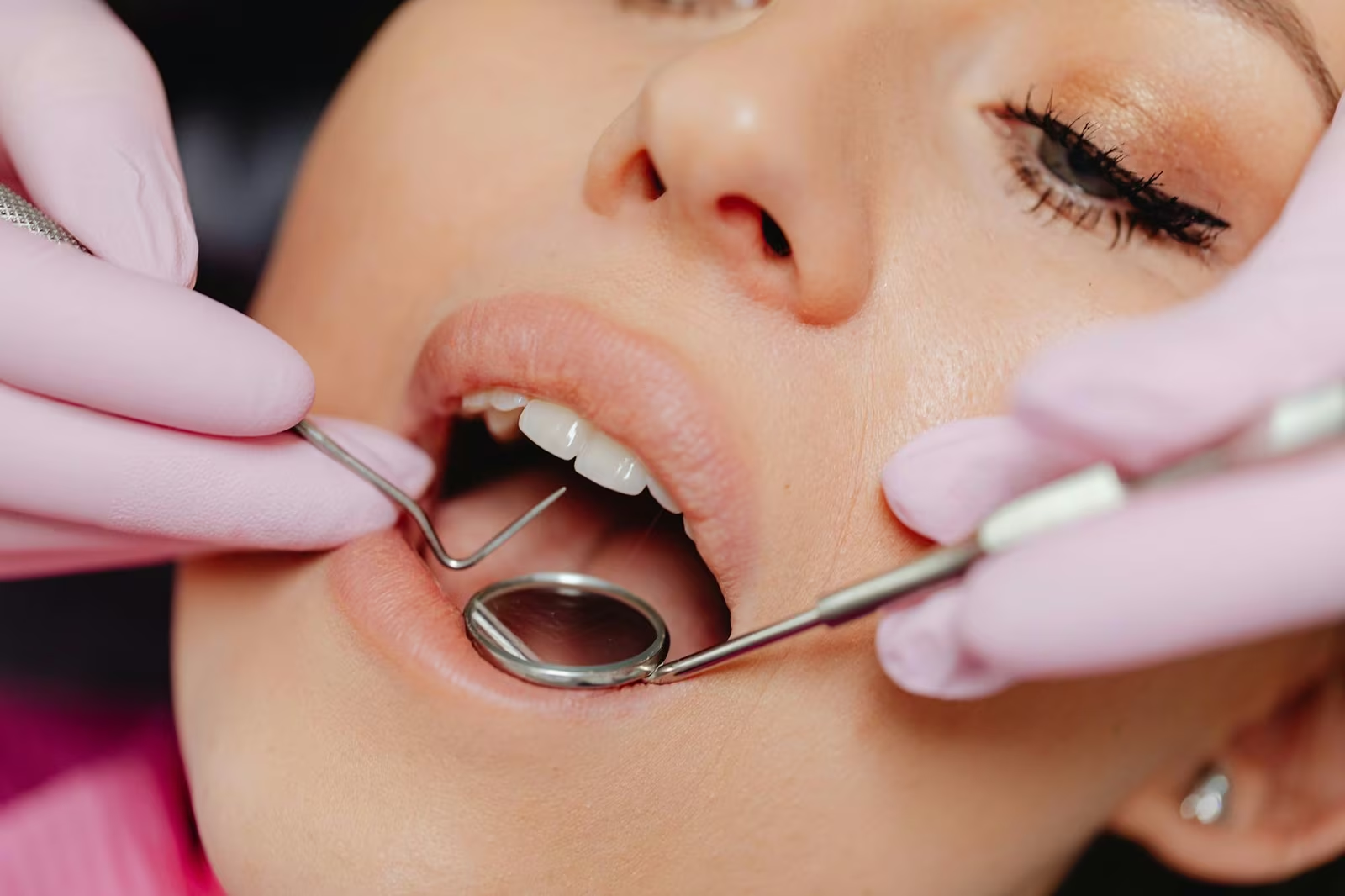
Cosmetic dental treatments last anywhere from six months to fifteen years or more depending on the procedure, with teeth whitening needing touch-ups every six months to two years, dental bonding typically lasting five to ten years, and porcelain veneers lasting ten to fifteen years with proper care. At Sola Dental Spa in Staten Island, Dr. Anne Gershkowitz, DDS, our founder, sets expectations by procedure rather than giving one blanket answer, because the honest range varies enormously depending on the material and your habits. Knowing the real numbers up front helps you plan, budget, and maintain your results. See the full menu of options on our Hollywood Smile page.
Whitening fades fastest and needs touch-ups most often. Bonding holds up for several years but is more prone to chipping and staining than porcelain. Veneers and crowns last the longest, typically a decade or more, because they are fabricated from more durable material. Oral hygiene and habits like grinding or smoking shorten every category.
“I tell patients to think of cosmetic dentistry the way they think of any investment, some pieces are built for the long haul and some need refreshing along the way. Neither is better, they just serve different goals and budgets. What matters is knowing which one you are choosing and planning your maintenance around it.”
Dr. Anne Gershkowitz, DDS, Founder, Sola Dental Spa
A patient from Great Kills came in wanting a full smile refresh before her daughter's wedding, uncertain how the different treatments would hold up over time. We built her plan around that timeline, whitening scheduled close to the date since it fades fastest, and veneers on two chipped front teeth done further in advance since they needed a longer runway to finish properly. Knowing each treatment's realistic lifespan let us sequence the whole plan around her actual event.
How long does teeth whitening actually last?
Whitening results typically last six months to two years before a touch-up is needed, depending on diet, smoking, and how well you maintain the result with good oral hygiene.
Whitening does not remove any tooth structure, it simply lightens the existing enamel, which is why the effect is not permanent. Coffee, tea, red wine, and tobacco all reintroduce staining over time, so patients who consume those regularly tend to need touch-ups on the shorter end of that range. A take-home maintenance kit, when recommended, can stretch results further between in-office visits.
How long does dental bonding hold up?
Dental bonding generally lasts five to ten years, depending on which teeth were treated, your bite forces, and habits like nail biting or chewing ice that stress the material.
Bonding uses a tooth-colored composite resin applied directly to the tooth, and while it blends beautifully at first, that resin is softer than porcelain and more prone to staining and chipping over time. It is also the most repairable of the cosmetic options, since a chipped area can often be touched up without redoing the entire tooth. For patients weighing bonding against a more durable alternative, our guide to how to avoid veneer damage outlines the habits that affect both materials similarly.
How long do veneers and crowns last?
Porcelain veneers and crowns typically last ten to fifteen years, and sometimes longer, because porcelain resists staining and wear far better than composite resin.
Longevity at this end of the spectrum depends heavily on maintenance. The American Dental Association notes that a veneer may chip, crack, wear down, or loosen over time, requiring re-bonding, repair, or replacement, which is why a custom night guard for patients who grind, avoiding ice and hard candy, and keeping six-month checkups all extend the realistic lifespan toward the higher end of that range. Our comparison of how long porcelain veneers last compared to other veneers breaks this down against composite and no-prep alternatives in more detail.
| Treatment | Typical lifespan | What shortens it |
|---|---|---|
| Teeth whitening | 6 months to 2 years | Coffee, tea, red wine, tobacco |
| Dental bonding | 5 to 10 years | Biting hard objects, grinding, staining drinks |
| Porcelain veneers | 10 to 15 years | Grinding without a guard, trauma, neglected checkups |
| Dental crowns | 10 to 15 years | Heavy bite forces, decay at the margin |
Frequently asked questions
Which cosmetic treatment lasts the longest?
Porcelain veneers and crowns typically last the longest, often ten to fifteen years, because porcelain resists staining and chipping better than composite resin or the natural fading that affects whitening.
Can I make my results last longer than average?
Yes. Good oral hygiene, a custom night guard if you grind, avoiding hard foods and excess staining beverages, and keeping regular checkups all push your results toward the higher end of the expected range for any treatment.
Does smoking really shorten cosmetic results?
Yes, significantly. Smoking accelerates staining on whitening and bonding, and it is also linked to gum disease, which can undermine the support around veneers and crowns over time.
Do all veneers last the same amount of time?
No. Porcelain veneers generally outlast composite or no-prep veneers, which tend to need replacement sooner. The material, the skill of the placement, and your own habits all factor into the actual lifespan.
How do I know which treatment fits my timeline and budget in Staten Island?
A consultation at Sola Dental Spa reviews your goals, timeline, and budget alongside the realistic lifespan of each option, so you can choose treatments that fit both your smile and your plans with confidence.