
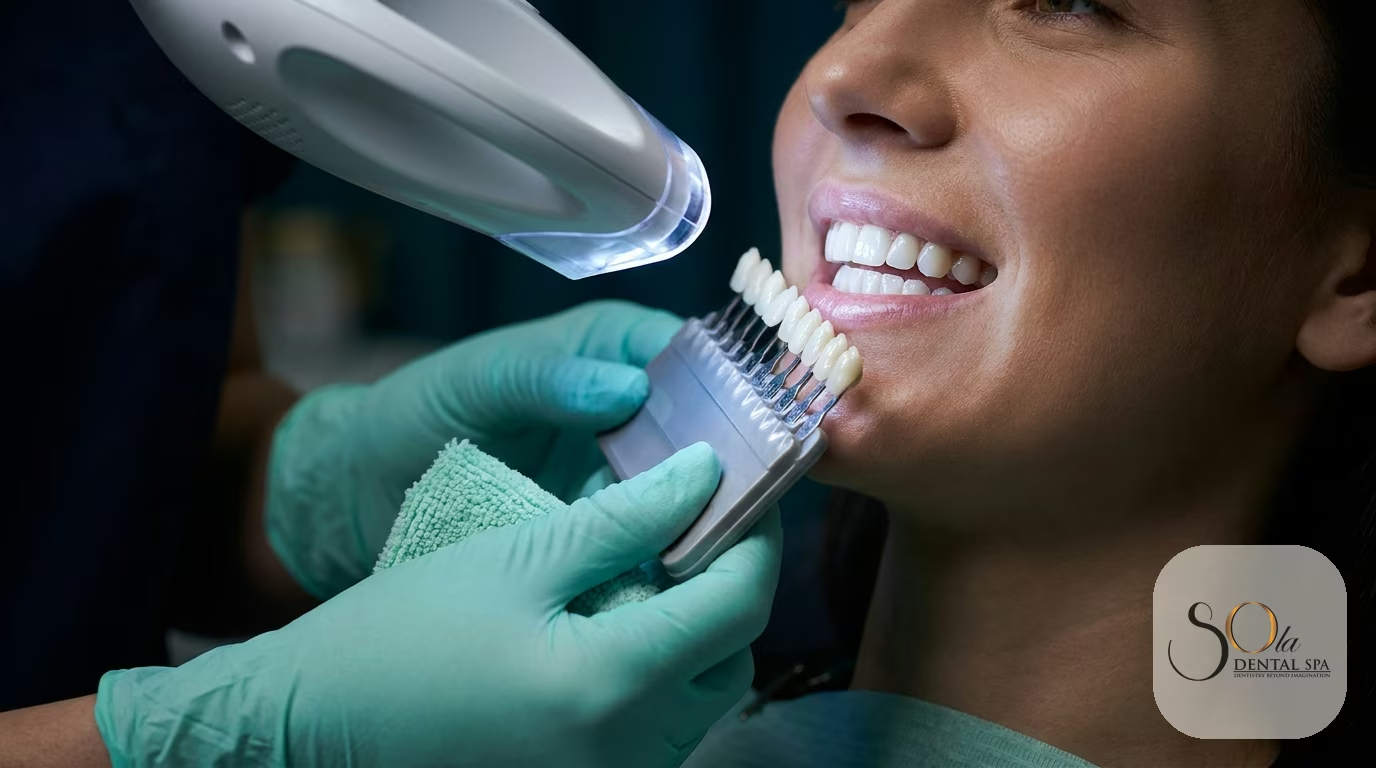
Professional teeth whitening typically lasts one to three years, while at-home whitening kits and strips usually last four to six months, and the exact timeline depends on your diet, habits, and the type of staining being treated. No whitening treatment is permanent, since teeth continue to pick up new stains from everyday food, drink, and aging. At Sola Dental Spa in Staten Island, we help patients choose the whitening approach that fits both their smile goals and how long they want the results to hold.
What Determines How Long Whitening Lasts
Whitening results fade at different rates for different people, and the biggest factors are the whitening method used, your oral hygiene habits, and how much staining food and drink you consume afterward. Genetics and age also play a role, since enamel naturally thins over time and allows more of the yellower dentin underneath to show through. If you are deciding between options, explore our services to see what Sola Dental Spa offers in office.
Professional Whitening vs. At Home Kits
| Method | Typical Duration | Notes |
|---|---|---|
| In office professional whitening | About 1 to 3 years with good care | Uses stronger bleaching agents applied by a dentist |
| Dentist dispensed take home trays | About 6 months to 1 year | Custom trays with professional strength gel |
| Over the counter strips and whitening toothpaste | A few weeks to a few months | Targets surface stains only, lower bleach concentration |
Age plays a role here too. As enamel naturally thins over the years, more of the yellower dentin layer underneath becomes visible, which can make whitening results appear slightly less dramatic and somewhat shorter lived for older patients compared to younger ones, even with identical care.
Extrinsic vs. Intrinsic Stains
Not all stains respond to whitening the same way. Extrinsic stains sit on the outer enamel and come from lifestyle habits, while intrinsic stains form within the tooth structure itself and are harder to treat.
| Stain Type | Common Causes | Responds to Whitening |
|---|---|---|
| Extrinsic (surface) stains | Coffee, tea, red wine, tobacco | Usually responds well to whitening |
| Intrinsic (internal) stains | Genetics, aging, trauma, certain medications | Often needs professional treatment or may not fully respond |
The First 48 Hours After Whitening
Enamel is temporarily more porous immediately after a whitening treatment, which means it is more susceptible to picking up new stains during roughly the first day or two. Many dentists recommend a temporary "white diet" during this window, avoiding coffee, tea, red wine, dark sauces, and tobacco, and sticking to lighter foods like chicken, rice, and water. Some patients also notice mild, temporary sensitivity to hot or cold during this period, which typically fades on its own within a day or two.
Habits That Shorten or Extend Your Results
Coffee, tea, red wine, dark sodas, and tobacco are the most common culprits behind stains returning quickly after whitening. Rinsing with water after these foods and drinks, along with consistent brushing and flossing, meaningfully extends how long your results last.
- Brush twice daily with fluoride toothpaste to remove surface stains before they set.
- Floss daily to prevent staining in the spaces between teeth.
- Limit staining foods and drinks, or rinse with water right after consuming them.
- Avoid tobacco products, which cause some of the deepest and fastest returning stains.
- Schedule periodic touch ups, whether a maintenance tray at home or a professional session.
“The question I get most after a whitening treatment is why the results faded faster than a friend’s did. Usually it comes down to coffee, red wine, or smoking. Whitening is not permanent for anyone, but the habits you keep afterward decide whether you are touching up in six months or in two years.”
Dr. Anne Gershkowitz, DDS, Founder, Sola Dental Spa
Frequently Asked Questions
How often should I whiten my teeth?
This depends on the method and your staining habits. Many patients with professional whitening return for a touch up once a year, while at home kit users may touch up every few months. Your dentist can recommend a schedule based on how your results are holding up.
Does whitening damage tooth enamel?
Whitening does not damage healthy enamel when used as directed. Some patients experience temporary tooth sensitivity because the whitening agent reaches the dentin layer beneath the enamel, but this typically resolves on its own within a few days.
Can teenagers get their teeth whitened?
Whitening is generally not recommended until all permanent teeth are in and a dentist has evaluated the smile. Younger patients should talk with their dentist before starting any whitening regimen.
Why do my results fade faster than someone else's?
Diet, tobacco use, the depth of your natural stains, and even your age all affect how quickly whitening fades. Intrinsic stains from genetics or medication also tend to respond less dramatically and may need repeated treatment.
Is professional whitening safe for sensitive teeth?
Many patients with sensitive teeth can still whiten safely, often with a gentler formulation or shorter treatment time. Talk to your dentist about your sensitivity before starting so the approach can be adjusted to you.
Whitening and Existing Dental Work
Whitening agents only work on natural tooth enamel, so crowns, veneers, bonding, and fillings will not lighten along with the rest of your smile. If you have visible dental work in your smile line, it is worth discussing with your dentist beforehand, since a mismatch in shade can become more noticeable after whitening natural teeth around it. In some cases, a dentist may recommend whitening first and then matching new restorative work to the final shade.
Sources: ADA MouthHealthy, Teeth Whitening.