
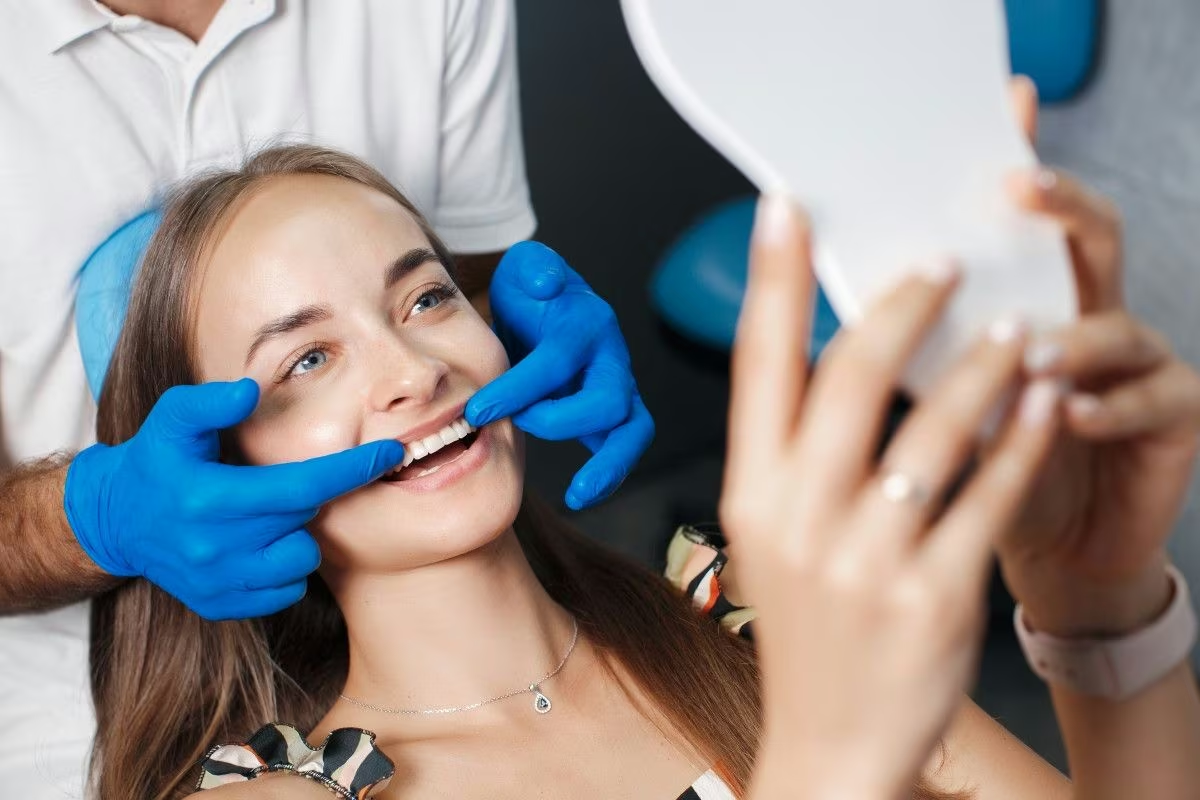
Porcelain veneers typically last 10 to 15 years, and sometimes longer, while composite veneers generally need attention sooner. Sola Dental Spa in Staten Island fits both types of veneers and walks every patient through the habits that protect them. How long your veneers actually last depends as much on your daily care as it does on the material itself.
What affects how long veneers last?
Not all veneers age the same way. A few factors make the biggest difference:
| Material | Typical Lifespan | Notes |
|---|---|---|
| Porcelain | 10 to 15 years, sometimes longer | More durable and stain-resistant than composite. |
| Composite resin | Up to 5 years | More affordable initially but wears sooner. |
Your bite also plays a role. Grinding or clenching puts extra pressure on veneers and can shorten their lifespan. Everyday habits matter too, chewing on ice, biting fingernails, or using your teeth to open packages all wear veneers down faster than normal use would.
What are the signs veneers may need replacing?
Even with the best care, no dental restoration lasts forever. Watch for:
- Discoloration or staining that will not polish off.
- Chips or cracks from normal wear or an accidental impact.
- Gum recession that reveals the edge of the veneer.
- Looseness or detachment from the tooth surface.
In most cases, your dentist will notice these issues during a regular checkup, which is one more reason those twice-a-year visits matter.
“The consultation is where we catch the details that matter later, gum health, bite, and the small things that make a cosmetic result look natural and last.”
Dr. Anne Gershkowitz, DDS, Founder, Sola Dental Spa
How can I help my veneers last longer?
A few consistent habits make the biggest difference over time.
- Use a soft-bristled brush and non-abrasive toothpaste. Harsh products can dull the surface of veneers and irritate the surrounding gums.
- Floss daily. Flossing helps prevent gum disease and keeps plaque away from the edges of your veneers.
- Avoid hard foods. Skip unpopped popcorn kernels, ice, and jawbreakers, and cut apples or crusty bread into pieces rather than biting in directly.
- Limit staining beverages. Porcelain resists stains well, but the bonding at the edge of the veneer can pick up color from coffee, tea, red wine, and berries over time. Rinse with water afterward.
- Ask about a nightguard. If you grind your teeth at night, a custom nightguard protects both veneers and natural teeth.
- Keep up with dental visits. Your dentist checks for cavities and monitors your veneers for wear, bonding issues, or changes in the gums, so small issues are caught early.
Everyday choices beyond the bathroom routine matter as well. Avoiding tobacco protects both the appearance of your veneers and the gum health that supports them, since smoking contributes to staining and gum disease that can undermine the foundation around a veneer. Drinking plenty of water helps rinse away food particles between brushings, and a tooth-friendly diet rich in calcium and phosphorus supports your overall oral health. Chewing sugar-free gum after meals can also help by stimulating saliva, which naturally neutralizes acid and clears away debris around the edges of your veneers.
Porcelain versus composite: which lasts longer?
The material you choose has a real effect on how long your results hold up. Porcelain resists stains and holds its polish better over time, which is why it tends to be the longer-lasting option for patients who want minimal upkeep. Composite veneers cost less upfront and can be repaired chairside if damaged, but they generally need replacement or touch-ups sooner than porcelain. Your dentist can help weigh these tradeoffs against your budget, bite, and how much maintenance you are willing to keep up with.
What happens if a veneer chips or comes loose?
Sometimes, despite your best efforts, a veneer may chip, crack, or come loose. It happens, and in most cases it can be repaired or replaced without much trouble. What matters most is choosing the right dentist who understands veneer design, bonding, and replacement, since a well-done repair should blend right in with the rest of your smile.
Frequently asked questions
Can veneers be whitened if they start to look dull?
Whitening products do not change the shade of porcelain veneers. If staining has built up at the edges, a professional cleaning or polish is usually the better option.
Do veneers need to be replaced all at once?
Not necessarily. If only one veneer is damaged, your dentist can often replace it individually while matching the shade of the others.
Is it normal for veneers to feel different at first?
A short adjustment period is common as you get used to the new shape and surface. Any ongoing discomfort should be checked by your dentist.
How soon after getting veneers can I eat normally?
Most patients can eat normally once any numbness from bonding wears off, though it is wise to avoid very hard foods for the first few days.
Will my insurance cover veneers?
Veneers are typically considered cosmetic and may not be covered by dental insurance. Our team can walk you through financing options during your consultation.
Whether you are exploring veneers for the first time or want help extending the life of your current ones, Sola Dental Spa is here to help you protect your investment. We also offer complete smile makeover and other cosmetic dentistry services designed to keep your smile healthy. Book your consultation today.