
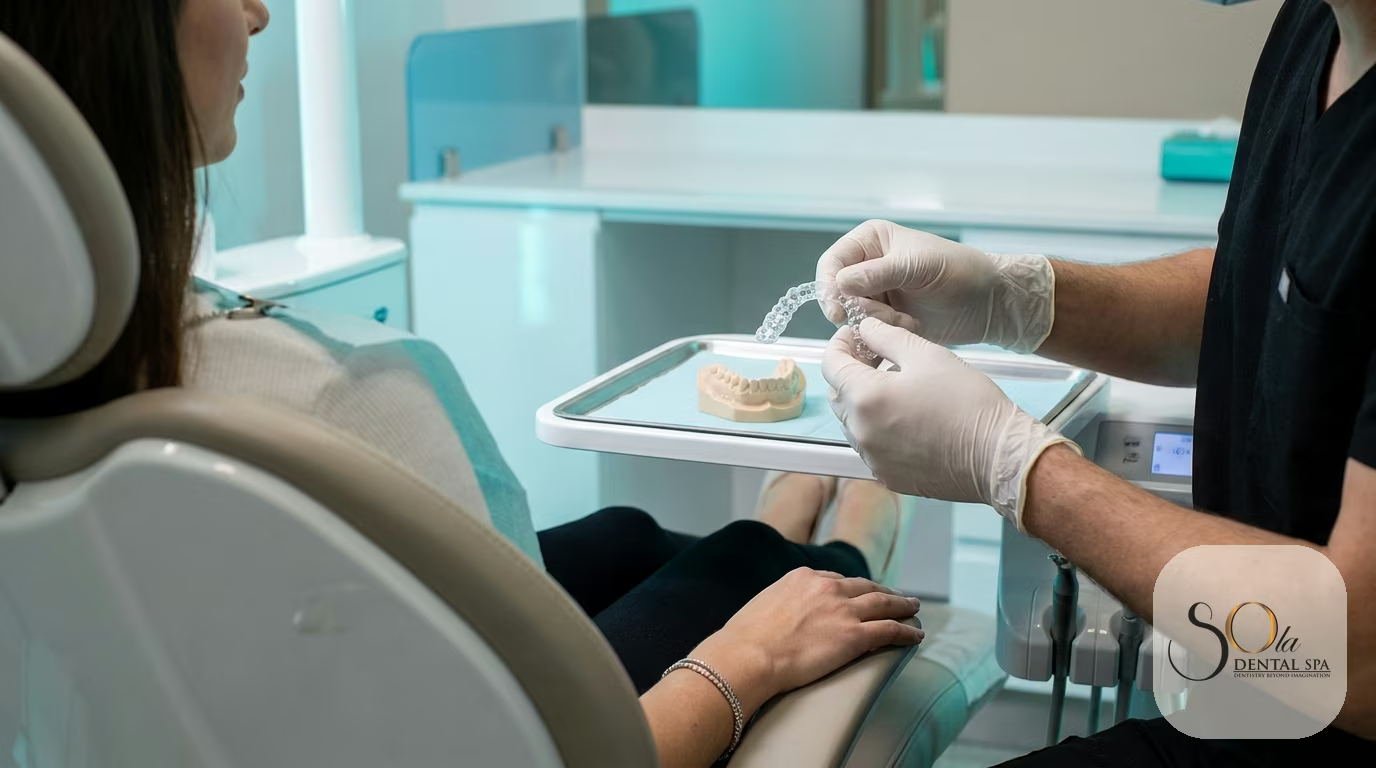
Invisalign straightens teeth using a series of clear, removable plastic aligners instead of metal brackets and wires. You wear each set for about two weeks, then move to the next, and over time your teeth shift into place. It is popular because it is discreet and you can take it out to eat and brush, but it works best for mild to moderate alignment issues and only if you wear it consistently. If you are weighing your options in Staten Island, our orthodontics team can tell you quickly whether you are a good candidate.
How does Invisalign actually work?
Invisalign uses a set of custom-made clear aligners molded to your teeth. Each aligner is slightly different from the last, and wearing them in order applies gentle, staged pressure that moves your teeth a little at a time. You swap to a new set roughly every one to two weeks as directed. The aligners are nearly invisible, which is the main reason people choose them over traditional braces.
How long do you have to wear the aligners each day?
Plan on 20 to 22 hours a day. This is the part people underestimate. Because the aligners come out so easily, it is tempting to leave them out through meals, coffee, and long stretches of the day, but that stalls your progress. The rule of thumb is simple: they should be in except when you are eating, drinking anything other than water, or cleaning your teeth.
Is Invisalign right for everyone?
No. Invisalign is a strong fit for mild to moderate crowding, spacing, and minor bite issues. More complex cases, such as a severe bite discrepancy or significantly rotated teeth, often still need traditional braces or a combined approach. The honest answer comes from an exam, which is why a consultation matters before you commit to either path.
| Factor | Invisalign | Metal braces |
|---|---|---|
| Appearance | Clear, hard to notice | Visible brackets and wires |
| Removable | Yes, for meals and cleaning | No, fixed until treatment ends |
| Best for | Mild to moderate cases | Mild through complex cases |
| Daily wear | 20 to 22 hours, self-managed | Always on, no discipline needed |
| Cleaning | Brush and floss normally, clean aligners | Careful brushing around brackets |
What should you expect at the start?
A short adjustment period is normal. Many people notice a slight lisp for the first few days as the tongue gets used to the aligners, and it fades on its own. You will also want to carry a toothbrush, since brushing after meals before you put the aligners back in keeps food from getting trapped against your teeth. Within a week or two, the routine feels natural.
“The patients who love Invisalign are the ones who wear it. It is a discreet, comfortable option, but it only moves teeth while it is in your mouth. If you commit to the hours, the results speak for themselves.”
Dr. Anne Gershkowitz, DDS, Founder, Sola Dental Spa
How does Invisalign fit into a fuller smile plan?
Straightening is often the first step in a larger cosmetic plan. Once teeth are aligned, some patients add whitening or porcelain veneers to finish the look, and aligned teeth are also easier to keep clean long term. At Sola Dental Spa we look at the whole picture so the sequence makes sense for your goals and budget.
Frequently asked questions
Does Invisalign hurt?
Most people feel mild pressure or tenderness for a day or two after switching to a new aligner. That is the tooth movement working, and it settles quickly.
How long does treatment take?
It varies by case. Minor corrections can take a few months, while more involved cases run longer. Your treatment plan gives you a realistic timeline after the exam.
Can I eat with Invisalign in?
Take the aligners out to eat and to drink anything other than water. Food can stain or warp them, and chewing with them in can damage them.
What happens after treatment?
You wear a retainer to hold your teeth in their new position. Skipping the retainer is the most common reason teeth drift back.
Is Invisalign more expensive than braces?
Cost depends on the complexity of your case rather than the brand alone. A consultation gives you an accurate number for your situation.
Sources: American Dental Association, MouthHealthy: braces and aligners