
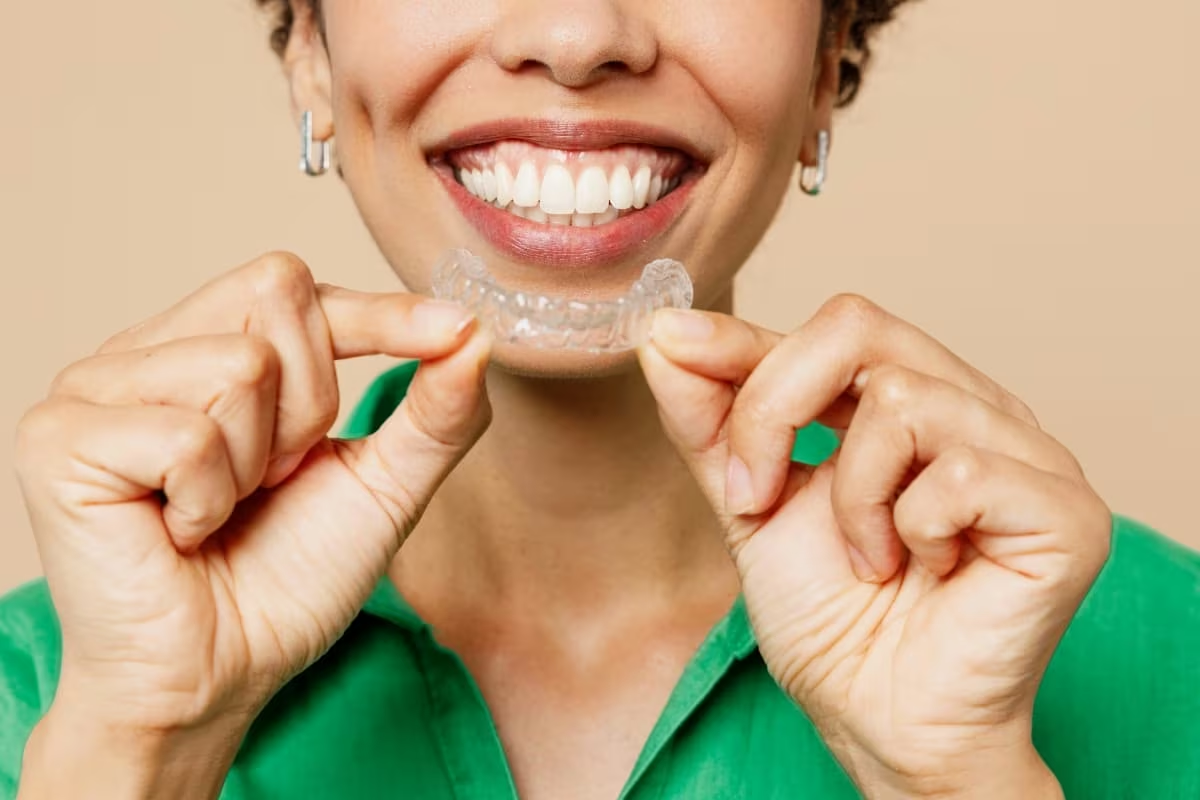
Invisalign tends to work best for mild to moderate misalignment when discretion and easy removal matter most, while traditional braces remain the more predictable choice for complex bite and spacing problems. Both methods gradually shift teeth into a straighter, more functional position, but they differ in comfort, visibility, diet restrictions and how they fit into daily life. At Sola Dental Spa in Staten Island, our team looks at your bite, your budget and your goals before recommending either option.
What Is Invisalign?
Traditional braces have been the standard for decades: a bracket cemented to each tooth, connected by a wire that is tightened over time. Invisalign takes the same basic idea, gradually moving teeth into place, and delivers it through a series of clear, custom fitted aligner trays instead of metal hardware.
Each tray in the series is slightly tighter than the last. You wear one for a set stretch of time, then switch to the next, and by the end of the series your teeth have moved into their planned position.
How Invisalign and Traditional Braces Compare
| Factor | Traditional Braces | Invisalign |
|---|---|---|
| Visibility | Visible metal or ceramic brackets and wires | Clear trays that are hard to notice |
| Removability | Fixed in place until treatment ends | Removable for eating and brushing |
| Diet | Sticky and hard foods are restricted | Few restrictions since the trays come out to eat |
| Comfort | Noticeable pressure after each adjustment | Milder pressure with each new tray |
| Typical cost | Generally the lower cost option | Generally costs more than braces |
| Best suited for | Complex alignment or bite issues | Mild to moderate spacing and alignment issues |
The Pros and Cons of Traditional Braces
Braces are affordable relative to Invisalign in most cases, and they have a long track record of correcting even complicated bite and spacing issues. The tradeoff is comfort. Brackets and wires can rub against the inside of the mouth, and each tightening appointment brings a period of soreness.
Diet is also more limited with braces. Sticky, chewy or very hard foods can loosen a bracket or bend a wire, so patients need to be more careful about what they eat for the duration of treatment. Installation and adjustment both take real chair time, since a dentist has to bond a bracket to every tooth and then return periodically to tighten the wire as teeth shift.
The Pros and Cons of Invisalign
Comfort is one of the biggest reasons patients choose Invisalign. The aligners exert gentler, more gradual pressure than a wire and bracket system, and because you can remove them, there is no lasting restriction on what you eat. Take the tray out, eat normally, and put it back in.
The trays are also difficult to spot unless someone is looking closely, which matters to many teens and adults who would rather not wear visible hardware. On the other hand, Invisalign generally costs more than traditional braces, and it is not the right fit for every case. Severe misalignment or significant bite problems often still call for braces or a combination of treatments.
Which Option Is Right for You?
For a straightforward case of crooked or gapped teeth, Invisalign is often a comfortable and discreet path to a straighter smile. For more complex alignment or bite issues, traditional braces, or a treatment plan that combines approaches, may be the more reliable route to a healthy result.
Either way, the right choice depends on an exam of your teeth and bite, not a general rule. At Sola Dental Spa, we also offer general restorative dentistry, dental implants, porcelain veneers, complete smile makeovers and dental spa treatments, all aimed at helping you feel confident about your smile.
“Neither option is automatically the better choice. It comes down to your bite, your budget and how you want treatment to fit into your daily life, and that is what we map out together before any treatment starts.”
Dr. Anne Gershkowitz, DDS, Founder, Sola Dental Spa
How to Prepare for Either Treatment
Whichever option you lean toward, the first real step is an exam. Your dentist will look at how your teeth and jaw fit together, not just how straight your teeth appear, since underlying bite problems can affect which treatment will actually work well for you.
It also helps to think honestly about your daily habits. If you know you will not reliably wear removable aligners for the recommended hours each day, traditional braces may get you a more predictable result. If visible hardware would hold you back from wearing it consistently, Invisalign's discretion may matter more than its higher price tag.
Frequently asked questions
Which treatment works faster, Invisalign or braces?
It depends on the complexity of your case rather than the type of treatment itself. Mild cases can move quickly with either option, while more involved bite corrections take longer no matter which method you choose. Your dentist can give you a realistic timeline once they have examined your teeth.
Does dental insurance cover Invisalign the way it covers braces?
Many plans that include an orthodontic benefit apply it to both options, but coverage varies by plan. It is worth checking your specific benefits before you commit to either treatment.
Can adults use Invisalign, or is it only for teens?
Invisalign is used by patients across a wide age range. Healthy teeth and gums matter more than age when it comes to candidacy.
Will I need a retainer after treatment either way?
Yes. Both Invisalign and traditional braces are typically followed by a retainer to hold your teeth in their new position, since teeth can drift back over time without one.
How do I decide which option is right for me?
Start with an exam. Your dentist can evaluate the severity of your misalignment, discuss your lifestyle and budget, and recommend the option, or combination of options, most likely to get you a healthy, lasting result.
Sources: American Dental Association, MouthHealthy: Braces.
For help with teeth straightening, schedule a visit with Sola Dental Spa in Staten Island. Related reading: How to Care for Your Braces During Teeth Straightening.