
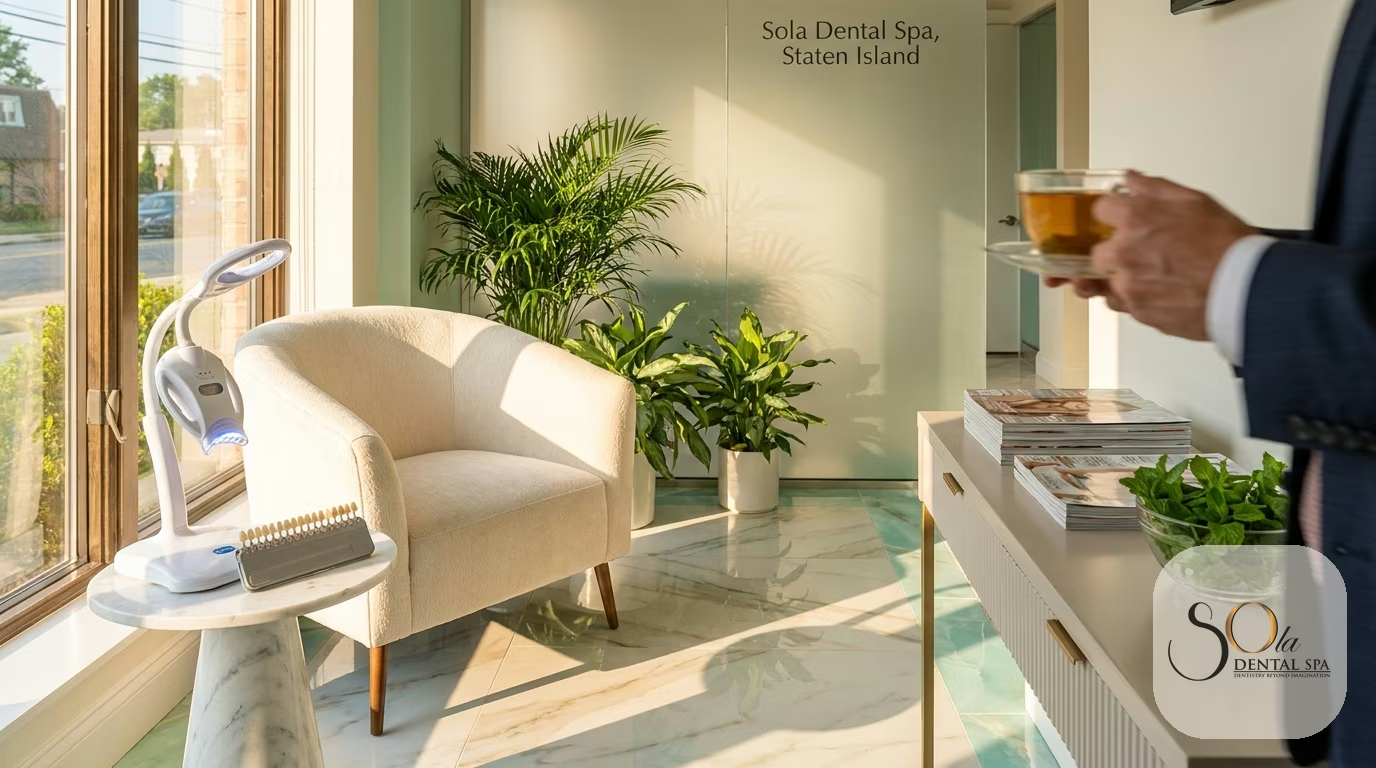
DIY teeth whitening can lighten mild surface stains, but it works more slowly than professional whitening and carries a real risk of enamel sensitivity or gum irritation if products are misused or bought from unverified sellers. At Sola Dental Spa in Staten Island, we see both outcomes: patients who whiten safely at home with the right products, and patients who come in with sensitivity or uneven results from DIY kits used incorrectly.
What is the difference between professional and DIY teeth whitening?
Professional whitening uses a stronger, dentist-supervised bleaching agent applied under controlled conditions, which is why results tend to show up faster and last longer. DIY and over-the-counter whitening products use gentler formulas meant for repeated at-home use over days or weeks. Both approaches rely on peroxide-based bleaching agents to break down surface stains, but the concentration, application method, and supervision differ significantly.
| Factor | Professional Whitening | DIY Whitening |
|---|---|---|
| Speed of results | Visible change often after a single treatment | Gradual change over days to weeks |
| Supervision | Applied and monitored by a dental professional | Self-applied, without professional oversight |
| Consistency | More predictable, even results | Results vary by product and technique |
| Risk of misuse | Lower, due to controlled application | Higher, especially with overuse |
For a closer look at what to expect after treatment, see our guide on maintaining teeth whitening results after treatment.
Are baking soda and other natural DIY methods safe?
Some natural methods, like brushing gently with baking soda, can help polish away light surface stains when used in moderation, and baking soda is generally considered safe for enamel when not overused. Other popular methods, such as oil pulling, have limited evidence behind any actual whitening effect, though swishing oil may support general oral hygiene in some people. The key risk with natural methods is less about the ingredients themselves and more about frequency and technique. Brushing too hard or too often with an abrasive substance can wear down enamel over time, which is the opposite of what most people want from a whitening routine.
What are the risks of DIY teeth whitening?
The most common risks are enamel wear, gum irritation, and tooth sensitivity, all of which usually come from overuse or from products that are not suited to a person's dental history. Peroxide-based bleaching agents can weaken enamel if used too frequently or left on too long, which sometimes shows up as increased sensitivity or, in more severe cases, faint white spots on the teeth. Gum irritation is common with at-home kits when the whitening agent contacts the gum tissue directly, and it typically resolves once use stops, but repeated irritation is a sign to change products or consult a dentist. If you already experience sensitivity, our article on options for sensitive teeth whitening covers gentler alternatives.
“The patients I worry about most are not the ones who ask before they whiten, they are the ones who do not. A quick consultation can tell you whether a DIY kit is a reasonable option for your teeth or whether it is likely to cause more sensitivity than it is worth.”
Dr. Anne Gershkowitz, DDS, Founder, Sola Dental Spa
Why do online-purchased whitening kits carry extra risk?
Whitening products bought from unverified online sellers do not always come with clear instructions or warnings about who should avoid them, which matters because certain products are not appropriate for people with existing sensitivity, gum disease, or dental restorations like crowns and veneers. Without that guidance, it is easier to misuse a product without realizing it. Buying from a known, reputable source and checking with your dentist before starting a new whitening routine are simple ways to reduce this risk.
How can I maintain whitening results safely over time?
Whichever method you choose, the habits that protect your results are largely the same. Limiting staining foods and drinks such as coffee, tea, and red wine, rinsing with water after you consume them, and keeping up with regular brushing and flossing all help preserve a brighter shade for longer. Touch-up treatments are sometimes appropriate, but they should follow the same guidance as the original treatment: use only as directed, and pause if you notice ongoing sensitivity. Patients who pair a professional starting point with sensible at-home maintenance tend to see the most consistent, longest-lasting results.
Frequently asked questions
Is it safe to whiten my teeth at home?
For most people with healthy teeth and gums, at-home whitening from a reputable product is reasonably safe when directions are followed closely. Anyone with sensitivity, gum disease, or dental restorations should check with a dentist first.
Why does professional whitening cost more than DIY kits?
Professional whitening involves a stronger, supervised treatment and typically produces faster, longer-lasting results, which is reflected in the price difference compared to at-home kits.
Can DIY whitening damage my enamel?
Yes, if a product is overused or left on too long. Following the instructions and not exceeding the recommended frequency helps protect enamel.
Will whitening work on veneers or crowns?
No. Whitening products only affect natural tooth enamel, not porcelain or composite restorations, which is why shade matching matters if you have existing dental work.
How can I tell if a whitening product is safe to try?
Look for clear usage instructions and ingredient information, and check with your dentist, especially if you have sensitive teeth or existing dental restorations. When in doubt, a quick question at your next cleaning is easier than managing side effects afterward.