
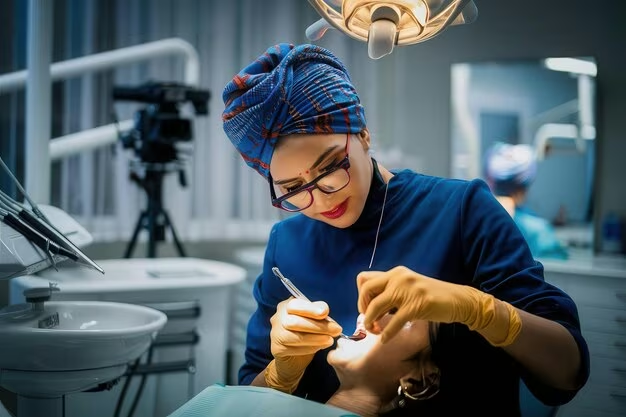
You prevent gum disease after a dental procedure the same way you prevent it any other time, with careful daily cleaning and regular checkups, but the healing period demands extra attention because tissue is more vulnerable. At Sola Dental Spa in Staten Island, gum health is overseen by Dr. Daniel Nejat, DMD, a board-certified periodontist, who reminds patients that the work is only as good as the gums that support it. Whether you have had a filling, a crown, an implant, or gum surgery, protecting the surrounding tissue during recovery is what makes the result last. Periodontal care sits within the full range of services we provide.
Keep the area clean without disturbing healing tissue, follow any procedure-specific instructions exactly, and do not let plaque build up around new dental work. Gum disease starts with plaque, so consistent gentle cleaning plus your follow-up visits are the whole strategy.
“After a procedure, patients often go one of two ways. Some are so afraid of the area that they stop cleaning it, and plaque moves right in. Others scrub too hard and irritate healing tissue. The sweet spot is gentle, consistent care, and it protects the investment you just made in your mouth.”
Dr. Daniel Nejat, DMD, Board-Certified Periodontist, Sola Dental Spa
A patient from West Brighton who had just finished implant placement admitted at her follow-up that she had been avoiding the whole area, afraid to touch it. The tissue around the site was already inflamed. We showed her how to clean gently right up to the margin, and by her next visit the redness was gone. Nothing had gone wrong with the implant, the gums around it had simply been neglected out of caution.
Why are gums more vulnerable after a procedure?
Healing tissue is more easily irritated and inflamed, and people often clean the area less because it feels tender. That combination lets plaque accumulate exactly where you least want it.
Gum disease is driven by plaque, the sticky bacterial film that constantly forms on teeth. The American Academy of Periodontology lists red, swollen, or tender gums and bleeding while brushing or flossing among the warning signs of gum disease. Right after a procedure those same signs can appear simply from healing, which is why staying in touch with your dentist matters, so normal healing is not confused with early trouble, and trouble is not mistaken for normal healing.
How should you clean around new dental work?
Brush gently but thoroughly, clean between teeth daily, and follow any specific instructions your dentist gives for the site. Avoid vigorous rinsing or poking at a surgical area until it has healed.
The right technique depends on what you had done. After many procedures you can brush and floss the rest of your mouth normally while treating the treated area more delicately. After extractions or gum surgery, your dentist will give you a specific timeline for resuming full cleaning. The principle behind our guide to speeding up healing after oral surgery applies here too, consistency and gentleness beat intensity.
What keeps gum disease away for the long term?
The same habits that prevent it in the first place, brushing twice daily, cleaning between teeth once daily, and professional cleanings on schedule. New dental work does not change the fundamentals, it raises the stakes.
Once the healing period passes, the job is ongoing maintenance. If early inflammation does appear, catching it fast keeps it reversible, which is the whole message of our guide to reversing early gum disease. Should disease ever advance despite your best efforts, our overview of surgical options for severe gum disease explains what comes next, but the goal is always to never need it.
| Sign around the site | Likely healing | Worth a call |
|---|---|---|
| Mild tenderness fading day by day | Yes | No |
| Bleeding that keeps returning with brushing | No | Yes |
| Redness and swelling that worsen after a week | No | Yes |
| Gums firming and returning to pink | Yes | No |
Frequently asked questions
Is bleeding after a procedure a sign of gum disease?
Not always. Some bleeding is normal in the first days of healing. Bleeding that keeps returning when you brush, or that appears well after the area should have healed, is more concerning and worth having checked at our Staten Island office.
When can I go back to brushing and flossing normally?
It depends on the procedure. For minor work you can usually keep your normal routine everywhere except the treated spot. After extractions or gum surgery we give you a specific timeline, so follow the instructions you were sent rather than guessing.
Can gum disease damage a new implant or crown?
Yes. Gum inflammation around an implant or crown can undermine the tissue and bone that hold it, so keeping that margin clean is essential. Protecting your gums is a direct way of protecting the work itself.
Should I use mouthwash while healing?
Sometimes we recommend a specific rinse, but vigorous swishing can disturb a healing surgical site, so do not start one on your own. Ask us what is appropriate for your particular procedure and stage of healing.
How soon should I come in if something looks off?
Sooner is always better. Early gum inflammation is far easier to reverse than established disease, so if an area looks red, swollen, or is bleeding beyond the expected healing window, call us rather than waiting for your next scheduled visit.