
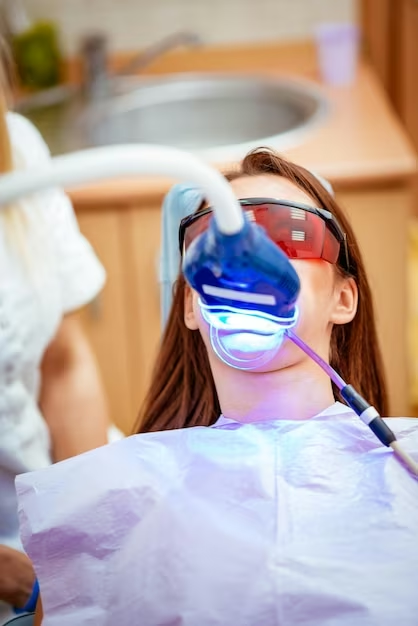
Sensitivity after teeth whitening is common but usually preventable. Using a desensitizing toothpaste before and after treatment, choosing professionally supervised whitening with custom-fit trays, and avoiding very hot, cold, or acidic foods for the first few days all meaningfully reduce the risk. At Sola Dental Spa in Staten Island, Dr. Anne Gershkowitz builds a whitening plan around each patient's sensitivity history before treatment begins.
What Causes Sensitivity After Whitening?
Teeth whitening products work by allowing a bleaching agent, usually a form of peroxide, to penetrate the enamel and lift stains. That same process can temporarily irritate the nerve inside the tooth, which is what causes the short-term sensitivity some patients notice, particularly to cold. Ill-fitting whitening trays can add to the problem by letting the bleaching gel come into contact with the gums, which causes irritation that is separate from tooth sensitivity itself.
For most patients, this sensitivity is temporary and fades within a few days of finishing treatment. If sensitivity is severe, does not improve, or is accompanied by other symptoms, it is worth having a dentist take a look before continuing any at-home whitening.
Professional Whitening vs. Over-the-Counter Kits
One of the biggest differences between professional and over-the-counter whitening is control. In a professional setting, your dentist can custom-fit the trays to your teeth, choose an appropriate concentration for your sensitivity level, and apply desensitizing treatments if needed. Over-the-counter kits use generic trays that do not always fit well, which can let whitening gel reach the gums and increase irritation.
| Feature | Professional Whitening | Over-the-Counter Whitening |
|---|---|---|
| Tray fit | Custom-fitted to your teeth | Generic, one-size trays |
| Concentration control | Adjusted to your sensitivity and goals | Fixed, not personalized |
| Supervision | Monitored by a dental professional | Unsupervised |
| Desensitizing options | Available in-office if needed | Not available |
How to Prevent Sensitivity Before It Starts
A few simple steps, ideally started before treatment, go a long way toward preventing discomfort:
- Use a desensitizing toothpaste: Toothpaste with potassium nitrate can help calm nerve sensitivity when used consistently in the days leading up to whitening.
- Choose custom-fit trays: A snug, professionally made tray limits contact between the whitening gel and your gums.
- Limit acidic foods and drinks: Acidic items can soften enamel temporarily and make sensitivity more noticeable around whitening treatment.
- Ask about gentler options: Lower-concentration whitening or a slower treatment schedule can reduce sensitivity for patients who are prone to it.
- Get professional guidance: A dentist can recommend the whitening approach best suited to your teeth and sensitivity history.
Managing Sensitivity If It Happens
If sensitivity does occur, it is usually manageable at home. Over-the-counter pain relievers such as ibuprofen or acetaminophen can ease discomfort; check with a healthcare provider on appropriate dosing if you are unsure. Avoiding very hot, cold, sweet, or acidic foods and drinks for the first few days after treatment reduces irritation, and continuing to use a desensitizing toothpaste twice daily supports faster relief. Mouthwash can typically be resumed after the first 48 hours following treatment.
For longer-term protection, an in-office fluoride treatment applied by a dental professional can help strengthen enamel and further reduce sensitivity following whitening.
“Sensitivity is one of the most common questions patients ask about before starting whitening, and it is also one of the most preventable. When we control the fit of the tray and the strength of the gel, and give patients a simple aftercare routine, most avoid significant sensitivity altogether.”
Dr. Anne Gershkowitz, DDS, Founder, Sola Dental Spa
Why Enamel Health Matters Long Term
Sensitivity prevention is not only about the days immediately following treatment. Enamel that is otherwise healthy generally tolerates whitening well, which is one reason a dental exam before starting any whitening program is worthwhile. If you have untreated cavities, worn enamel, or exposed root surfaces, whitening can make sensitivity more pronounced, and your dentist may recommend addressing those issues first or choosing a gentler approach.
At-Home Maintenance Between Treatments
Between whitening sessions, consistent use of a fluoride toothpaste and a desensitizing formula helps maintain the benefits of any in-office fluoride treatment and keeps enamel in good condition. Limiting acidic beverages, and rinsing with water afterward when you do have them, also supports enamel strength over time and can reduce the likelihood of sensitivity resurfacing with future touch-up treatments.
Frequently asked questions
How long does sensitivity after whitening usually last?
For most patients, sensitivity is mild and fades within a few days of completing treatment. If it lingers well beyond that, it is worth checking in with your dentist.
Can I prevent sensitivity before I even start whitening?
Yes. Using a desensitizing toothpaste in the days before treatment and choosing a professionally supervised option with custom-fit trays are two of the most effective preventive steps.
Is professional whitening less likely to cause sensitivity than over-the-counter kits?
Generally, yes, since a dentist can control tray fit and gel concentration and offer desensitizing treatment, options that are not available with a generic over-the-counter kit.
What should I do if sensitivity does not go away?
Continue using a desensitizing toothpaste and avoid known triggers like very hot or cold foods, and contact your dentist if sensitivity is severe or persists longer than a week or two.
Can desensitizing toothpaste alone prevent sensitivity?
It helps significantly, especially combined with a well-fitted tray and appropriate whitening strength, but it is one part of a broader prevention plan rather than a guarantee on its own.
If you are considering whitening and want a plan tailored to your sensitivity level, schedule a consultation with Sola Dental Spa in Staten Island.
Sources
If you are exploring teeth whitening, book a consultation with Sola Dental Spa in Staten Island, or browse real patient results in our smile gallery. Related reading: Whitening Options for Sensitive Teeth.