
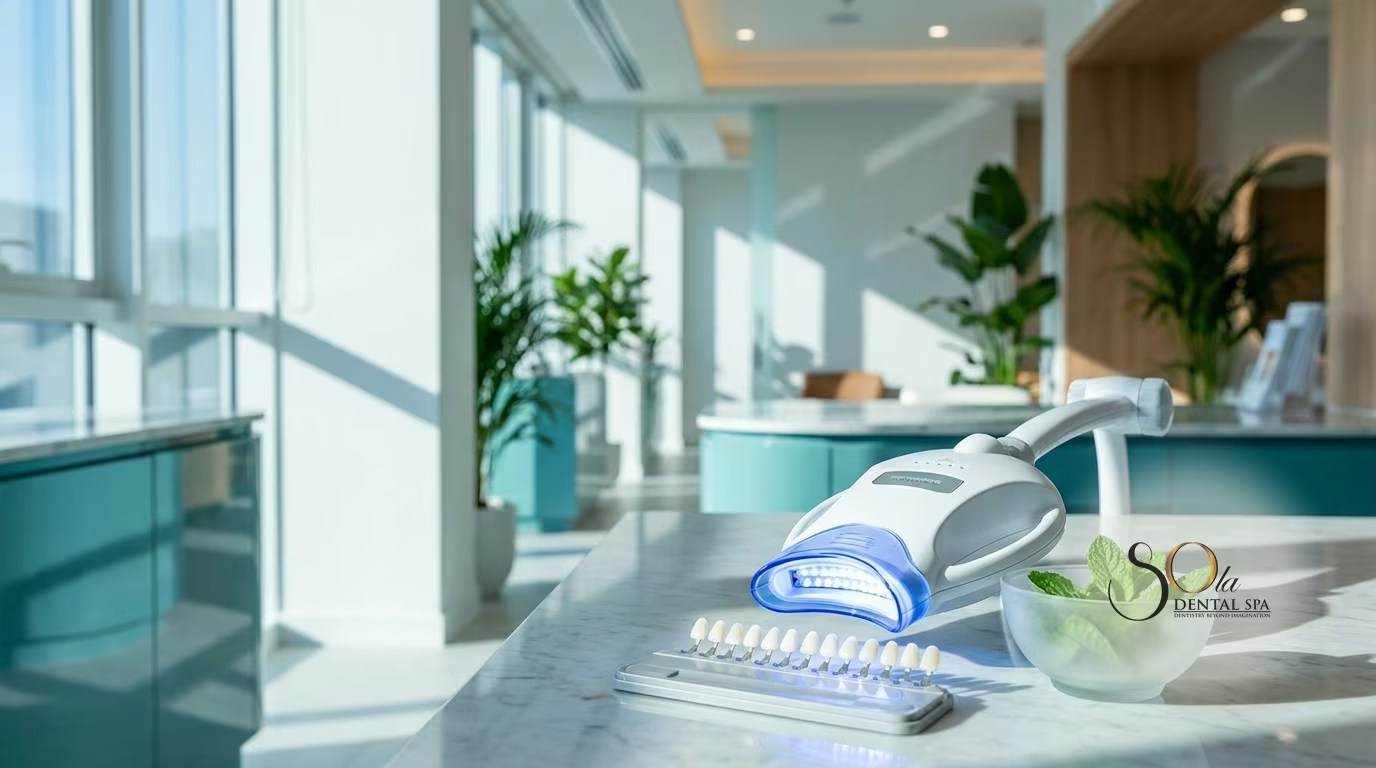
Teeth whitening is usually the first step in a smile makeover because it sets the shade that every other restoration is matched to. Once porcelain veneers, crowns, or composite bonding are placed, they cannot be whitened, so brightening your natural teeth first gives your dentist an accurate target color for anything built afterward. At Sola Dental Spa in Staten Island, your dentist reviews your goals and your oral health before recommending a whitening approach that fits into your broader smile makeover plan.
Why Whitening Comes First in a Smile Makeover
When a smile makeover includes veneers, crowns, or bonding, those restorations are color-matched to your natural teeth at the time they are made. Porcelain and composite materials do not respond to whitening the way natural enamel does, so once they are placed, their shade is fixed. Whitening your natural teeth before any restorative work means the final shade is set once, rather than leaving a mismatch between whitened natural teeth and restorations placed earlier.
What Causes Teeth to Darken?
According to the American Dental Association, everyday habits and normal aging both play a role in how teeth change color over time. Common causes include:
- Food and drink: Coffee, tea, and red wine contain pigments that attach to the outer enamel.
- Tobacco use: Tar and nicotine create stubborn surface stains.
- Age: Enamel thins over time, allowing the naturally yellower dentin layer beneath it to show through.
- Trauma: An injured tooth can darken as it lays down more dentin in response.
- Medications: Certain antihistamines, antipsychotics, and blood pressure medications can darken teeth, and childhood exposure to tetracycline antibiotics can affect adult tooth color later on.
Whitening Options a Dentist Can Offer
Not every whitening method is right for every patient, which is why a dental evaluation comes before treatment. Options generally include:
| Option | What It Involves |
|---|---|
| Stain-removal toothpaste | Mild abrasives lift surface stain through polishing; it does not change the underlying tooth color. |
| In-office bleaching | Your dentist protects your gums, then applies a bleaching agent under supervision, usually in a single visit. |
| At-home trays from your dentist | A custom-fitted tray and a dentist-dispensed bleaching solution are used at home on a schedule your dentist sets. |
| Over-the-counter strips and gels | Lower-concentration products; look for the ADA Seal of Acceptance and check with your dentist before starting. |
When Whitening Is Not Enough: Whitening vs. Veneers
Whitening addresses extrinsic staining, meaning surface discoloration from food, drinks, and tobacco. It does not change intrinsic staining that originates inside the tooth from tetracycline exposure, fluorosis, or trauma, and it will not change the color of an existing crown, veneer, or filling. Patients with intrinsic staining, or those who also want to change tooth shape or close a gap, are often better candidates for veneers than for whitening alone. See also how veneers play a role in smile makeovers.
Safety and Side Effects
Professional whitening is safe when performed or supervised by a licensed dentist. The most common side effect is temporary tooth sensitivity, which typically eases on its own. Whitening is not recommended on teeth with active decay, exposed roots, or cracked enamel, which is one reason your dentist examines your teeth before recommending a whitening plan. Overusing whitening products, especially over-the-counter ones used without guidance, can irritate gums or damage enamel, so following your dentist's instructions matters.
“Whitening should be sequenced with the rest of your smile makeover, not treated as an isolated step. We look at your whole plan first, so the final shade works for every tooth, not just the ones being whitened.”
Dr. Anne Gershkowitz, DDS, Founder, Sola Dental Spa
Maintaining Your Results After Whitening
The same habits that caused staining in the first place can gradually dull whitening results over time. Coffee, tea, red wine, and tobacco are the most common culprits, and rinsing with water shortly after consuming them can reduce how much pigment has a chance to settle into the enamel. Many patients maintain their results with occasional touch-up treatments, either in-office or with take-home trays provided by their dentist, rather than repeating a full whitening protocol from scratch. Good daily brushing and flossing also help, since removing surface plaque keeps new stains from building on top of existing ones. Your dentist can help you decide how often touch-ups make sense based on your habits and how your teeth respond.
Frequently asked questions
Will whitening work on my veneers or crowns?
No. Whitening only changes the color of natural tooth enamel. If you have existing restorations, talk to your dentist about matching or replacing them as part of your plan, rather than expecting them to lighten with treatment.
How long do whitening results last?
How long results last depends on your diet and habits, particularly how often you consume staining foods and drinks or use tobacco. Many patients schedule periodic touch-up treatments with their dentist to maintain their color over time.
Is professional teeth whitening safe?
Yes, when performed or supervised by a licensed dentist who has examined your teeth first. The main risk is temporary sensitivity, and your dentist can recommend ways to manage it.
What if I already have sensitive teeth?
Tell your dentist before starting any whitening treatment. They may recommend a desensitizing toothpaste beforehand or adjust the whitening approach to reduce discomfort.
Why does whitening come before veneers in a smile makeover?
Because veneers and other restorations are color-matched at the time they are made and cannot be whitened afterward. Whitening first gives your dentist an accurate, final shade to match everything else to.