
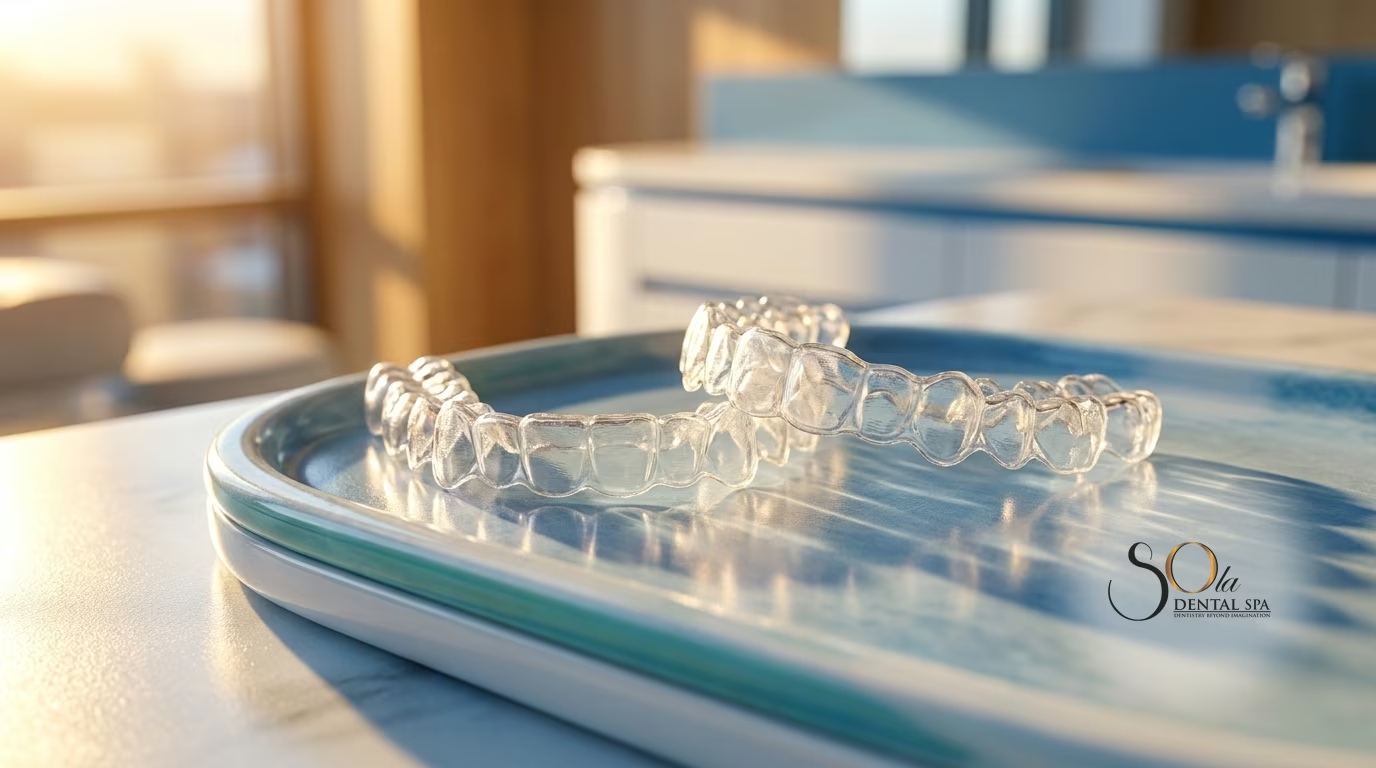
It is not too late to get braces as an adult, since healthy teeth can be moved at any age, and modern options like smaller ceramic brackets and clear aligners make treatment far more discreet than traditional metal braces. Most orthodontic treatment takes about one to three years, depending on the complexity of the case. At Sola Dental Spa in Staten Island, we see adult patients every week who assumed straightening their smile was a childhood only option, and it simply is not.
Braces Have Changed
Orthodontic technology has improved considerably in the last couple of decades. Brackets are smaller and less bulky than older systems, wires apply steadier and gentler pressure, and clear aligner systems have matured into a genuinely effective option for many adult cases. The combination of less noticeable hardware and generally less discomfort during treatment has made braces a far more approachable option for adults who ruled it out years ago.
Why More Adults Are Choosing Braces
Crowded, crooked, or misaligned teeth do not just affect appearance. An improper bite can make teeth harder to clean, which raises the risk of plaque buildup and gum disease, and it can interfere with how well you chew. Many adults pursue orthodontic treatment for these health reasons as much as for the cosmetic ones, and modern bracket systems make the process considerably more comfortable than it used to be.
Types of Braces for Adults
| Type | What It's Like | Best For |
|---|---|---|
| Traditional metal braces | Small bonded brackets connected by a wire, adjusted periodically | Complex bite corrections |
| Ceramic or clear braces | Tooth colored brackets that blend in more than metal | Patients who want a less visible option with the same control as metal |
| Clear aligners | Removable, nearly invisible trays swapped out every few weeks | Mild to moderate cases where a removable option fits a busy schedule |
What to Expect at a Consultation
An orthodontic consultation typically starts with a full exam of your teeth, gums, and bite, along with imaging to see the position of your teeth and roots. From there, your dentist will walk through which type of braces or aligners fit your case, roughly how long treatment is likely to take, and what the adjustment schedule will look like. Adult patients often appreciate that this conversation is direct: what is realistic for your bite, and what the tradeoffs are between the visible speed of metal brackets and the discretion of clear aligners.
How Long Does Adult Orthodontic Treatment Take?
According to the American Dental Association, most people in orthodontic treatment, regardless of age, are in braces for about one to three years, followed by a period of wearing a retainer to hold the new position of the teeth. Adults can generally expect treatment on the longer end of that range if the bite correction is more involved, though every case is different and your dentist can give you a more specific estimate after an exam.
The Health Case for Straightening Your Bite
Teeth that are crowded or in crossbite are harder to keep clean, which allows more food and plaque to build up between them. That buildup raises the risk of gum disease over time. A misaligned bite can also make it more difficult to chew food thoroughly. Straightening your bite is not purely cosmetic, it is a meaningful part of protecting your long term oral health. You can review our full range of care on the our services page.
“I hear the same thing from almost every adult patient before they start, some version of ‘isn’t this a kid thing?’ It is not. Healthy teeth can move at any age, and honestly, adult patients tend to be more consistent with their retainers and their hygiene, so the results often hold up beautifully.”
Dr. Anne Gershkowitz, DDS, Founder, Sola Dental Spa
Caring for Your Teeth During Treatment
Braces and aligners both require some adjustment to your daily routine. With traditional brackets, sticky and hard foods like caramel, popcorn, and whole apples are usually off the table, since they can damage brackets or wires. Clear aligners are removed for eating, which avoids that issue, but they still need to be brushed and worn consistently to stay on schedule. In both cases, more diligent brushing and flossing around the hardware helps prevent the plaque buildup that can lead to gum disease during treatment.
Frequently Asked Questions
Am I too old to get braces?
No. As long as your teeth and gums are healthy, there is no upper age limit for orthodontic treatment. Your dentist will evaluate your gum health and bone support before recommending a plan.
Do braces hurt more as an adult?
Adult teeth move the same way younger teeth do, though healing and tooth movement can be slightly slower in adults. Most patients describe mild soreness for a few days after adjustments rather than significant pain.
Can I get clear aligners instead of metal braces?
Many adults are candidates for clear aligners, especially for mild to moderate crowding or spacing. More complex bite corrections may still require traditional or ceramic braces. Your dentist can tell you which option fits your case.
Will braces affect my job or public speaking?
Most adults adjust to speaking with braces or aligners within a couple of weeks. Ceramic braces and clear aligners are far less noticeable than traditional metal, which many working adults prefer.
What happens after my braces come off?
You will move into a retention phase, wearing a retainer to hold your teeth in their new position. Skipping retainer wear is one of the most common reasons teeth shift back, so consistent use matters.
Sources: ADA MouthHealthy, Braces.