
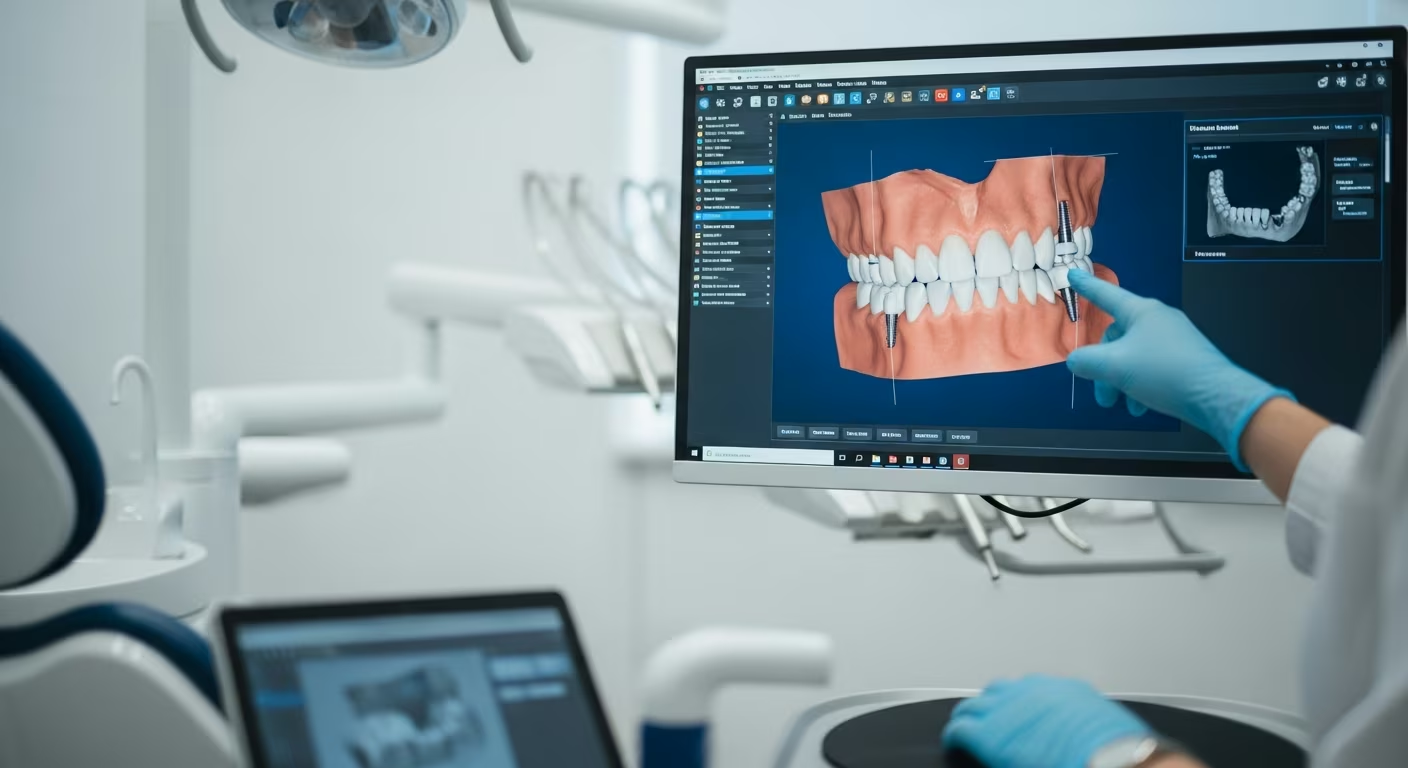
Digitally guided implant surgery uses 3D imaging and computer planning to place dental implants with greater precision than traditional freehand techniques. That extra precision means the procedure is mapped out before you ever sit in the chair, which can support a smoother experience and recovery. At Sola Dental Spa in Staten Island, this technology is part of how we plan implant cases from the very first scan.
What Is Digitally Guided Implant Surgery?
Traditional implant planning relied heavily on two-dimensional X-rays and the surgeon’s judgment during the procedure itself. That approach works, but it leaves more room for adjustments mid-surgery.
Digitally guided surgery starts with a detailed 3D scan of your mouth and jawbone. That scan is used to plan the exact position, angle, and depth of each implant before surgery begins, often with a custom surgical guide built from that plan.
How It Compares to Traditional Implant Surgery
| Feature | Traditional Approach | Digitally Guided Approach |
|---|---|---|
| Planning | Based on 2D X-rays and clinical judgment during surgery | Based on a 3D scan with implant position planned in advance |
| Precision | Depends on real-time adjustments | Guided by a pre-built surgical plan |
| Invasiveness | May require larger incisions to visualize the site | Often allows a smaller, more targeted approach |
| Predictability | Varies with case complexity | Supported by pre-surgical planning |
Every case is different, and your dentist will explain which approach fits your specific anatomy and treatment goals.
“Digitally guided surgery lets us plan an implant case down to the millimeter before we ever pick up an instrument. That kind of preparation is what makes the procedure itself feel more predictable, both for us and for the patient in the chair.”
Dr. Daniel Nejat, DMD, Board-Certified Periodontist (Diplomate, American Board of Periodontology), Sola Dental Spa
What This Can Mean for Patients
Because so much of the planning happens before surgery, patients often notice:
- A procedure that feels more efficient, since the plan is already in place
- A more targeted, less invasive approach in many cases
- Less guesswork during placement, since the plan accounts for your specific bone anatomy
Every patient heals differently, so your dentist will talk through what recovery is likely to look like for your specific case rather than a general promise.
Why Precision Matters for Long-Term Success
Implant placement is not just about getting a post into the jawbone. The angle, depth, and position all affect how evenly your bite comes together, how the surrounding gum tissue heals, and how the final crown will look and function once it is attached. A plan built from a 3D scan lets your dentist account for nearby nerves, sinuses, and existing teeth before surgery starts, rather than adjusting for them in the moment.
That upfront planning is especially valuable for patients replacing more than one tooth, since the position of each implant affects how the others will fit together in the final restoration.
What to Expect at Your Consultation
A digitally guided implant consultation at Sola Dental Spa typically starts with a review of your dental and medical history, followed by the 3D scan itself. From there, your dentist walks through the scan with you, explains where implants are recommended, and answers questions about the process, timeline, and what recovery is likely to look like for your specific case.
Bringing a list of questions, along with any prior dental records or X-rays, can help make the most of that first visit.
Is Digitally Guided Surgery Right for You?
Most implant candidates are good candidates for digitally guided planning, though your dentist will confirm this based on your bone density, overall oral health, and the number of teeth being replaced. A consultation, including the initial 3D scan, is the best way to find out what your treatment plan would look like.
How the Surgical Guide Is Used
Once the 3D plan is finalized, it is often used to create a custom surgical guide, a device that fits over your teeth or gums and directs the placement of each implant during surgery. This guide helps translate the digital plan into the actual procedure, so the position worked out ahead of time is the position that gets used in the chair.
Frequently asked questions
Is digitally guided implant surgery more expensive than traditional surgery?
Cost varies by case complexity and the number of implants involved. Our team will walk you through pricing and financing options during your consultation.
Does the 3D scan involve more radiation than a regular dental X-ray?
Modern 3D scanning technology is designed to use as little radiation as needed to get a clear, useful image. Your dentist can explain the specifics of the scan used for your treatment plan.
How long does the planning process take before surgery?
Planning time varies by case, since it depends on the complexity of your anatomy and treatment goals. Your dentist will give you a timeline specific to your plan during your consultation.
Am I a candidate if I have low bone density?
It depends on your specific bone structure. In some cases, bone grafting may be recommended first. A 3D scan is typically the first step in determining what your jawbone can support.
Does digitally guided surgery reduce the number of implants I might need?
Not necessarily. The number of implants needed depends on how many teeth are being replaced and your overall treatment plan, not the planning method used.
Digitally guided implant surgery is one more way modern dentistry replaces guesswork with planning. If you are considering dental implants, our team at Sola Dental Spa in Staten Island can walk you through how this technology applies to your case.
Schedule a consultation to learn more about digitally guided implant surgery.