

Veneers and dental implants solve different problems: veneers cosmetically improve teeth you still have, while implants replace a tooth that is missing. Both can dramatically change how your smile looks, but they involve different procedures, timelines, and long-term considerations. At Sola Dental Spa in Staten Island, we walk patients through both options so the choice matches what your teeth actually need, not just what looks appealing in a photo.
Veneers
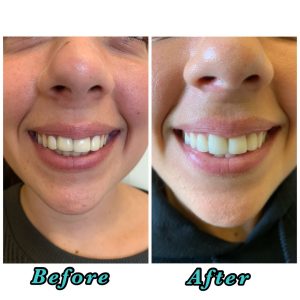
Porcelain veneers offer a transformative solution for aesthetic smile enhancement. These custom-made, thin shells are bonded to the front surface of existing teeth, masking imperfections and creating a natural, improved appearance. Unlike dental implants, veneers address cosmetic concerns; they do not replace a missing tooth.
Veneers are a good fit for patients seeking to correct discoloration, chips, cracks, minor misalignment, or gaps between teeth. The procedure typically involves conservative tooth preparation, making it less invasive than implant surgery. Regular follow-up appointments with your cosmetic dentist are still important, to ensure veneers stay well-fitted and to monitor gum health around the edges.
Porcelain veneers typically last 10 to 15 years before they may need replacement. They are a strong option for patients seeking a brighter, more uniform smile on teeth that are otherwise healthy.
Dental Implants
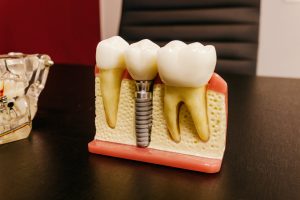
Dental implants are a common way to replace a missing tooth. A titanium post is surgically placed into the jawbone, where it acts as an artificial tooth root and, over time, integrates with the surrounding bone. This post provides a stable foundation for a custom crown, bridge, or denture. The process involves more upfront treatment than veneers but is designed to offer long-term stability.
Beyond restoring appearance, implants can help address a consequence of tooth loss: the jawbone in that area can lose density over time without a tooth root to stimulate it. An implant post can help maintain stimulation to that area of bone, which is one reason dentists often recommend addressing a missing tooth sooner rather than later. Implants also support the position of neighboring teeth, which can otherwise shift into the gap left by a missing tooth.
With consistent care, dental implants are designed to last many years, and for many patients they represent a durable, long-term investment in oral health.
Veneers vs. Dental Implants: A Comparative Overview
| Feature | Porcelain Veneers | Dental Implants |
|---|---|---|
| Primary Purpose | Cosmetic enhancement (stains, chips, gaps, minor misalignment) | Replacing a missing tooth, including the root |
| Procedure | Thin shells bonded to existing teeth; conservative preparation | Surgical placement of a titanium post into the jawbone; requires healing time |
| Longevity | Typically 10 to 15 years | Designed for long-term, many-year use with proper care |
| Impact on Bone Health | No direct impact on the jawbone | Helps maintain stimulation to the surrounding bone |
| Invasiveness | Less invasive | More invasive (surgical procedure) |
| Treatment Timeline | Generally quicker, typically a few appointments | Longer, often several months including healing and integration |
| Ideal Candidate | Patients with healthy teeth seeking aesthetic improvement | Patients with a missing tooth, good oral health, and sufficient jawbone density |
“The first question I ask a patient considering veneers or implants isn't what they want to look like, it's what their teeth actually need. If a tooth is missing, veneers cannot fix that. If every tooth is present and healthy, implants aren't the answer either. Getting that question right up front saves patients time and money.”
Dr. Anne Gershkowitz, DDS, Founder, Sola Dental Spa
Choosing the Right Option at Sola Dental Spa
Both porcelain veneers and dental implants offer strong solutions for enhancing or restoring your smile, but they answer different questions. If you are looking to address cosmetic concerns on teeth you still have, veneers may be the right fit. If you have a missing tooth and want a durable, long-term replacement, dental implants are typically the recommended path, and your dentist may involve a periodontist to evaluate bone health and plan the surgical portion of your care.
At Sola Dental Spa in Staten Island, our team provides thorough consultations to walk through your options. Your path to a confident, healthy smile starts with an informed decision, and we are here to guide you through it.
Frequently asked questions
Can I get veneers if I have a missing tooth?
Veneers cover the front surface of an existing tooth; they cannot replace one that is missing. If a tooth is missing, your dentist will discuss implant or bridge options for that specific tooth, and veneers can still be used elsewhere for cosmetic goals.
Are dental implants more painful than veneers?
Both procedures use local anesthesia so you should not feel pain during treatment. Implants involve a surgical placement, so some post-procedure soreness is more typical than after a veneer preparation appointment.
Which option costs more?
Veneers generally involve a lower cost per tooth than implants, but implants address a different problem, replacing a missing tooth and its root, so the two are not directly comparable investments. Your dentist can walk you through cost for your specific case.
Can I have both veneers and implants?
Yes. Many patients combine an implant to replace a missing tooth with veneers on their remaining teeth to achieve a uniform smile. Your dentist can help sequence treatment appropriately.
How do I know which option is right for me?
A consultation is the best starting point. Your dentist will evaluate which of your teeth are healthy versus missing, review your oral health history, and recommend the option, or combination of options, that fits your goals.
If you are weighing veneers against dental implants, schedule a consultation with the team at Sola Dental Spa in Staten Island to find the right path for your smile.