
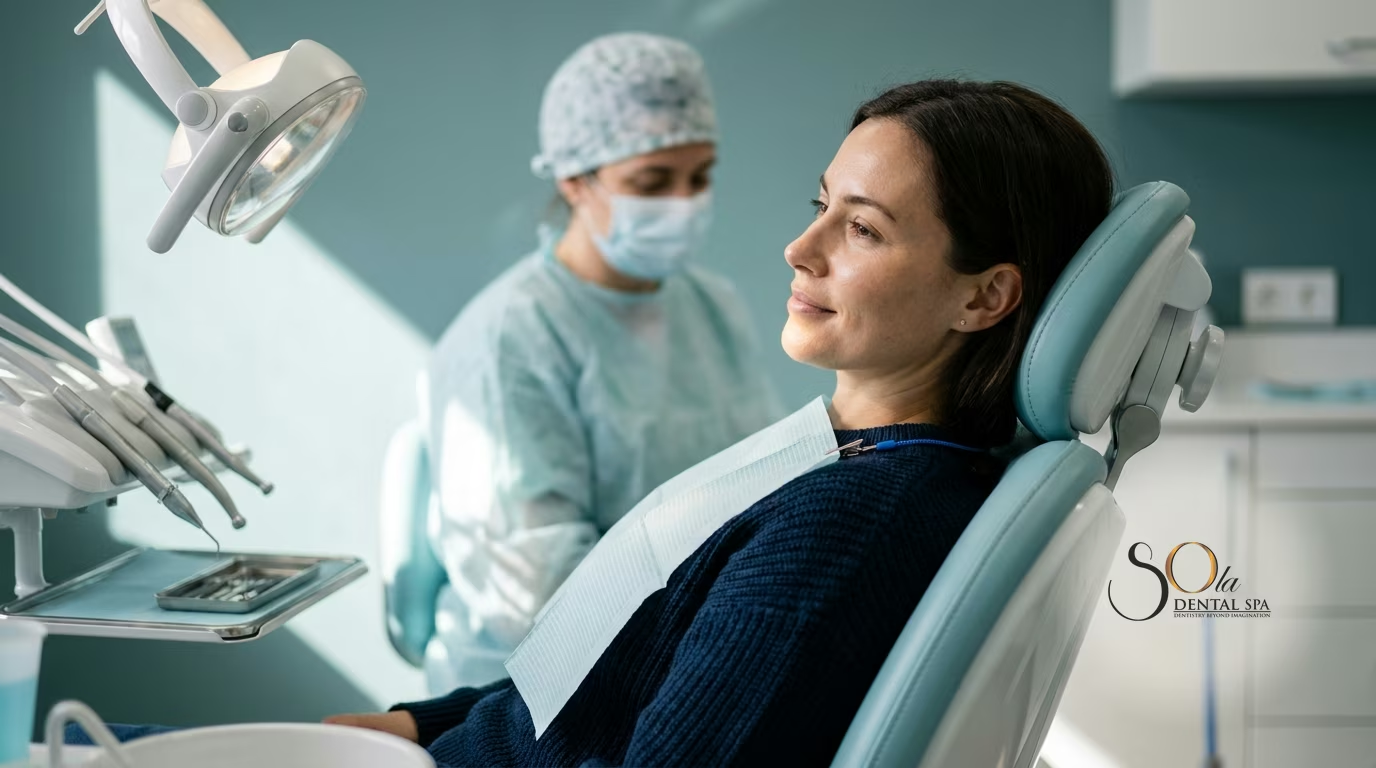
Wisdom teeth removal surgery at Sola Dental Spa is a same-visit oral surgery procedure in which Dr. Daniel Nejat, DMD, a board-certified periodontist, removes one or more third molars under local anesthesia or sedation, then guides Staten Island patients through a short, structured recovery. Most patients are back to normal light activity within a few days once they understand what the appointment, the anesthesia, and the healing window actually involve. If you are weighing whether it is time to have your wisdom teeth taken out, a consultation through our services page is the place to start.
Wisdom teeth removal is a routine oral surgery that takes 30 to 60 minutes per tooth, is done under local anesthesia or sedation, and is followed by three to five days of guided rest, soft foods, and swelling control before you are back to normal activity.
"Most patients build this appointment up in their minds far more than it deserves. Once we have reviewed your X-rays and picked the right anesthesia approach for you, the surgery itself is usually the easiest part. It is the days afterward, and following the aftercare instructions, that determine how smooth your recovery will be."
Dr. Daniel Nejat, DMD, Board-Certified Periodontist (Diplomate, American Board of Periodontology), Sola Dental Spa
One recent patient, a college student home for the summer, put off her wisdom teeth for two years because she pictured the worst. She was surprised that the appointment itself was over before lunch, and that the hardest part of the whole experience was resisting the urge to use a straw for the first few days.
How do you prepare for wisdom teeth removal surgery?
Preparation starts with a consultation and imaging to map the position of the teeth, followed by a pre-surgery checklist covering food, medication, and a ride home if sedation is used.
Before the surgery date, Dr. Nejat reviews a panoramic X-ray or 3D scan to see exactly how each wisdom tooth sits relative to nerves, sinuses, and neighboring teeth. This determines whether the extraction will be straightforward or whether a tooth is impacted and needs a small surgical approach. Patients are asked to eat a normal meal beforehand if only local anesthesia is planned, or to fast for a set window if sedation is involved, and to arrange a ride home in that case since driving after sedation is not safe.
What actually happens during the procedure?
The area is numbed or the patient is sedated, the tooth is loosened and removed, and any incision is closed, with the entire visit typically finished in under an hour.
Once anesthesia has taken effect, Dr. Nejat gently loosens the tooth from the surrounding bone and ligament and lifts it free. Impacted teeth that have not fully erupted may require a small incision in the gum tissue, which is closed afterward with dissolvable sutures. Patients under local anesthesia stay awake and comfortable throughout, while those choosing sedation typically remember little to nothing of the procedure itself.
How long does recovery from wisdom teeth removal take?
Most patients feel noticeably better within three to five days, with full soft-tissue healing continuing over the following two weeks.
Swelling and tenderness usually peak around the second day and ease steadily from there. Simple extractions tend to heal faster than impacted ones, and following the aftercare plan, including rinsing gently with warm salt water once the first 24 hours have passed, helps the socket close cleanly. Related reading on how to care for your mouth after oral surgery covers the day-by-day aftercare in more detail.
What are the risks if wisdom teeth are left in place?
Wisdom teeth that stay impacted or partially erupted can crowd neighboring teeth, trap bacteria, and become painful or infected over time.
Not every wisdom tooth needs to come out. Some erupt fully, sit in a healthy position, and can be cleaned normally, in which case Dr. Nejat may recommend simply monitoring them. Teeth that are angled against the neighboring molar or only partially break through the gum are harder to keep clean and more prone to decay, gum inflammation, or infection, which is usually the deciding factor in recommending removal.
| Extraction type | Typical time in the chair | Recovery outlook |
|---|---|---|
| Fully erupted tooth | 15 to 30 minutes | A few days of mild soreness |
| Partially erupted or impacted tooth | 30 to 60 minutes | Three to five days of guided recovery |
Frequently asked questions
Will I be awake during my wisdom teeth removal?
It depends on the option you choose. Many Staten Island patients do fine with local anesthesia and stay awake and comfortable, while others prefer sedation for a more impacted case or for peace of mind.
How many wisdom teeth get removed at once?
It varies by patient. Some people have all four removed in a single visit, while others only need one or two taken out depending on how they are positioned.
When can I go back to work or school after surgery?
Many patients take two to three days off, though this depends on how physical your job or schedule is and how your individual recovery goes.
What should I eat the first few days?
Soft, cool foods like yogurt, mashed potatoes, and smoothies eaten with a spoon, not a straw, are the standard recommendation while the socket starts to heal.
Does dental insurance cover wisdom teeth removal?
Coverage varies widely by plan. Our team can help you understand your specific benefits before your procedure date.