
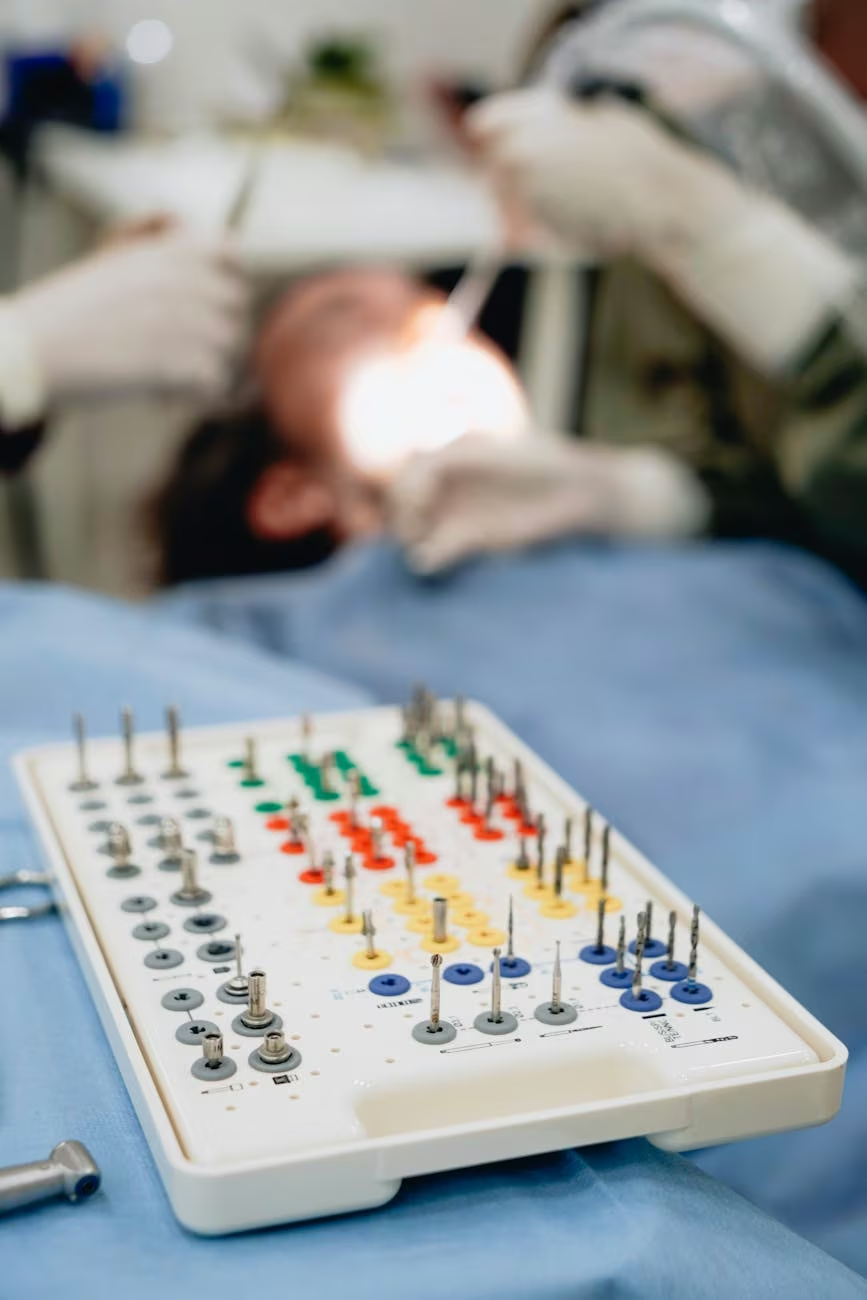
Dental implant surgery involves placing a titanium post into the jawbone under local anesthesia or sedation, then allowing the bone to heal around it before the abutment and crown are attached. At Sola Dental Spa in Staten Island, Dr. Daniel Nejat walks every patient through what to expect before, during, and after surgery so there are no surprises on procedure day. Most patients manage the recovery well with prescribed or over-the-counter pain relief and a short stretch of soft foods.
How Should I Prepare for Dental Implant Surgery?
Your dentist will give you specific pre-operative instructions based on your health history and the type of sedation planned. If you are having the procedure under local anesthesia only, you can typically eat normally beforehand. If you are having heavier sedation, you will likely be asked to avoid food and drink for a set period before your appointment, so confirm the exact timing with your dental team.
It is also worth arranging a ride home if you are being sedated, since you should not drive until the effects fully wear off. For background on implants generally, see our article on what dental implants are and how they work.
What Happens During the Implant Procedure?
Guided surgery, which uses a custom surgical template based on imaging of your jaw, is a common approach because it is less invasive and generally more precise than freehand placement. Implant placement typically follows several steps, often spread across more than one appointment to allow healing time between stages.
| Step | What Happens |
|---|---|
| Tooth removal | If a damaged tooth remains, it is extracted to make room for the implant |
| Jaw preparation | If bone density is insufficient, a bone grafting procedure may be done first |
| Implant placement | A titanium post is placed into the jawbone to serve as the artificial tooth root |
| Abutment placement | Once the implant has integrated with the bone, a connector piece is attached |
| Crown placement | A custom-made crown is attached to the abutment, completing the restoration |
Any existing issues with neighboring teeth, such as decay or root damage, are typically addressed before implant placement so the surrounding teeth do not undermine the result.
What Does Recovery Look Like in the First Few Days?
Discomfort is common as anesthesia and sedation wear off, and your dentist may prescribe pain medication or recommend an over-the-counter option. Some bleeding is normal in the hours after surgery and usually eases on its own; contact your dentist if bleeding seems heavier than expected or does not settle down. Soft foods, limited physical activity, and gentle oral hygiene around, not directly on, the surgical site support the first stage of healing.
“The surgery itself is usually the easy part. What determines how smoothly recovery goes is what happens in the days afterward: sticking to soft foods, keeping the area clean without disturbing it, and calling us if something feels off instead of waiting.”
Dr. Daniel Nejat, DMD, Board-Certified Periodontist (Diplomate, American Board of Periodontology), Sola Dental Spa
What Happens in the Weeks After Surgery?
Swelling and soreness are typically most noticeable early on and improve gradually. A follow-up visit is usually scheduled within the first couple of weeks so your dentist can check healing and remove any non-dissolving sutures. Most patients can resume brushing directly around the implant site and return to a fuller diet around this point, though your dentist will confirm based on how your specific case is healing.
Full integration of the implant with the jawbone, called osseointegration, continues in the background over the following months. For ongoing care once healing is complete, see our article on how to care for dental implants.
What Are the Risks of Dental Implant Surgery?
As with any surgical procedure, dental implants carry some risk of complications, though serious problems are uncommon with an experienced provider and good aftercare.
- Infection: pain, swelling, or redness that worsens instead of improving may signal infection and needs prompt attention.
- Implant failure: poor integration with the bone can require additional treatment or, in some cases, re-implantation.
- Nerve or tissue effects: numbness or tingling near the surgical site is assessed and discussed with you before surgery.
- Sinus involvement: upper jaw implants are planned with the sinus in mind to avoid complications.
Choosing an experienced implant provider, following pre- and post-operative instructions closely, and keeping up with follow-up visits all reduce these risks meaningfully.
What Affects How Well an Implant Heals Long Term?
Bone quality is one of the biggest factors in how predictably an implant heals, which is why imaging and bone assessment are part of your evaluation before surgery. Where the implant is placed in the mouth, your overall health, and habits like smoking also play a role. Smoking in particular restricts blood flow to healing tissue and is one of the more significant risk factors for complications, so cutting back, or ideally quitting, meaningfully improves your odds of a smooth outcome. An experienced implant provider who plans carefully around your specific anatomy also makes a measurable difference.
Frequently asked questions
How long does dental implant surgery take?
It depends on how many implants are being placed and whether additional procedures like bone grafting are needed at the same time. Your dentist will give you a specific estimate based on your treatment plan.
Is dental implant surgery painful?
The procedure itself is performed under local anesthesia or sedation, so you should not feel pain during surgery. Some soreness afterward is normal and is typically managed with prescribed or over-the-counter pain relief.
How soon can I return to work after implant surgery?
Many patients return to a desk job within a day or two, though your dentist may recommend more downtime depending on the extent of the surgery and how you are healing.
Will I need a bone graft before my implant?
Only if imaging shows your jawbone does not have enough density or volume to support the implant securely. Your dentist will determine this during your pre-surgical evaluation.
What happens if an implant fails to integrate?
It is uncommon, but if an implant does not integrate properly, your dentist will discuss next steps, which may include additional healing time, a different implant approach, or re-implantation after the site recovers.