What implants cost and what drives the price, how long they really last, what the surgery and recovery actually feel like: answered with clinical evidence. Placed by a board-certified periodontist, finished by a cosmetic designer.
Permanent dental implants
Rediscover your smile with confidence.
Experience the natural look, feel, and function of a complete, healthy smile.
✓ Same-day options
✓ Sunday hours
✓ Board-certified periodontist
Dr. Daniel Nejat, a periodontist, places the implant. Dr. Anne Gershkowitz designs the tooth that goes on it. Both happen here, with no mid-treatment referral to an outside office.
Meet the board-certified periodontist in Staten Island →Qualifying cases leave with a temporary tooth the same day, planned with in-house 3D-guided imaging.
Dr. Nejat is certified in LANAP® and Pinhole® techniques, minimally invasive approaches linked to faster recovery.
If you have been told there is not enough bone, grafting and sinus lifts are done here, so bone loss does not end the conversation.
Single-tooth implants run $3,000 to $4,500, with financing and major insurance accepted, confirmed before treatment begins.
Paraffin hand treatments, aromatherapy, and noise-canceling headphones come with the same visit as the surgery.
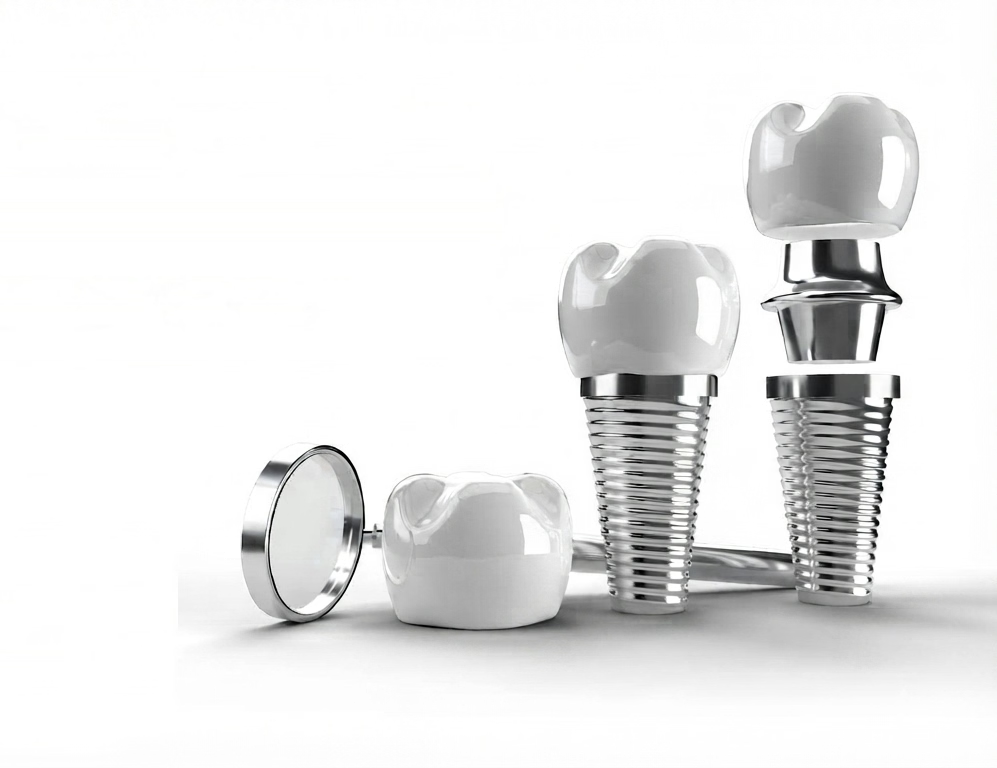
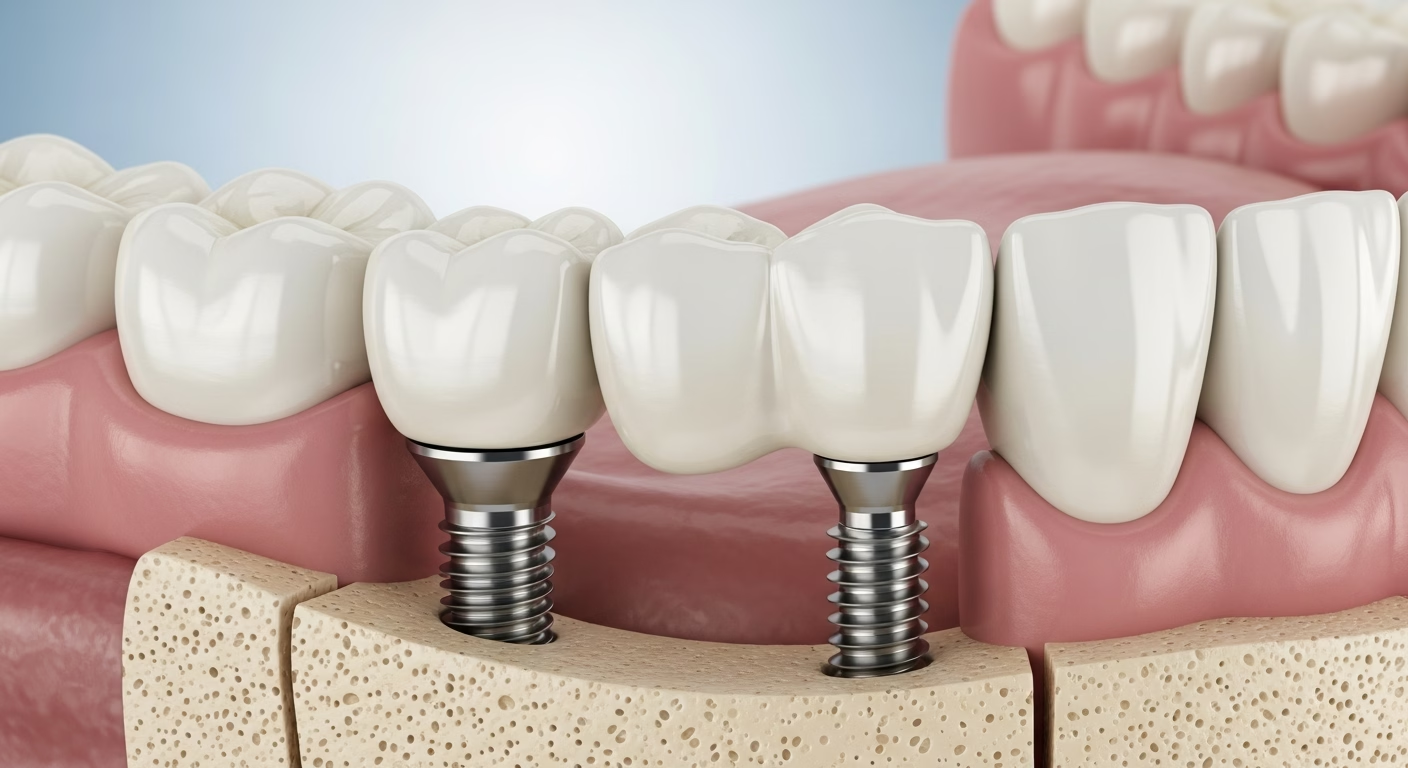
Because it replaces the root, an implant preserves the jawbone, restores full chewing power, and leaves the neighboring teeth untouched. It has three parts.
A small threaded post placed in the jawbone. Bone grows onto it the way it anchors a natural root, which keeps the bone from the sunken look that follows tooth loss.
A small abutment that joins the healed post to the new tooth, just above the gum line.
A crown, bridge, or full arch, designed by Dr. Gershkowitz to match the proportion, color, and light of your natural teeth.
The right setup depends on how many teeth are missing, your bone, and your timeline. We place all of them, and the consultation tells you which one is yours.
Dentures sit on top of the gums and give back only a fraction of natural chewing power. Implants are anchored in the jawbone, which preserves bone, restores a fuller range of chewing, and can last 25 years or more with proper care.
A CBCT scan maps your bone first. Placement is computer-guided under local anesthesia, with sedation available. Front-of-mouth cases leave with a temporary tooth, so there is no visible gap.
One visitYour jawbone fuses to the post, and that fusion is what makes the implant permanent. Initial healing takes about a week; full fusion runs three to nine months while you live normally, and the implant is usually integrated and ready for its crown by about month six.
3–9 monthsThe abutment and the final crown, bridge, or arch, designed by Dr. Gershkowitz, usually about an hour. Then it works like a tooth, because structurally it is one.
~1 hourQualifying cases compress this: same-day placement with an immediate temporary is a Sola Dental Spa signature service.
Bone loss does not have to end the conversation about implants. When there is not enough bone to hold a post, it can be rebuilt first.
Grafting rebuilds the jaw so it can support an implant. It is usually needed when:
When is bone grafting needed?
The procedure is minimally invasive and uses biocompatible material that prompts your body to grow its own bone. Within three to six months, most patients have enough bone volume for placement.
For upper back teeth, the maxillary sinus can sit too close to the jaw for a standard implant. A sinus lift gently raises the sinus floor and builds bone to support placement. It fits patients who:
Perfect for patients who:
Reported success for the procedure runs above 95 percent, and it opens implants to patients who were told there was not enough bone.

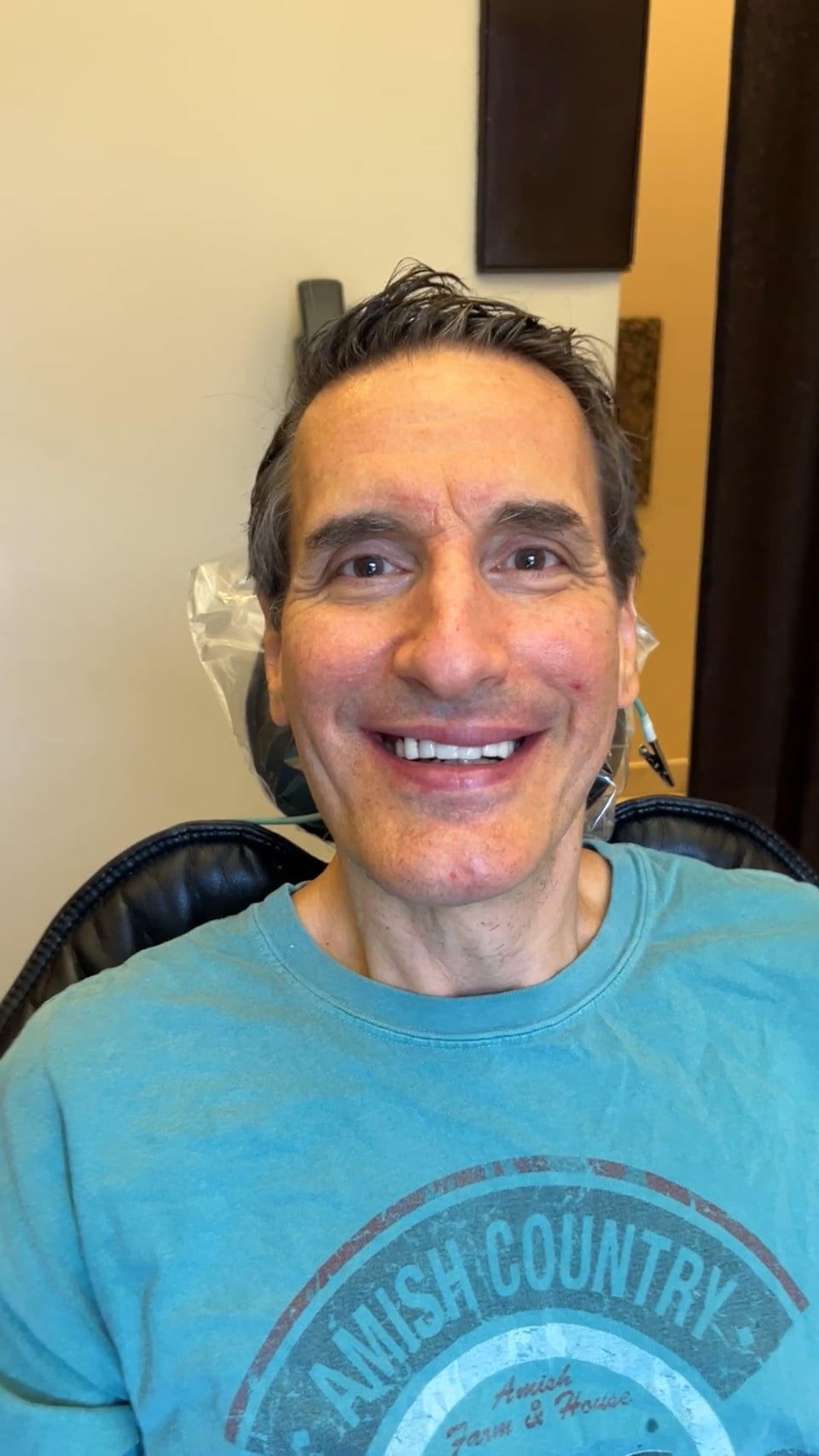
“I can finally eat and smile with confidence.”
Watch the patient's story →Every clinical step, from consultation through design, placement, and restoration, is paired with a spa amenity, so the visit feels considered from arrival to departure.
Not during: the gums are fully numbed, and sedation is available if you want it. Afterward, expect mild soreness and swelling for a few days, usually handled with over-the-counter pain relievers. Most patients say it is easier than the extraction that came before it.
The implant itself can last a lifetime with normal hygiene and regular checkups; systematic reviews put 10-year survival around 95 percent. The crown on top is the wear part, so plan on replacing it around the 15-year mark.
Most adults with enough healthy jawbone are. Active gum disease, untreated decay, and smoking work against success, and where bone has receded, grafting or a sinus lift can rebuild it. Even if another office told you no, a 3D scan gives a definitive answer.
Whether grafting is needed, the architecture (single, bridge, or full arch), the restoration material, and sedation. We verify your insurance, apply it, and finance the balance; most patients qualify for 0% plans from roughly $185 a month through CareCredit.
Your all-inclusive number is locked at the consultation, before any work begins.
Estimated payment based on a $4,500 implant on a 60-month standard CareCredit plan for a qualified borrower. Your rate may vary.
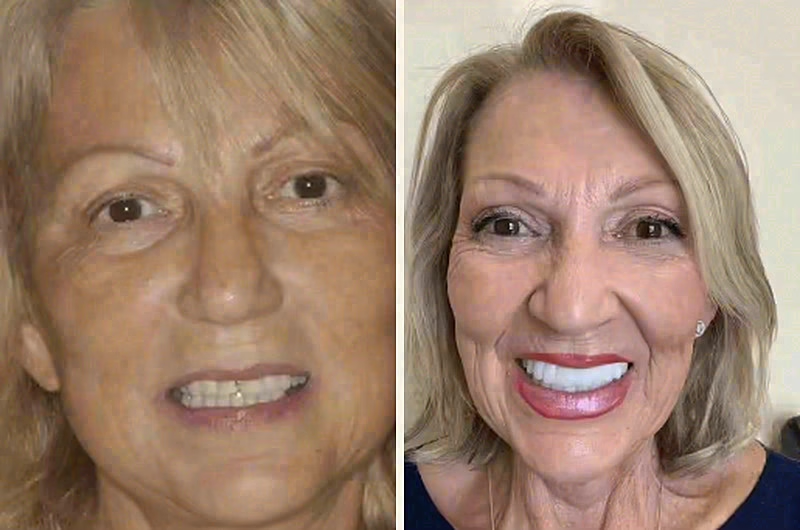
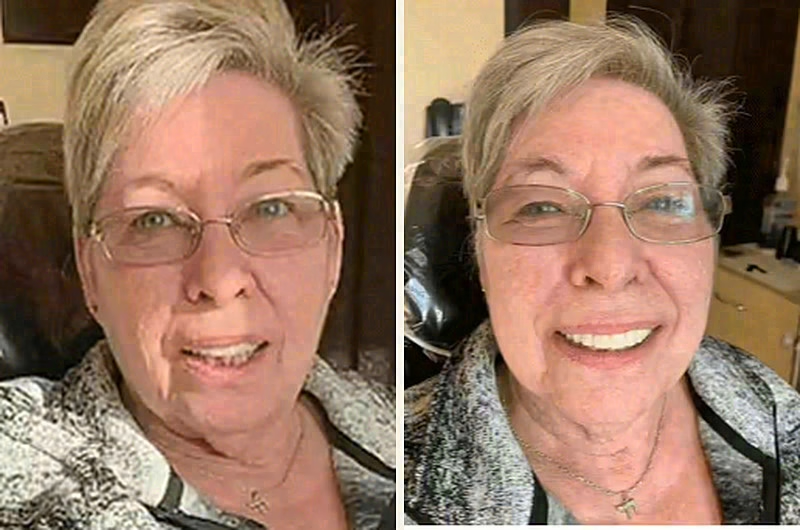
When the surgeon and the restoring dentist work in different offices, your case is handed between them. Here the same two doctors own it end to end: the surgical foundation and the cosmetic result.
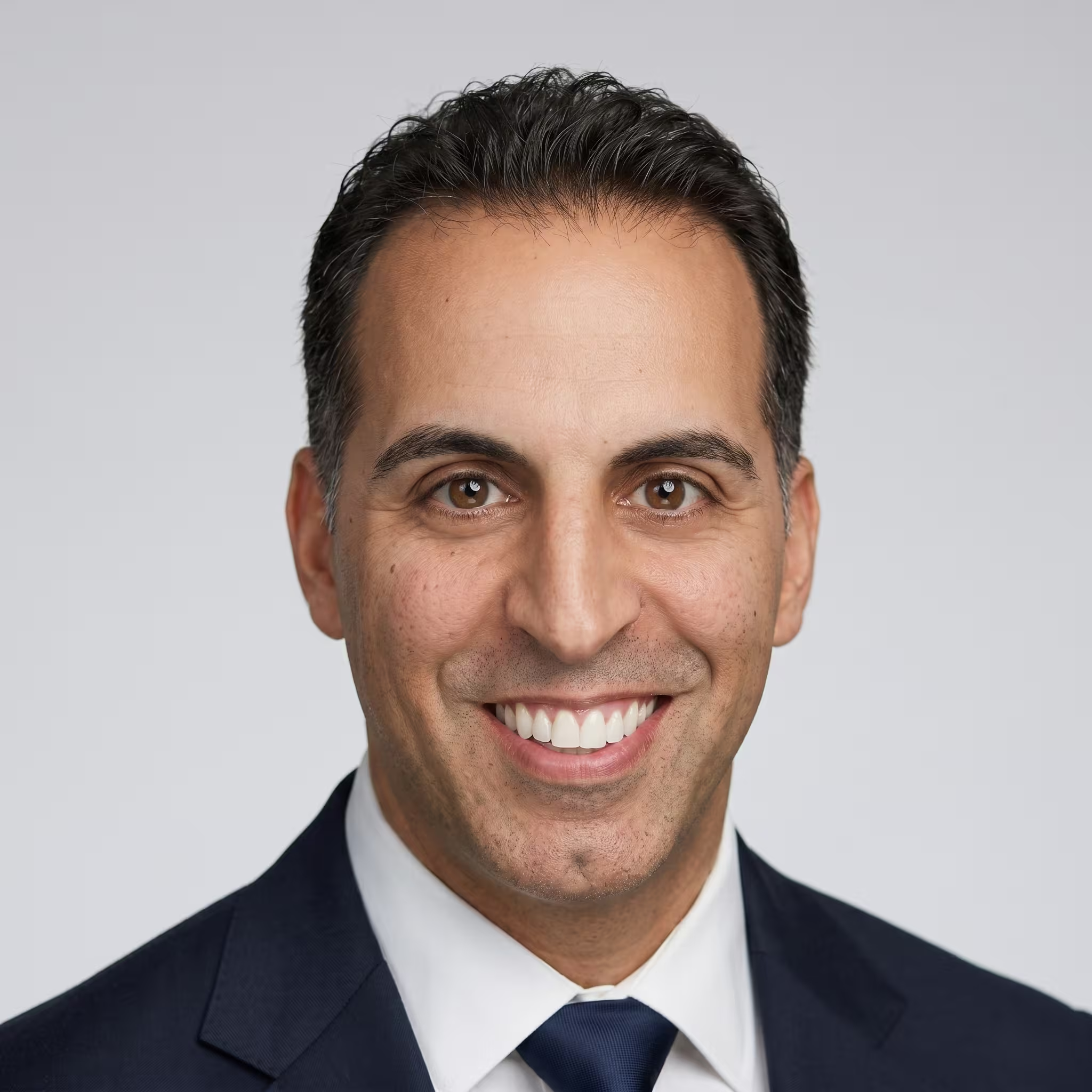

Across the dual-specialty workflow, the practice reports a 98% implant success rate. Your candidacy and plan are confirmed with a 3D scan in one visit.
Candidacy, the right implant architecture, and your locked all-inclusive cost, settled in a single consultation, even if you have been told no elsewhere.
Book your consultation