
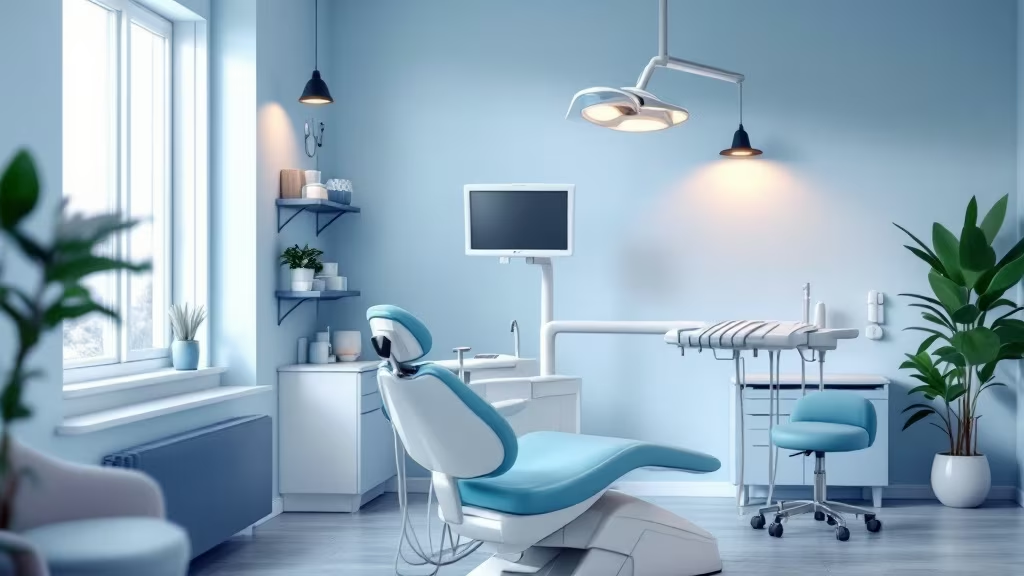
Dentists help patients with dental anxiety through open communication, a slower pace, comfort focused surroundings, and sedation options when they are needed. At Sola Dental Spa in Staten Island, Dr. Anne Gershkowitz, DDS, designed the entire practice around this idea, which is why it is a dental spa and not just a dental office. Anxiety is not a reason to skip care, it is something we plan for. If you have been putting off a visit, you can see everything we offer on our services page.
Modern dentists treat anxiety as part of the appointment, not an inconvenience. That means talking through every step before it happens, agreeing on a stop signal, offering headphones and other comforts, and using sedation for patients who need deeper relaxation.
“The most important thing I do for an anxious patient happens before I ever pick up an instrument. We sit, we talk, and they tell me what went wrong for them in the past. Once someone knows they are in control of the appointment, the fear starts losing its grip.”
Dr. Anne Gershkowitz, DDS, Founder, Sola Dental Spa
A patient once told us she had not seen a dentist in nine years after a rough experience as a teenager. For her first visit, we did nothing but talk, look, and take images. No treatment, no surprises. She came back the next week for a cleaning, and months later she finished the restorative work she had been dreading for nearly a decade. The work itself was routine. Building the trust was the real treatment.
Why does dental anxiety happen in the first place?
Most dental anxiety traces back to a bad past experience, fear of pain, embarrassment about the state of your teeth, or feeling trapped and out of control in the chair.
None of those reactions are irrational, and none of them are rare. The problem is the cycle they create. Avoiding the dentist lets small problems grow into bigger ones, and bigger problems mean longer, more involved visits, which feed the fear. The American Dental Association recommends practical strategies like telling your dental team about your anxiety, agreeing on a hand signal, and using breathing techniques, all outlined on its MouthHealthy anxiety page. We build every one of those strategies into how we run appointments.
What do dentists actually do differently for anxious patients?
A practice that takes anxiety seriously changes the appointment itself: more explanation, more pauses, more patient control, and an environment that does not look or feel clinical.
At Sola Dental Spa, the spa part is not decoration. It is a set of deliberate choices that lower the temperature of the visit before treatment even begins.
What are your options if talking is not enough?
Comfort measures come first, then sedation dentistry is available for patients whose anxiety does not respond to pacing and environment alone.
There is a spectrum of support, and most patients need far less of it than they expect.
| Approach | Best for | What it feels like |
|---|---|---|
| Communication and pacing | Mild nerves, fear of the unknown | You know each step before it happens |
| Comfort amenities | Sensory triggers like sounds and smells | Music, warmth, and a calmer room |
| Mindfulness and breathing | Racing thoughts in the chair | Slower breathing, steadier heart rate |
| Sedation dentistry | Strong anxiety or long procedures | Deep relaxation through the visit |
One practical note: sedation appointments take a little planning, including a review of your health history and medications, and for some options a ride home afterward. That is part of why the conversation always comes first. When we understand how your anxiety shows up, whether it is the sounds, the waiting, or the feeling of losing control, we can match the lightest tool that actually works for you instead of jumping straight to the strongest one. If you want to go deeper on any of these, we have a full guide on managing dental anxiety during procedures and an honest look at alternatives to sedation dentistry.
Frequently asked questions
Is dental anxiety something to be embarrassed about?
Not at all. We hear it every week from patients across Staten Island, including plenty of adults who have avoided care for years. Telling us is the single most useful thing you can do, because it changes how we run your visit.
Should I tell the office about my anxiety when I book?
Yes, please do. It lets us schedule extra time, start with a conversation instead of a procedure, and note your preferences so you never have to explain yourself twice.
Can I just come in for a talk before committing to treatment?
Absolutely. Many anxious patients start with a visit that is only an exam and a conversation. You meet the team, see the space, and leave with a plan. Nothing happens until you are ready.
Does sedation dentistry mean being unconscious?
No. Most sedation used for anxiety keeps you awake but deeply relaxed, and the appointment tends to feel much shorter than it is. We walk you through the options and what each one involves before anything is decided.
What if I have not seen a dentist in years and my teeth are in bad shape?
You will not get a lecture at Sola Dental Spa. We see the full range of situations, and our only agenda is a realistic plan to get you comfortable and healthy again, one manageable step at a time.