
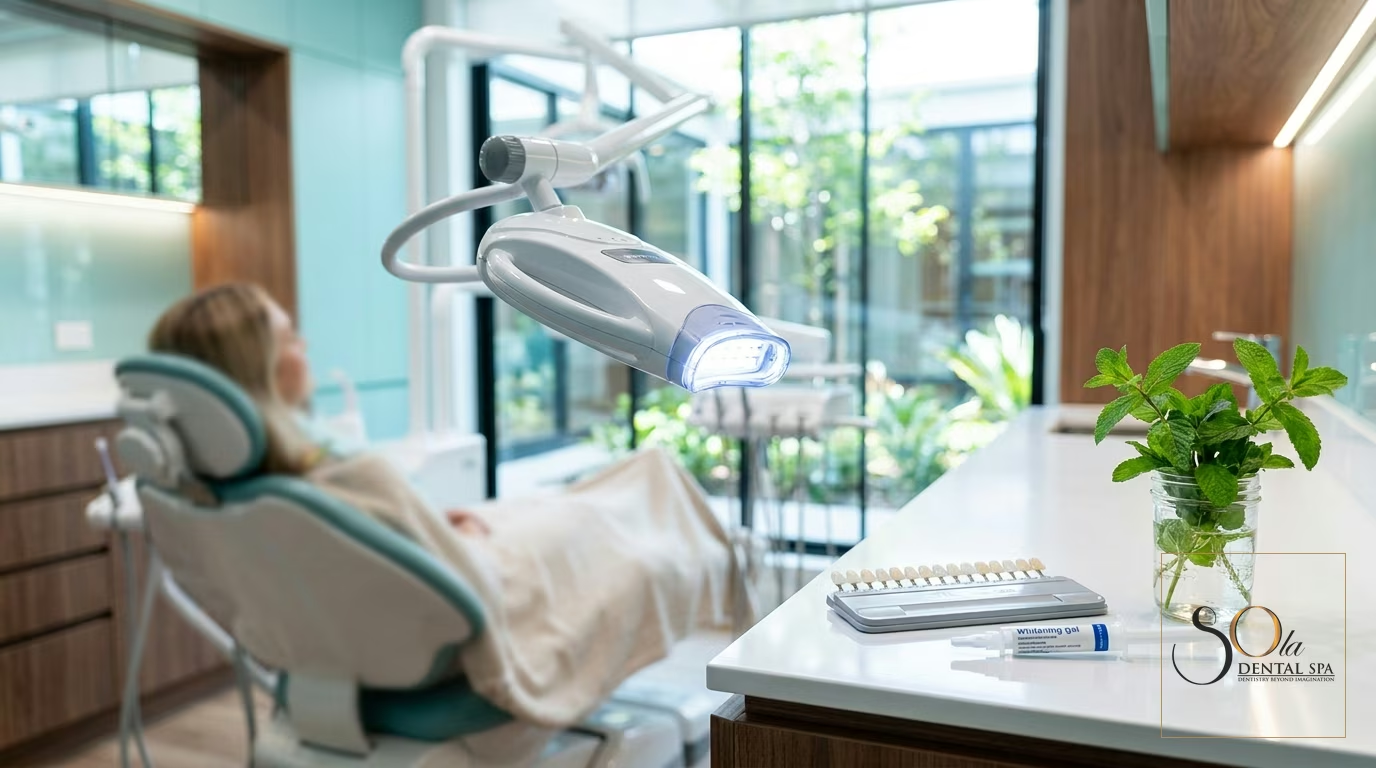
The best way to prevent sensitivity after teeth whitening is to prepare before you start: use a desensitizing toothpaste for about two weeks ahead, whiten under professional supervision, and go easy on temperature extremes for the first two days afterward. At Sola Dental Spa in Staten Island, Dr. Anne Gershkowitz, DDS builds this preparation into every whitening plan, because comfort is what decides whether patients keep their shade up over time. If you are considering brightening your smile, sensitivity planning starts at your whitening consultation at Sola Dental Spa.
Whitening sensitivity comes from peroxide temporarily irritating the nerve inside the tooth. It is common, mild for most people, and short lived. Desensitizing toothpaste before treatment, calibrated gel strength during, and fluoride plus lukewarm foods after keep it manageable or prevent it entirely.
“Sensitivity is the number one reason people quit whitening halfway, and it is the most preventable part of the whole process. When a patient starts a desensitizing paste two weeks out and we match the gel to their history, most tell me afterward they felt nothing at all.”
Dr. Anne Gershkowitz, DDS, Founder, Sola Dental Spa
A patient from Eltingville had abandoned whitening strips twice because of what she called ice pick zingers. Before her in office session with us, she used a potassium nitrate toothpaste for two weeks, and we ran a slightly lower gel concentration with a shorter contact time. She had one mildly sensitive evening, managed with the same toothpaste, and finished the shade change she had given up on twice.
Why does whitening cause sensitivity in the first place?
Peroxide passes through the enamel to break up stains, and along the way it can briefly irritate the pulp, the nerve center of the tooth. Teeth then overreact to hot, cold, and sweet for a short window.
This is an irritation, not an injury, and it is well documented. The American Dental Association notes that mild to moderate sensitivity can occur in up to two thirds of users during the early stages of bleaching, and that with strip or tray treatments it usually resolves within about four days after treatment ends. People with existing recession, thin enamel, or untreated cavities feel it more, which is exactly why an exam comes before gel.
What should you do before whitening?
Start a desensitizing toothpaste about two weeks ahead, get any cavities or gum issues treated first, and tell your dentist about past sensitivity so the gel strength and timing can be adjusted to you.
Desensitizing toothpastes with potassium nitrate work by calming the nerve response, and they need consistent use to build up their effect, which is why the head start matters. If you are choosing one, our guide to the best toothpaste for sensitive teeth breaks down the options. At your consultation we also review your dental work, since gel behaves differently around fillings and exposed root surfaces.
What helps in the first 48 hours after whitening?
Keep foods and drinks lukewarm, skip acidic items, brush gently with a soft brush and desensitizing or fluoride toothpaste, and let the teeth settle. Most sensitivity fades on its own within days.
Temperature extremes are the main trigger, so let the coffee cool and skip the ice for a couple of days. Acid makes the surface more reactive, so hold the citrus and vinegar dressings too. Conveniently, the same pale menu that protects your new shade also tends to be gentle, and our post on the best foods to eat after teeth whitening doubles as a comfort guide for this window.
| Timeline | What you might feel | What to do |
|---|---|---|
| During treatment | Occasional brief zingers | Tell us, we adjust gel or timing on the spot |
| First 24 hours | Most reactive window | Lukewarm foods, desensitizing paste, no acid |
| Days 2 to 4 | Steadily fading reaction | Keep the routine, ease back to normal |
| Beyond one week | Should feel normal | If not, call Sola Dental Spa for a check |
Frequently asked questions
Does sensitivity mean the whitening damaged my teeth?
No. Temporary sensitivity is a nerve irritation, not structural damage, and it fades as the tooth settles. Enamel is not harmed by properly used professional whitening.
Can I take something for the discomfort?
Most patients do fine with desensitizing toothpaste alone. If you want more support, ask us at your visit and we will recommend what fits your health history rather than guessing at the pharmacy shelf.
Are at home strips worse for sensitivity than in office whitening?
Not inherently, but they are unsupervised. Nobody adjusted the plan to your teeth, and overlapping applications add up. If strips have stung you before, that is a sign to whiten with an exam and a protocol instead.
My teeth are already sensitive. Should I skip whitening altogether?
Usually not. Sensitive teeth need a modified plan, lower concentration, shorter sessions, and longer preparation. Plenty of our most sensitive Staten Island patients whiten comfortably this way.
How soon after whitening can I get back to hot coffee and ice cream?
Give it about two days, then reintroduce gradually. If a test sip feels fine, you are clear. If it zings, wait another day or two and keep up the desensitizing paste.