
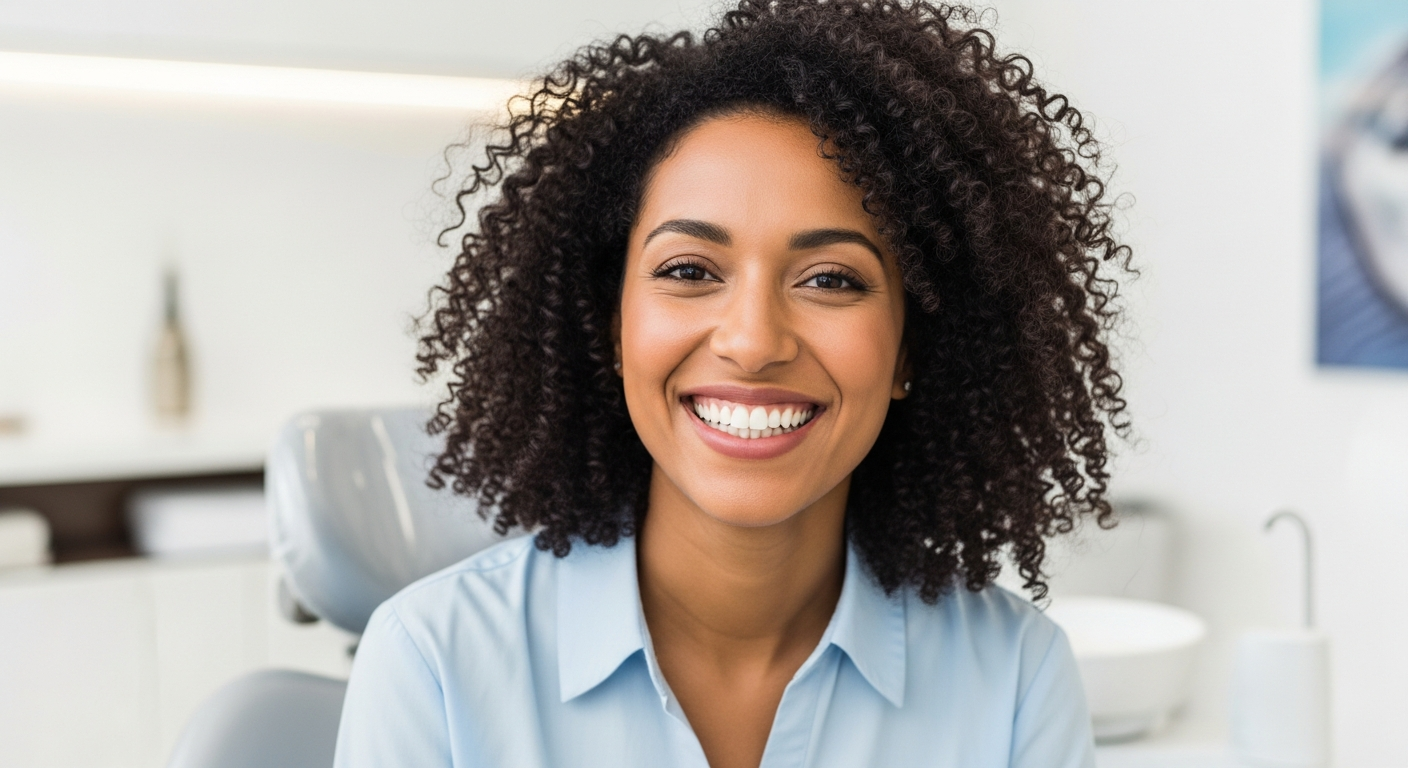
Yes, a smile makeover can meaningfully improve self-esteem, especially for people who have spent years covering their mouth when they smile or laugh. At Sola Dental Spa in Staten Island, Dr. Anne Gershkowitz sees this shift regularly: patients who once felt self-conscious about chipped, discolored, or crooked teeth often describe feeling more at ease in photos, conversations, and social settings once treatment is complete. The connection between how your smile looks and how confident you feel is one of the main reasons patients pursue cosmetic dentistry in the first place.
How Does a Smile Makeover Affect Self-Esteem?
A smile makeover is not one single procedure. It is a combination of treatments, chosen for your specific teeth, that work together to address the issues bothering you most. For many patients, the psychological impact comes less from any single change and more from no longer thinking about their teeth during everyday interactions. When a smile stops being something to manage or hide, people tend to smile more freely, which shapes how they come across in conversations, interviews, and photos.
Dental researchers studying self-perceived appearance have found a link between how people rate their own dental aesthetics and their broader sense of well-being. That does not mean cosmetic treatment is a substitute for addressing self-esteem more broadly, but for people whose main source of self-consciousness genuinely is their teeth, closing that specific gap can make a real difference.
Which Cosmetic Procedures Are Part of a Smile Makeover?
| Procedure | What It Addresses | Typical Use |
|---|---|---|
| Porcelain veneers | Chips, discoloration, minor misalignment | Thin custom shells bonded to the front of teeth |
| Dental bonding | Small chips, gaps, uneven edges | Tooth-colored resin sculpted directly onto the tooth |
| Professional teeth whitening | Staining and discoloration | In-office or dentist-supervised treatment |
Your dentist will recommend a combination based on an exam of your teeth, gums, and bite, not a one-size-fits-all package. Some patients only need whitening to feel like themselves again; others benefit from a mix of veneers and bonding to correct shape as well as color.
Beyond Appearance: Functional Benefits of a Smile Makeover
Many smile makeover treatments also support the health of your teeth, not just their appearance. Correcting a misaligned bite can make chewing more efficient and reduce uneven wear on individual teeth. Straighter, more evenly aligned teeth are also easier to clean thoroughly, which can lower the risk of decay and gum disease over time. The cosmetic and functional benefits tend to reinforce each other: a smile that looks better is often also easier to maintain.
“I have watched patients change the way they carry themselves after a smile makeover, not because their teeth are perfect, but because they finally stopped worrying about them. That confidence shows up everywhere, in how people talk, laugh, and show up for the moments that matter to them.”
Dr. Anne Gershkowitz, DDS, Founder, Sola Dental Spa
What Happens During a Smile Makeover Consultation?
A smile makeover always starts with a consultation, not a treatment plan handed to you sight unseen. Your dentist examines your teeth, gums, and bite, discusses what specifically bothers you about your smile, and talks through realistic options given your dental health and goals. This is also the point where any underlying issues, like a cavity or early gum disease, get addressed first, since cosmetic work is built on a foundation of healthy teeth and gums.
From there, your dentist puts together a plan tailored to you, whether that means a single whitening treatment or a more involved combination of veneers and bonding. To read more about how these procedures work together, see our article on how cosmetic dentistry shapes smile makeovers.
How Long Do Smile Makeover Results Last?
Longevity depends heavily on which procedures you choose and how well you maintain them afterward. Whitening results fade gradually and typically need periodic touch-ups. Bonding and veneers last considerably longer with consistent oral hygiene and regular dental visits, though the exact timeline varies by patient and by material. Your dentist can give you a realistic estimate based on your specific treatment plan rather than a generic number that may not apply to your case.
Whatever combination of treatments you choose, the psychological benefits tend to be most durable when paired with a maintenance routine, good home care plus the checkups your dentist recommends, so the results keep looking and feeling the way you intended.
Frequently asked questions
Is a smile makeover purely cosmetic, or does it help oral health too?
Both. Many smile makeover procedures also improve function, such as correcting bite alignment or making teeth easier to clean, alongside their cosmetic benefits.
Do I need multiple procedures for a smile makeover?
Not necessarily. Some patients achieve the results they want with a single treatment like whitening, while others benefit from combining veneers, bonding, or orthodontics. Your dentist will recommend only what fits your goals and dental health.
Will a smile makeover look natural?
Yes, when planned carefully. Your dentist considers your facial structure, existing tooth shade, and proportions so the final result complements your face rather than looking uniform or artificial.
How do I know if I am a good candidate for a smile makeover?
Good candidates generally have healthy teeth and gums, or are willing to address issues like cavities or gum disease first. A consultation is the best way to find out which options apply to your specific situation.
Can a smile makeover help with confidence in professional settings?
Many patients report feeling more comfortable smiling in interviews, presentations, and everyday work interactions after treatment, though results and experiences vary by individual.