
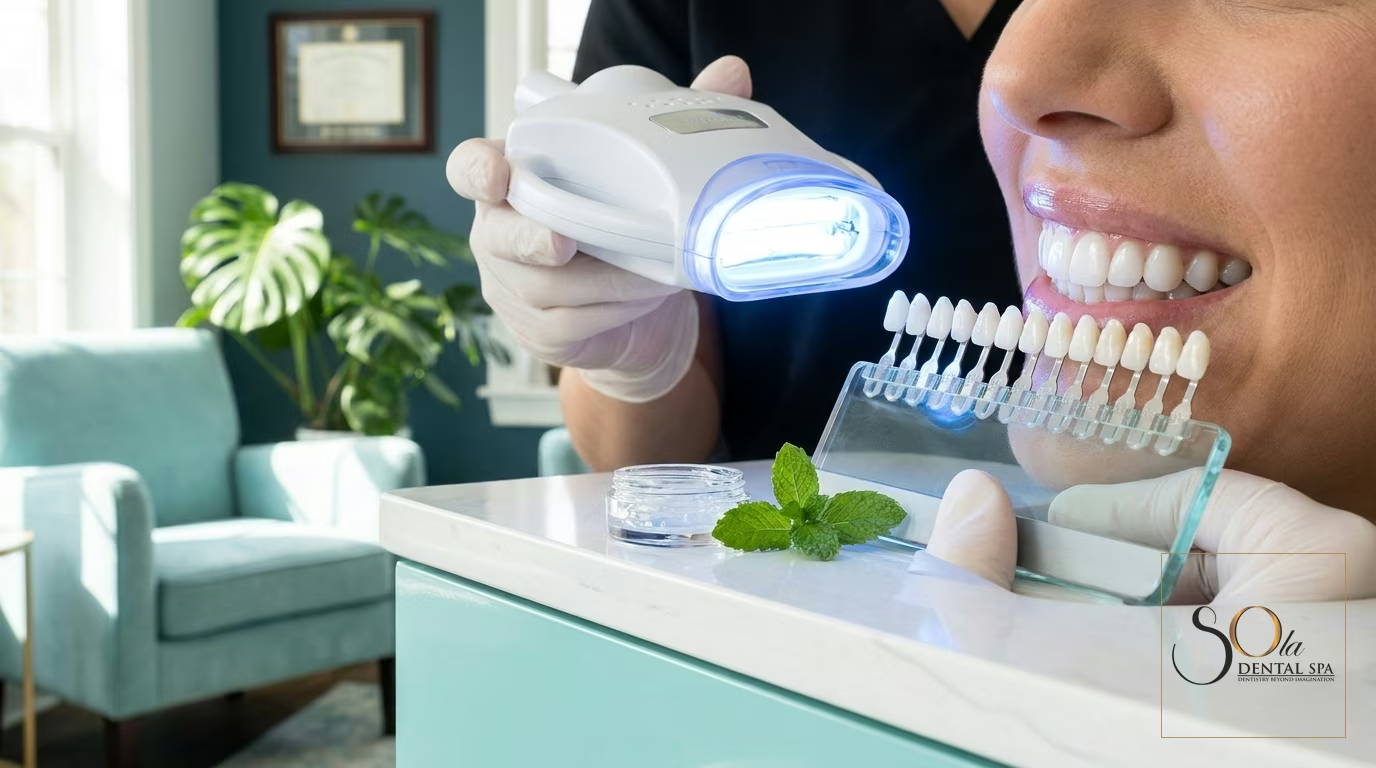
Teeth whitening works because peroxide passes into the tooth surface and breaks stain molecules into smaller, lighter pieces, so the tooth looks brighter without its structure being changed. At Sola Dental Spa in Staten Island, Dr. Anne Gershkowitz, DDS supervises professional whitening so the gel concentration, contact time, and gum protection are matched to your enamel instead of a one-size instruction sheet. Once you understand the chemistry, the differences between drugstore kits and supervised treatment become much clearer. You can see how whitening fits into a complete smile plan on our services page.
Whitening products rely on hydrogen peroxide or carbamide peroxide. These bleaches move through enamel and break apart the colored compounds inside the tooth, making the color less concentrated. Strength, contact time, and supervision decide how far and how comfortably the shade changes.
“Whitening is a controlled chemical reaction, not a coat of paint. When I examine a patient first, I can predict how their particular stains will respond, protect the gums, and choose a concentration that brightens without needless sensitivity. The chemistry is the same everywhere. The judgment is not.”
Dr. Anne Gershkowitz, DDS, Founder, Sola Dental Spa
A patient from Great Kills came to us after months of whitening strips had barely touched his coffee stains. His discoloration ran deeper than the enamel surface, so low-strength strips could only do so much. A supervised in-office treatment with a stronger gel, followed by custom take-home trays, reached the stains the strips never could.
What actually happens inside a tooth when it whitens?
Peroxide molecules are small enough to move through enamel. Inside the tooth they release reactive oxygen that breaks chromophores, the colored compounds behind most stains, into smaller and less visible fragments.
According to the American Dental Association, carbamide peroxide releases about one third of its content as hydrogen peroxide, a strong oxidizing agent that diffuses easily through the microscopic spaces in enamel. That is why professional gels can lighten stains sitting below the surface, not just the film on top of it. The reaction is influenced by concentration, pH, temperature, and how long the gel stays in contact with the tooth, which is exactly where professional control earns its keep.
Why do teeth stain in the first place?
Surface stains come from pigmented foods and drinks such as coffee, tea, and red wine, and from tobacco. Deeper discoloration comes from aging, injury, and certain medications taken while teeth were forming.
Dentists group discoloration into extrinsic stains, which collect on the enamel, and intrinsic stains, which live inside the tooth. As we age, enamel also thins and lets more of the yellower dentin underneath show through. The distinction matters because it predicts results. Yellow discoloration usually bleaches well, brown tones respond more slowly, and gray tones may barely change. An exam tells us which kind you have before any gel is chosen.
Does whitening work on every tooth?
No. Peroxide only changes natural tooth structure. Crowns, veneers, fillings, and implants keep their original color, and discoloration caused by injury or medication may not respond.
This is one of the most common surprises we prevent at Sola Dental Spa. If a front tooth carries a crown or bonding, whitening the neighbors can create a mismatch, so sequencing matters. It is also why the drugstore aisle disappoints so many people. If you are weighing the options, our honest comparison of professional whitening and over-the-counter products is a good next read.
| Approach | Peroxide strength | How it works |
|---|---|---|
| In-office whitening | Highest, professionally applied | Concentrated gel with gum protection, supervised from start to finish |
| Dentist take-home trays | Moderate, custom fitted | Professional gel in trays molded to your teeth, used over days to weeks |
| Over-the-counter strips and pastes | Lowest | Mild gel or abrasives that lift surface stains gradually |
Is the whitening reaction safe for enamel?
Used as directed, peroxide whitening does not soften or permanently damage enamel. The most common side effects are temporary tooth sensitivity and gum irritation, and both usually resolve on their own.
The American Dental Association notes that transient mild to moderate sensitivity can occur in up to two thirds of users in the early stages of bleaching, which is why we adjust concentration and timing for sensitive patients. Overuse is the real risk with unsupervised products. If you want the full picture, we cover it in whether whitening can damage your enamel.
Frequently asked questions
How fast does professional whitening work?
An in-office session at our Staten Island practice usually produces a visible change the same day, while take-home trays brighten more gradually. The final shade settles over the following days as teeth rehydrate.
Why did my whitening strips stop working?
Strips plateau because their peroxide concentration is low and they mostly address surface stains. Deeper discoloration needs a stronger, supervised approach to keep improving.
Will whitening make my teeth sensitive?
Some people feel temporary sensitivity for a day or two, especially with stronger gels. It fades on its own, and we can use desensitizing toothpaste and shorter sessions to keep you comfortable.
Can I whiten around crowns or veneers?
Restorations do not change color with peroxide. Dr. Gershkowitz maps out any crowns, veneers, or bonding first so your natural teeth and restorations end up matching, not clashing.
Is professional whitening available in Staten Island?
Yes. Sola Dental Spa offers supervised in-office whitening and custom take-home trays, and every whitening plan starts with an exam so the chemistry is matched to your teeth.