
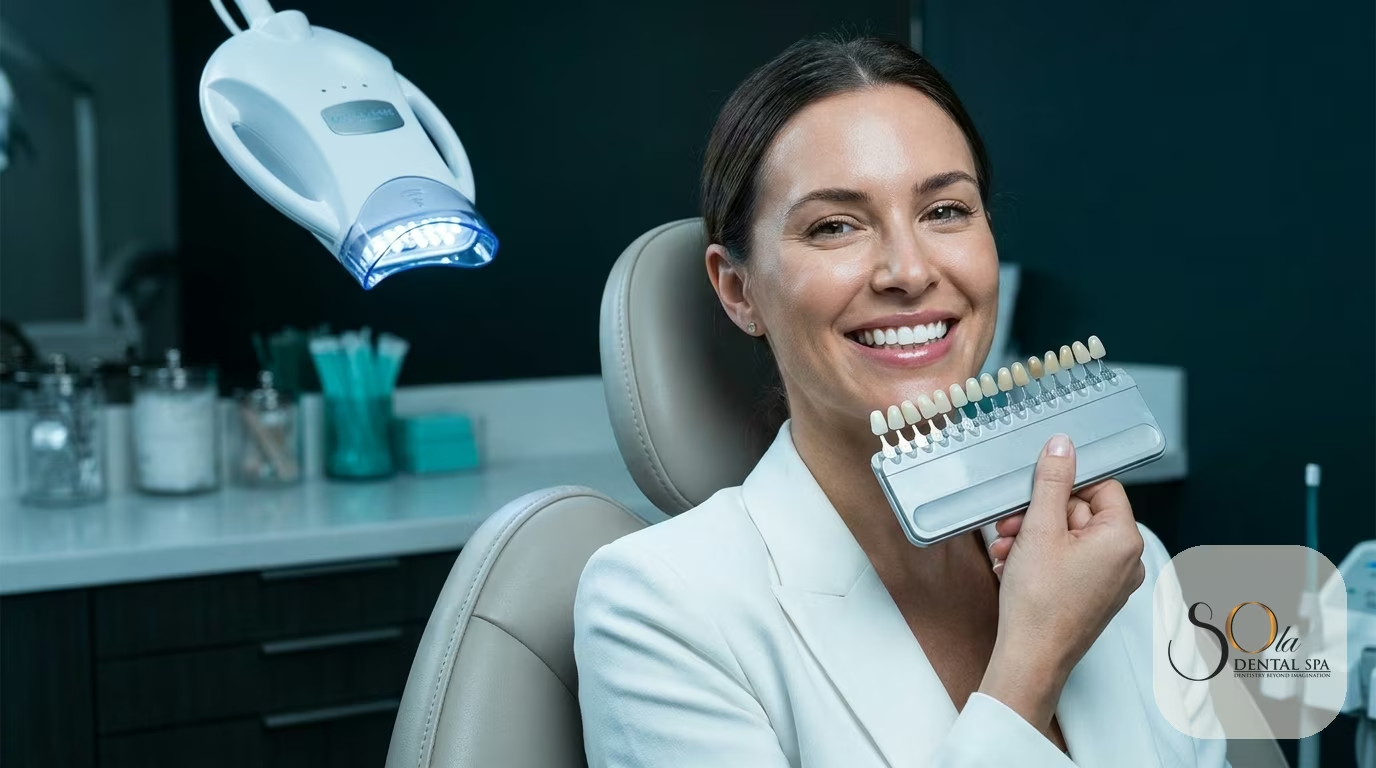
Most patients who whiten professionally see their natural teeth lighten by several shades, and the clearest before and after difference comes from a supervised in-office treatment rather than weeks of drugstore products. At Sola Dental Spa in Staten Island, cosmetic dentist Dr. Anne Gershkowitz, DDS reviews your starting shade, your stain type, and your enamel before recommending a whitening method, because those three factors decide what your after photo will actually look like. If you are weighing your options, start with a proper exam and a conversation about professional whitening treatment.
Professional whitening can brighten natural teeth noticeably, often within a single visit, while over-the-counter products work more slowly and more modestly. Your results depend on the type of stain, the thickness of your enamel, and the shade you start from. Crowns, veneers, and fillings do not change color.
“The before and after photos patients love most are the honest ones. I shade-map every patient before we start, because someone who begins with yellowish staining usually gets a more dramatic change than someone with grayish discoloration. When patients understand that from day one, they end up thrilled with their result instead of chasing a shade that was never realistic for their teeth.”
Dr. Anne Gershkowitz, DDS, Founder, Sola Dental Spa
One of our Staten Island patients, a teacher in her forties, came in a few weeks before a milestone reunion. Years of coffee and tea had dulled her smile by several shades. After a single in-office whitening session, her teeth were visibly brighter in the photos she took that same evening, and a custom take-home tray has kept them there since.
What does a realistic teeth whitening before and after look like?
Expect a brighter, more uniform version of your own smile, not a paint-white transformation. Yellow-toned surface stains respond best, while gray or banded discoloration lightens more gradually and sometimes calls for a different treatment entirely.
Whitening gel works on natural enamel and the dentin beneath it. It does not touch porcelain, composite, or metal, so any crowns, veneers, or visible fillings will stay exactly the color they are today. That is one reason Dr. Gershkowitz examines and photographs your smile before treatment. If a front tooth carries an older restoration, we plan around it so your after result looks even rather than patchy.
Why do teeth discolor in the first place?
Coffee, tea, red wine, tobacco, and deeply pigmented foods stain the outside of the enamel. Aging, certain childhood medications, and dental trauma darken the tooth from within.
Dentists group discoloration into extrinsic stains, which collect on the enamel surface, and intrinsic stains, which develop inside the tooth, a distinction described by the American Dental Association. As enamel naturally thins with age, the yellower dentin underneath shows through more, which is why two people with identical habits can start from very different shades. Knowing which kind of stain you have is the single best predictor of your before and after result.
How do in-office and at-home whitening results compare?
In-office whitening delivers the biggest visible change in the shortest time. Dentist-made trays reach comparable brightness over days to weeks. Store-bought strips and whitening toothpastes move the needle least.
Speed is the honest difference between the options. In one comparison cited by the American Dental Association, an over-the-counter bleaching product needed 16 days to match the whitening that a dentist-supervised tray system reached in seven days and an in-office procedure reached in a single day. The chemistry is similar. The concentration, the fit, and the supervision are not.
| Method | Visible change | Typical timeframe |
|---|---|---|
| In-office whitening | Most noticeable | One visit |
| Dentist take-home trays | Comparable, gradual | One to several weeks |
| Whitening strips | Modest | Two weeks or more |
| Whitening toothpaste | Surface polish only | Ongoing |
How long do whitening results last?
Results fade at the pace of your habits. Daily coffee, red wine, and tobacco bring stains back sooner, while good hygiene and periodic touch-ups keep teeth bright for a year or longer.
The after photo is not a finish line, it is a starting point you maintain. We walk every patient through the habits that protect their investment, and you can read our full guidance on maintaining whitening results after treatment and our Zoom whitening aftercare tips for the first days after your session.
Frequently asked questions
How many shades whiter will my teeth get?
It depends on your starting shade and stain type. Yellowish surface staining often lightens dramatically, while grayish discoloration changes more subtly. Dr. Gershkowitz will give you a realistic range at your exam, before you spend anything.
Will whitening work on my crowns or veneers?
No. Whitening gel only changes natural tooth structure. If you have visible restorations, we plan the treatment so your natural teeth match them, or we discuss updating the restoration afterward.
Why do teeth sometimes look blotchy right after whitening?
Temporary dehydration of the enamel can create white spots for a day or two. As the teeth rehydrate, the color evens out. It is a normal part of the process, not a sign of damage.
I have an event coming up. Can I whiten in time?
Often, yes, but the honest answer starts with an exam. In-office whitening is the fastest supervised option, and we will tell you plainly whether your stains will respond in your timeframe.
Does insurance cover teeth whitening?
Whitening is a cosmetic procedure, so dental insurance typically does not cover it. Our Staten Island team can walk you through costs and options during your consultation.