
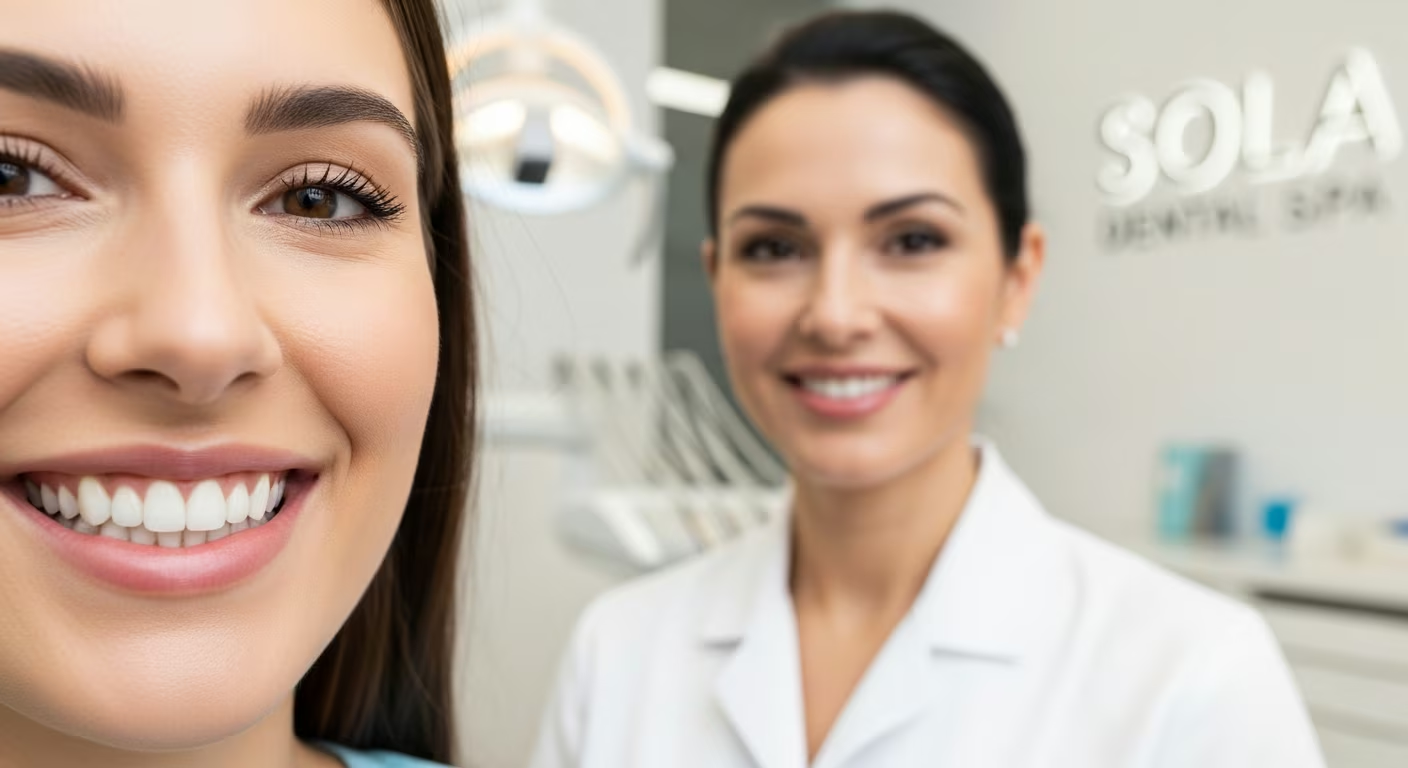
Porcelain veneers are thin, custom made shells bonded to the front of your teeth to correct stains, chips, gaps and uneven shapes in a single course of treatment. They are one of the most requested cosmetic treatments because the visual change is dramatic while the day to day upkeep stays simple: brush, floss and keep up with regular checkups. At Sola Dental Spa in Staten Island, our cosmetic dentistry team designs each veneer to match the shape and shade of your natural smile.
What Exactly Are Porcelain Veneers?
Unlike dental implants, which replace a missing tooth entirely, porcelain veneers are bonded to the front surface of a tooth that is already there. Each veneer is custom made from thin, medical grade porcelain and shaped to match the color and contour of your surrounding teeth, or to create a more uniform look across your smile.
What Problems Can Veneers Fix?
Persistent Discoloration
Years of coffee, tea, red wine or certain medications can leave teeth with stains that whitening alone cannot fully correct. A tooth that has had a root canal can also darken over time. Veneers cover that discoloration with a bright, uniform surface that resists future staining.
Chips, Cracks and Wear
An accident, grinding or ordinary wear can leave teeth chipped or visibly worn down. Veneers mask this damage and add a protective layer over the front of the tooth.
Gaps and Minor Misalignment
Small gaps or slightly crooked teeth can affect the overall look of a smile. While more significant orthodontic issues may call for treatment like Invisalign or braces, veneers can close small gaps and visually straighten minor misalignment without a lengthy orthodontic course.
Irregularly Shaped Teeth
Some teeth are naturally short, pointed or uneven in size. Veneers let your dentist redesign these teeth so they read as balanced and proportionate with the rest of your smile.
The Veneer Process at Sola Dental Spa
| Step | What Happens |
|---|---|
| Consultation and smile design | We discuss your goals, examine your oral health and use imaging so you can preview possible outcomes. |
| Tooth preparation | A small, conservative amount of enamel is removed from the front of each tooth receiving a veneer, typically with local anesthesia for comfort. |
| Impressions and fabrication | Precise impressions are sent to a dental laboratory, where your veneers are custom crafted for color, shape and translucency. |
| Temporary veneers | Some patients wear temporary veneers to protect prepared teeth while the permanent set is being made. |
| Bonding and final placement | Your custom veneers are bonded in place with a light activated resin, and we check your bite before you leave. |
Veneers Compared with Other Cosmetic Options
| Feature | Porcelain Veneers | Teeth Whitening | Invisalign or Orthodontics | Dental Bonding |
|---|---|---|---|---|
| Best for | Discoloration, chips, minor gaps, irregular shapes | Surface stains, overall brightening | Misaligned teeth, bite issues | Small chips, minor gaps |
| Durability | Long lasting with proper care | Temporary, needs touch ups over time | Permanent alignment when retainers are worn as directed | Moderate, more prone to chipping |
| Tooth preparation | Minimal enamel removal | None | None | None |
| Key benefit | Complete, durable smile transformation | Non-invasive brightness boost | Corrects underlying bite and alignment | Quick, reversible fix |
Caring for Your Veneers
Veneers are cared for much like your natural teeth: brush twice daily, floss once a day and keep up with regular cleanings and checkups. Veneers themselves resist staining well, but you can still get a cavity in the tooth underneath, so daily hygiene still matters. Avoid using your teeth as tools and be mindful of very hard foods. If you grind your teeth at night, ask about a nightguard to protect your investment.
“Porcelain is designed to catch and reflect light the way natural enamel does. When we match shade and shape carefully to the rest of your smile, the result looks like your own teeth, just brighter and more even.”
Dr. Anne Gershkowitz, DDS, Founder, Sola Dental Spa
Who Is a Good Candidate for Veneers?
Good candidates generally have healthy teeth and gums, with the concern being cosmetic rather than a sign of active decay or gum disease. If you grind your teeth heavily or have significant bite problems, your dentist may recommend addressing those issues first, or combining veneers with a nightguard, so the investment holds up over time.
A consultation is the best way to find out where you stand. Your dentist will examine your teeth, discuss your goals and let you know whether veneers, or a different cosmetic option, is the better fit.
Frequently asked questions
Do veneers hurt to get?
Most patients feel only mild discomfort during tooth preparation, and local anesthesia keeps the process comfortable. Some sensitivity to hot or cold is common for a short period afterward.
How many teeth need veneers to change my smile?
It depends on your goals. Some patients treat just one or two teeth to fix a specific chip or stain, while others treat the visible front teeth as a set for a more uniform look. Your dentist can walk you through the options during a consultation.
Are veneers reversible?
No. Because a thin layer of enamel is removed to fit the veneer, the process is not reversible, and the tooth will need a veneer or similar covering going forward.
Can veneers stain like natural teeth?
Porcelain resists staining far better than natural enamel, though the cement line at the edge of the veneer can pick up minor staining over time with poor hygiene.
Will my insurance cover veneers?
Since veneers are usually considered cosmetic, most dental insurance plans do not cover them. Our team can help you understand your specific benefits and financing options during your consultation.
Sources: American Dental Association, MouthHealthy: Veneers.
If you are exploring veneers, book a consultation with Sola Dental Spa in Staten Island, or browse real patient results in our smile gallery. Related reading: How Long Do Dental Veneers Last?