
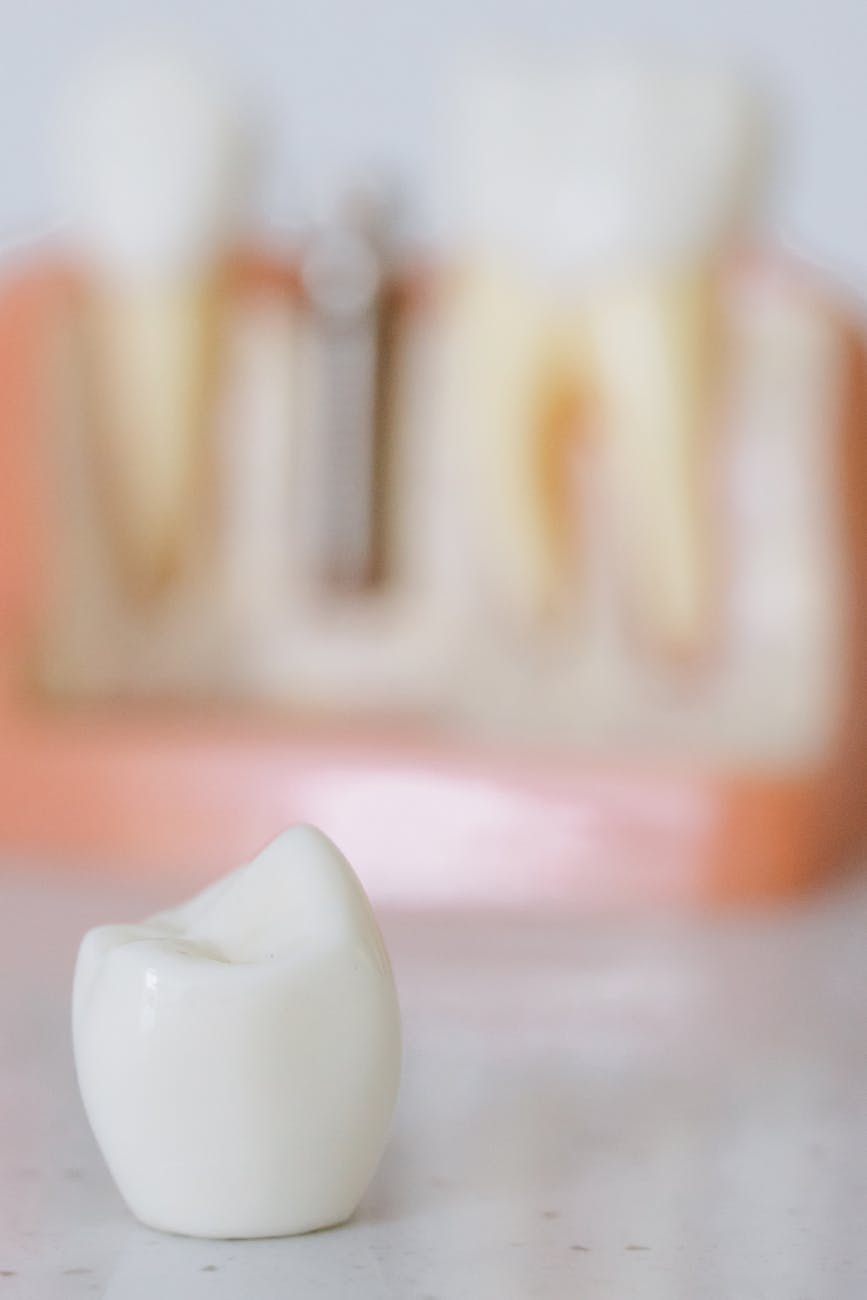
Most dental implants last 10 to 30 years, and many last a lifetime, when they are placed by an experienced clinician and cared for like natural teeth. How long yours lasts depends on your oral hygiene, your overall health, the quality of your jawbone, and how well the implant was placed to begin with. Here is what actually drives implant longevity.
What Affects How Long Your Implant Lasts
Several factors determine how long a dental implant holds up. The table below covers the main ones.
| Factor | Impact on Longevity |
|---|---|
| Oral hygiene | Poor hygiene raises the risk of infection and implant failure |
| Lifestyle choices | Smoking and heavy alcohol use lower success rates |
| Implant location | Implants toward the back of the mouth carry more chewing strain |
| Bone quality | Dense, healthy bone supports better integration with the implant |
Implants are known for their durability. Long-term studies consistently put survival rates in the mid-90 percent range even a decade or more after placement, making them one of the most reliable options for replacing a missing tooth.
How Your Overall Health Plays a Role
Conditions like diabetes, autoimmune disorders, and cardiovascular disease can affect healing and how well an implant integrates with your bone.
| Health Condition | Potential Impact |
|---|---|
| Diabetes | May slow healing and raise infection risk |
| Smoking | Reduces blood flow, which slows healing |
| Autoimmune disorders | Can affect the body's ability to heal |
| Osteoporosis | May affect bone density and implant stability |
Regular dental checkups and consistent oral hygiene go a long way toward preventing complications. If you are exploring implants, it helps to read what to expect from dental implant surgery and check whether you are a candidate for dental implants.
One-Stage vs. Two-Stage Implant Surgery
Implant surgery generally falls into two approaches.
| Procedure Type | Description | Time Frame |
|---|---|---|
| Two-stage | The implant is placed first, allowed to heal, then a second procedure exposes it for the abutment | Longer overall timeline |
| One-stage | The implant and abutment go in during a single surgery, for faster aesthetics | Shorter overall timeline |
Two-stage procedures tend to be associated with slightly higher long-term success in the literature, largely because the extra healing time before the implant bears any load. One-stage surgery can be a good fit when faster results matter, but it calls for extra caution around hard chewing while the implant settles.
Healing and Bone Growth After Surgery
After placement, your jaw needs time to grow new bone around the implant in a process called osseointegration. This can take several months, and the overall process, from consultation to final restoration, often spans months rather than weeks. How long it takes depends on your healing capacity, bone quality, and whether you need bone grafting first.
Careful sizing and placement of the implant also matter for a smooth healing process. For more on the procedure itself, see what are dental implants and how do they work and how to care for dental implants.
Jawbone Quality and the Need for Grafting
A strong, dense jawbone gives an implant a solid foundation. If the bone is too thin or soft, it may not support the implant on its own.
| Jawbone Quality | Implant Success Rate |
|---|---|
| High density | Higher likelihood of long-term success |
| Low density | Increased risk of complications without grafting |
When bone volume falls short, jawbone grafting adds material, from your own body, a donor, or a synthetic source, to build up the site before implant placement. At Sola Dental Spa, this evaluation and any needed grafting is handled by Dr. Daniel Nejat, a board-certified periodontist. Patients typically wait for the graft to heal before implant surgery follows. Learn more about your options by checking are you a candidate for dental implants.
What Causes Implant Failure
Two of the most common reasons implants fail are infection and inflammation around the implant site.
| Common Cause | Description |
|---|---|
| Infection | Bacteria at the implant site can interfere with osseointegration |
| Abutment failure | A loose or infected connection between implant and crown can compromise the whole structure |
| Peri-implantitis | Inflammation of the gum tissue around the implant, which can lead to bone loss if untreated |
Poor oral hygiene, existing gum disease, and smoking all raise infection risk. Smoking in particular reduces blood flow and oxygen to the gums, which slows healing. Regular checkups and consistent hygiene are the best defense against peri-implantitis before it progresses to bone loss. For background on the procedure, see what are dental implants and how do they work.
What Typically Affects How Long an Implant Survives
Age, implant length and diameter, bone quality, and where in the mouth the implant sits all influence how long it is likely to last.
| Factor | Impact on Survival Rate |
|---|---|
| Age | Older age can be associated with somewhat lower success rates |
| Length of implant | Longer implants typically offer greater stability |
| Diameter of implant | Wider implants may offer better support |
| Bone quality | Denser bone improves success; thinner bone may need grafting first |
| Implant location | Molars and incisors can see different outcomes due to differing chewing forces |
How Implants Compare to Bridges and Dentures
Dental Bridges vs. Implants
| Feature | Dental Bridges | Dental Implants |
|---|---|---|
| Average lifespan | 5 to 15 years | 10 to 30 years or more |
| Stability | Moderate, depends on adjacent teeth | High, secured in the jawbone |
| Maintenance | Requires replacement as it wears | Long-term with proper care |
| Cost | Relatively affordable | Higher upfront investment |
Bridges restore appearance and function well, but they place extra stress on the neighboring teeth that anchor them. Implants integrate into the jawbone directly, which is why they tend to hold up longer. See what are dental implants and how do they work for more detail.
Removable Dentures vs. Implants
| Feature | Removable Dentures | Dental Implants |
|---|---|---|
| Average lifespan | 5 to 10 years | 10 to 30 years or more |
| Stability | Less stable, may shift during use | Highly stable, fixed in place |
| Maintenance | Needs regular adjustments | Minimal beyond good hygiene |
| Effect on speech | Can affect pronunciation | Functions like a natural tooth |
Dentures are more affordable up front but often need adjustments and can affect speech and taste. Implants function much closer to natural teeth, which is why many patients see them as the better long-term value. Read more in benefits of dental implants for tooth replacement.
How long do dental implants typically last?
Many last 10 to 30 years, and plenty last a lifetime with good oral hygiene and regular dental visits.
What is the most common cause of implant failure?
Infection at the implant site, often linked to poor oral hygiene, existing gum disease, or smoking.
Do I need a bone graft before getting an implant?
Only if imaging shows your jawbone does not have enough density or volume to support the implant securely. Dr. Nejat can evaluate this during a consultation.
Are implants better than a bridge or dentures?
Generally yes for longevity and stability, though the right choice depends on your bone health, budget, and how many teeth need replacing.
Who places dental implants at Sola Dental Spa?
Dr. Daniel Nejat, a board-certified periodontist, handles implant placement and any bone grafting that is needed beforehand.