How do you fix loose dentures?+
Loose dentures are usually fixed with a professional reline or adjustment rather than store-bought adhesive alone. Bone and gum tissue naturally change shape over time, so even a well-fitted denture can loosen years later. Denture adhesive can help in the short term, but a persistent fit problem needs a dentist's evaluation. Full answer
What should you expect during your first month with dentures?+
The first month with dentures usually involves some soreness, extra saliva, and an adjustment period for eating and speaking. Starting with soft foods and practicing speech out loud both help the mouth adapt faster. Most of the awkwardness fades as the muscles and gum tissue get used to the new fit. Full answer
What are alternatives to sedation dentistry for anxious patients?+
Options like numbing gel, noise-canceling headphones, a slower-paced appointment, and clear communication throughout treatment can ease dental anxiety without sedation. Breathing techniques and scheduling shorter, more frequent visits also help some patients build confidence over time. Let your dentist know about your anxiety beforehand so the visit can be planned around it. Full answer
Are dental x-rays safe for children?+
Yes, dental x-rays are safe for children, using very low radiation doses and protective shielding to limit exposure further. They are also one of the only ways to catch cavities between teeth or problems with incoming permanent teeth before they cause pain. Dentists space out x-rays based on each child's cavity risk rather than taking them at every visit. Full answer
Is a root canal painful?+
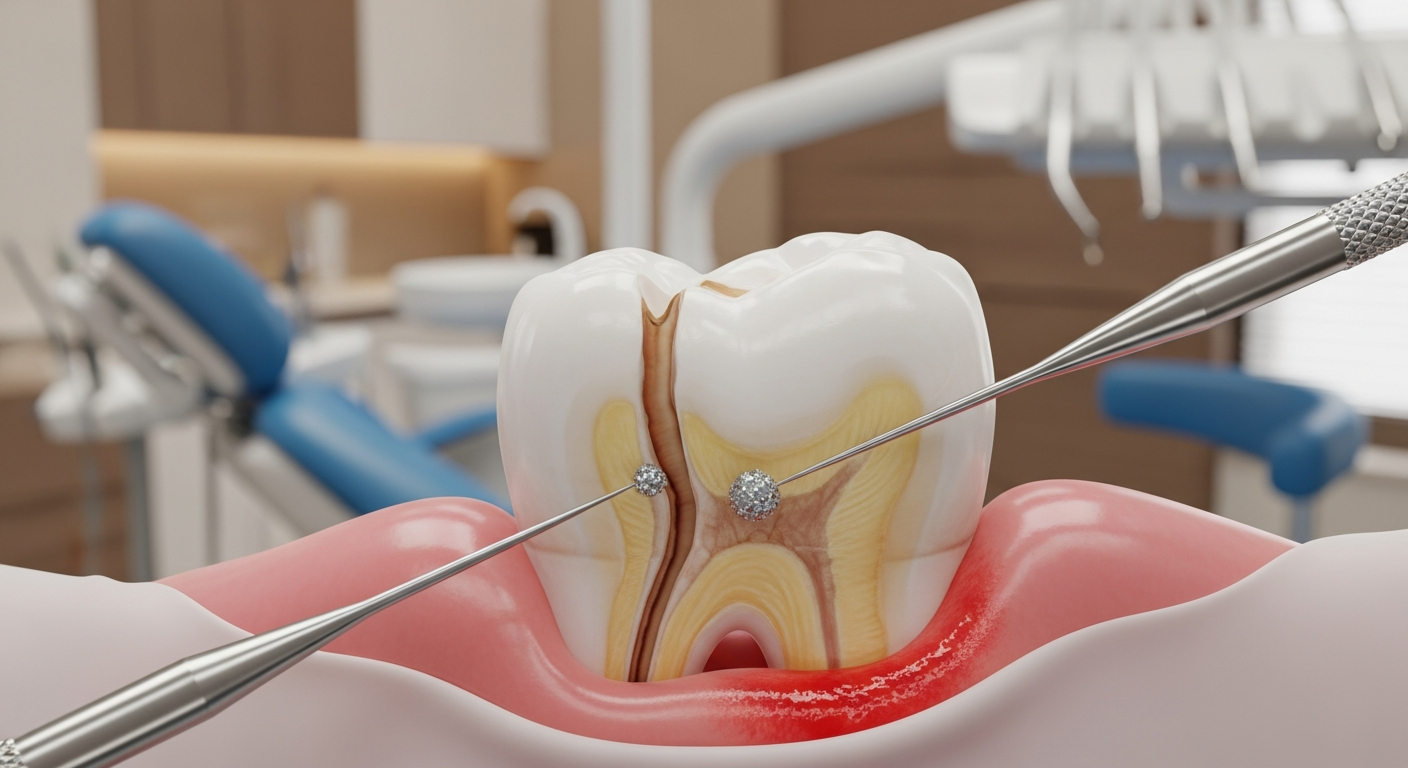
Modern root canal treatment is done under local anesthesia, so the procedure itself is no more uncomfortable than getting a filling. The pain most people associate with root canals actually comes from the infection that made the treatment necessary, not the treatment itself. Mild soreness for a few days afterward is normal and manageable with over-the-counter pain relief. Full answer
How long does a dental filling last?+
Most dental fillings last between seven and fifteen years, depending on the material used and where the filling sits in your mouth. Fillings on chewing surfaces wear faster than ones on less-used teeth. Regular checkups catch a cracked or worn filling before it leads to further decay. Full answer
Can tooth enamel grow back?+
No, tooth enamel does not regenerate once it is lost, despite what some toothpaste marketing claims. What products can do is help remineralize very early, microscopic weak spots before they become actual damage. Once enamel wears away or a cavity forms, restorative treatment is the only way to repair it. Full answer
What should you do if you knock out a tooth?+
Pick the tooth up by the crown, rinse it gently without scrubbing, and try to place it back in the socket or store it in milk while you get to a dentist right away. Acting within the first hour gives the tooth the best chance of being saved. Call our office immediately so we can guide you and see you as soon as possible. Full answer
Do dental implants look like natural teeth?+
Yes, modern dental implants are designed to match the size, shape, and color of your surrounding teeth so they blend in naturally. The crown is custom made from your dental impressions, and the implant itself sits below the gumline out of sight. Most people cannot tell an implant from a natural tooth just by looking. Full answer
How do you maintain a dental implant?+
Dental implants need the same daily brushing and flossing as natural teeth, plus regular dental checkups to monitor the surrounding gum and bone. A water flosser or interdental brush can help clean around the implant crown more thoroughly. With consistent care, implants are built to function for many years. Full answer
How does bone health affect dental implants?+
Healthy jawbone is what an implant fuses to, so adequate bone density and volume are essential for it to stay secure. Patients with bone loss from missing teeth or gum disease may need a bone graft before implant placement. Dr. Daniel Nejat evaluates bone health with imaging before recommending a treatment plan. Full answer
What causes a dental implant to fail?+
Dental implants most often fail due to insufficient bone integration, infection around the implant, or excess stress from grinding or a poor bite. Smoking and uncontrolled diabetes also raise the risk significantly. Most failures are preventable with a thorough evaluation beforehand and good aftercare. Full answer
Can dental implants be placed in a single day?+
Same-day implant placement is possible for some patients, but it carries more risk than the traditional staged approach and is not right for everyone. It depends heavily on having enough healthy bone and gum tissue to support immediate loading. A thorough evaluation with Dr. Daniel Nejat determines whether your case is a safe fit. Full answer
What factors affect the cost of professional teeth whitening?+
The cost of professional teeth whitening depends on the method used, how many shades you want to lift, and whether you need in-office treatment, take-home trays, or both. Starting tooth color and the number of touch-up sessions needed also play a role. A consultation gives you an accurate price based on your specific smile. Full answer
What is the difference between in-office and at-home teeth whitening?+
In-office whitening uses a stronger, dentist-applied gel that delivers faster and more even results than at-home kits. At-home trays and strips work more gradually and depend heavily on consistent use to get close to the same shade. Dr. Anne Gershkowitz can help you decide which approach fits your goals and timeline. Full answer
How long do teeth whitening results actually last?+
Professional teeth whitening results typically last between six months and two years, depending on your diet and habits. Coffee, red wine, tobacco, and dark sauces speed up how quickly stains return. Touch-up treatments and good oral hygiene keep results looking their brightest for longer. Full answer
How do you prevent sensitivity after teeth whitening?+
Using a lower-concentration whitening gel, shortening treatment time, and avoiding hot or cold foods right after whitening all help prevent sensitivity. A desensitizing toothpaste in the days before and after treatment also calms the nerves in your teeth. Sensitivity from whitening is usually temporary and fades within a few days. Full answer
Does charcoal toothpaste actually whiten teeth?+
Charcoal toothpaste has little proven whitening effect and can be abrasive enough to wear down enamel with regular use. Any brightening effect usually comes from surface polishing rather than an actual change in tooth color. A dentist-supervised whitening option lightens teeth without the enamel risk. Full answer
Are teeth whitening strips effective?+
Teeth whitening strips can lighten mild surface stains, but they work slower and produce less dramatic results than professional whitening. Results vary widely depending on the strength of the gel and how consistently they are used. For stubborn or deeper stains, in-office whitening reaches results strips typically cannot match. Full answer
Can adults get braces?+
Yes, adults can get braces at any age as long as their gums and jawbone are healthy enough to support tooth movement. Options range from traditional metal braces to clear aligners, depending on the correction needed. Many adults choose orthodontic treatment for both bite health and a straighter smile. Full answer
How long does orthodontic treatment take?+
Most orthodontic treatment takes between one and two years, though mild cases can finish sooner and complex bite corrections can take longer. The timeline depends on how much movement your teeth need, your age, and how consistently you wear any aligners or appliances. Your dentist gives a personalized estimate after evaluating your bite and x-rays. Full answer
Are mail-order clear aligners a good idea?+
Mail-order aligners skip the in-person exams that catch problems before they start, which makes them riskier than they look. Without x-rays and a dentist checking gum and bone health, minor misalignment can turn into bite problems or gum damage. A short consultation before starting any aligner treatment protects your long-term results. Full answer
Is at-home teeth straightening safe?+
At-home teeth straightening can be safe for very mild cases, but it carries real risk without a dentist checking your bite and gum health first. Moving teeth without professional oversight can cause an uneven bite, root damage, or gum recession that goes unnoticed until it is serious. A dentist can tell you whether your case is a good fit for any at-home option. Full answer
How long do retainers last?+
A well cared for retainer typically lasts several years, though how long depends on the type and how consistently it is worn. Clear plastic retainers wear out faster than wire and acrylic ones and may need replacing sooner. Skipping wear time, even for a while, can let teeth shift and shorten how useful the retainer stays. Full answer
Can gum disease cause tooth loss?+
Yes, untreated gum disease is a leading cause of adult tooth loss because it breaks down the bone and tissue that hold teeth in place. This damage happens gradually, which is why regular exams matter even when nothing hurts yet. Catching gum disease early is the most reliable way to keep your natural teeth long term. Full answer
Does nutrition affect gum health?+
Yes, a diet low in sugar and rich in vitamin C and calcium supports stronger gums and helps the body fight inflammation. Crunchy vegetables and fruits also help clean the teeth naturally between brushings. Poor nutrition, on the other hand, weakens the tissue's ability to resist plaque and bacteria. Full answer
How does smoking affect gum health?+
Smoking significantly raises the risk of gum disease by reducing blood flow to the gums and weakening the body's ability to fight infection. It also masks early warning signs like bleeding, so damage can progress further before it is noticed. Quitting improves both gum healing and the success of any periodontal treatment. Full answer
What do bleeding gums mean?+
Bleeding gums are usually one of the earliest signs of gum disease, caused by plaque buildup irritating the gum line. Occasional light bleeding during brushing or flossing often points to gingivitis, while frequent or heavy bleeding can signal a more advanced infection. Either way, it is worth a dental exam rather than waiting it out. Full answer
Is periodontitis curable?+
Periodontitis cannot be fully cured once bone and gum tissue are lost, but it can be controlled and stopped from progressing. Deep cleaning, ongoing periodontal maintenance, and better home care bring the infection under control and protect the teeth that remain. Dr. Daniel Nejat, our board-certified periodontist, treats advanced cases that need surgical care. Full answer
Can gingivitis be reversed?+
Yes, gingivitis is reversible in its early stage with consistent brushing, flossing, and a professional cleaning. Once inflammation is caught early, gum tissue typically heals within a few weeks of improved home care. Waiting too long lets it progress into periodontitis, which causes lasting damage. Full answer
How do you know if your wisdom teeth are coming in?+
Common signs your wisdom teeth are coming in include soreness or pressure at the back of the jaw, swollen gums, and mild headaches near the ear. Some people also notice a bad taste or slight jaw stiffness as the tooth pushes through. These teeth usually appear between the late teens and mid-twenties. Full answer
Do all four wisdom teeth need to be removed at once?+
No, not every patient needs all four wisdom teeth removed, and not always at the same time. The decision depends on each tooth's position, whether it is impacted, and how much room your jaw has. Some patients remove all four together to heal once, while others address them individually as issues arise. Full answer
Can you eat after wisdom teeth surgery?+
Yes, but stick to soft, cool foods for the first few days after wisdom teeth surgery. Smoothies, yogurt, mashed potatoes, and broths are gentle on the healing sockets, while hot, crunchy, or spicy foods and straws can disrupt the clot and slow healing. Most patients can reintroduce normal foods gradually as swelling goes down. Full answer
Are impacted wisdom teeth dangerous?+
Impacted wisdom teeth can become dangerous if they are left untreated, leading to infection, damage to neighboring teeth, or cyst formation. Not every impacted tooth needs immediate action, but pain, swelling, or repeated infections are signs it is time to have it evaluated. A dentist can tell from an exam and x-ray whether yours needs monitoring or removal. Full answer
Can you keep your wisdom teeth instead of removing them?+
Yes, wisdom teeth can often stay in place if they erupt fully, sit in a healthy position, and are easy to clean. The deciding factors are impaction, crowding of nearby teeth, and how well you can reach them with a toothbrush and floss. Your dentist monitors this with regular exams and x-rays rather than removing them automatically. Full answer
How long does recovery from wisdom teeth removal take?+
Most patients feel back to normal within about a week after wisdom teeth removal. Swelling and soreness are usually worst in the first two to three days, while the gum tissue itself keeps healing for several weeks after that. Following your aftercare instructions on diet and rest makes the biggest difference in how smooth it feels. Full answer
Is cosmetic dentistry expensive?+
Cosmetic dentistry is an investment, and our fees are comparable to other dentists of our caliber. Because cosmetic treatment is elective, the real questions are how to choose the right cosmetic dentist and what you get for your money. It is smart to visit several practices and see where you feel most comfortable.
At Sola Dental Spa, the value lies in our expertise, technology, and the one-of-a-kind spa atmosphere we have created around your care.
Related: Contact Sola Dental Spa
I have bunched up, crowded teeth. What procedures might you suggest?+
Crowded teeth can be corrected with Invisalign, veneers, or a combination of both. Invisalign straightens teeth discreetly with clear aligners. For suitable cases, reshaping teeth and applying veneers can deliver what some call instant orthodontics, closing large gaps and correcting overcrowding. How well each approach works depends on how crowded and crooked your teeth are, and often a blend of limited orthodontics plus cosmetic enhancement is the best choice.
Related: Invisalign
My cavities are all filled with silver and gold. What do you recommend so they are less noticeable?+
We recommend replacing aging metal fillings with tooth-colored restorations. Old silver fillings can fail in two ways: if the margin no longer seals, bacteria slip between the filling and the enamel and cause decay, and if the tooth has micro-cracks, an expanded or corroded metal filling leaves it prone to fracture.
Tooth-colored fillings are now standard, and the small percentage of people with mercury sensitivity should consider replacing silver fillings as a precaution.
Related: General and Restorative Dentistry
What Are Potential Complications?+
Mild pain, swelling, and a low fever are normal in the first days after implant surgery. Expect some spontaneous pain on day one, tenderness when pressing near the site for about three days, a temperature up to 38 degrees Celsius on the first day, and swelling that can build during the first week.
Call us right away if fever lasts more than two days, pain persists beyond day three, or swelling fails to ease within a week.
Is It True That Dental Implants Only Have a 50% Success Rate?+
No, that is a myth; modern implant success rates run about 85 to 93 percent. Implant placement has become a safe, highly predictable procedure, and the list of contraindications keeps shrinking. In the rare case an implant does not integrate, we identify the cause, wait 4 to 6 months, and place a new one.
Failed integration is usually traced to an undiagnosed health condition or low-quality materials, which is why careful screening and premium components matter.
What Is the Lifetime Expectancy of Dental Implants?+
Modern dental implants typically last 20 to 25 years, and often longer. Longevity depends on your oral health, your overall health, and how closely you follow care recommendations. Plan on a hygiene check-up every six months so we can keep your implants reliable and comfortable for decades.
Related: Dental Implants at Sola Dental Spa
Caring for Dental Implants?+
Care for implants like natural teeth, plus regular professional cleanings. Brush after meals or at least twice a day with a soft brush and regular toothpaste, using gentle rotating strokes so you do not irritate the gumline. Good hygiene around implants keeps bacteria from collecting at the gum and protects against peri-implant disease.
We recommend a professional cleaning at least every six months to keep your implants healthy for the long term.
Related: Airflow Cleaning
How do I choose the right dentist for me?+
Look for proven cosmetic credentials, documented results, and a dentist you feel comfortable with. Almost any dentist can claim cosmetic experience, but an advanced level of skill is what delivers excellent results. Dr. Anne Gershkowitz is happy to share documentation of her work on patients with similar concerns and to discuss her advanced training and continuing education.
Exceptional cosmetic dentistry is not an accident. Make sure you can ask plenty of questions and approve your plan together.
What general dentistry must be satisfied before considering aesthetic procedures?+
A healthy foundation must come first, because nothing is more beautiful than a healthy smile. Before any aesthetic work, Dr. Anne Gershkowitz examines the foundation of your smile: your teeth are cleaned, X-rays are taken, and your gum health is assessed. Any clinical issues are resolved first, since that is the only way to ensure lasting cosmetic results.
Once your mouth is healthy, we begin your aesthetic plan with a clean slate.
Related: General and Restorative Dentistry
What Crowns Can Be Placed on Implants?+
Implants can support single crowns, bridges, and even removable dentures. Any of these restorations can be anchored on implants, and doing so typically extends the lifespan of the restoration two to three times. Implant-supported dentures also stay in place day to day; they only need to be removed periodically for a thorough cleaning.
Related: All-on-4 Dental Implants
What Are the Restrictions After the Surgery and Does the Recovery Process Take Long?+
Recovery restrictions after implant surgery are similar to those after a tooth extraction. Stick to soft foods that are neither too hot nor too cold, brush gently around the implant site, and avoid smoking and alcohol for at least the first few days. Skip strenuous activity and air travel, minimize stress, and avoid overheating or getting chilled.
Your doctor may also prescribe anti-inflammatory and antimicrobial medication to prevent infection. Most patients find recovery easier than after an extraction.
Is It Possible to Install Implants If the Patient Has “Little Bone”?+
Yes, bone grafting techniques make implants possible even with limited bone. Procedures such as a sinus lift or ridge augmentation rebuild bone volume under local anesthesia. Recovery typically takes 7 to 10 days, and any swelling or discomfort is managed with anti-inflammatory and pain medication prescribed as needed.
The result is a foundation strong enough for implants, restoring both your smile and your ability to chew comfortably.
Related: Sinus Lifts and Bone Grafting
Can an Implant Be Placed If It Is Possible to Install a Crown?+
If a crown can save your natural tooth root, that option is often worth weighing first. There is no single answer for every case. Restorations that rely on neighboring teeth require grinding healthy enamel, which is a real drawback. A dental implant stands on its own and leaves adjacent teeth untouched.
We evaluate your tooth and walk you through both options so you can choose with confidence.
Related: Crowns and Bridges
What Is The Implant Engraftment Period?+
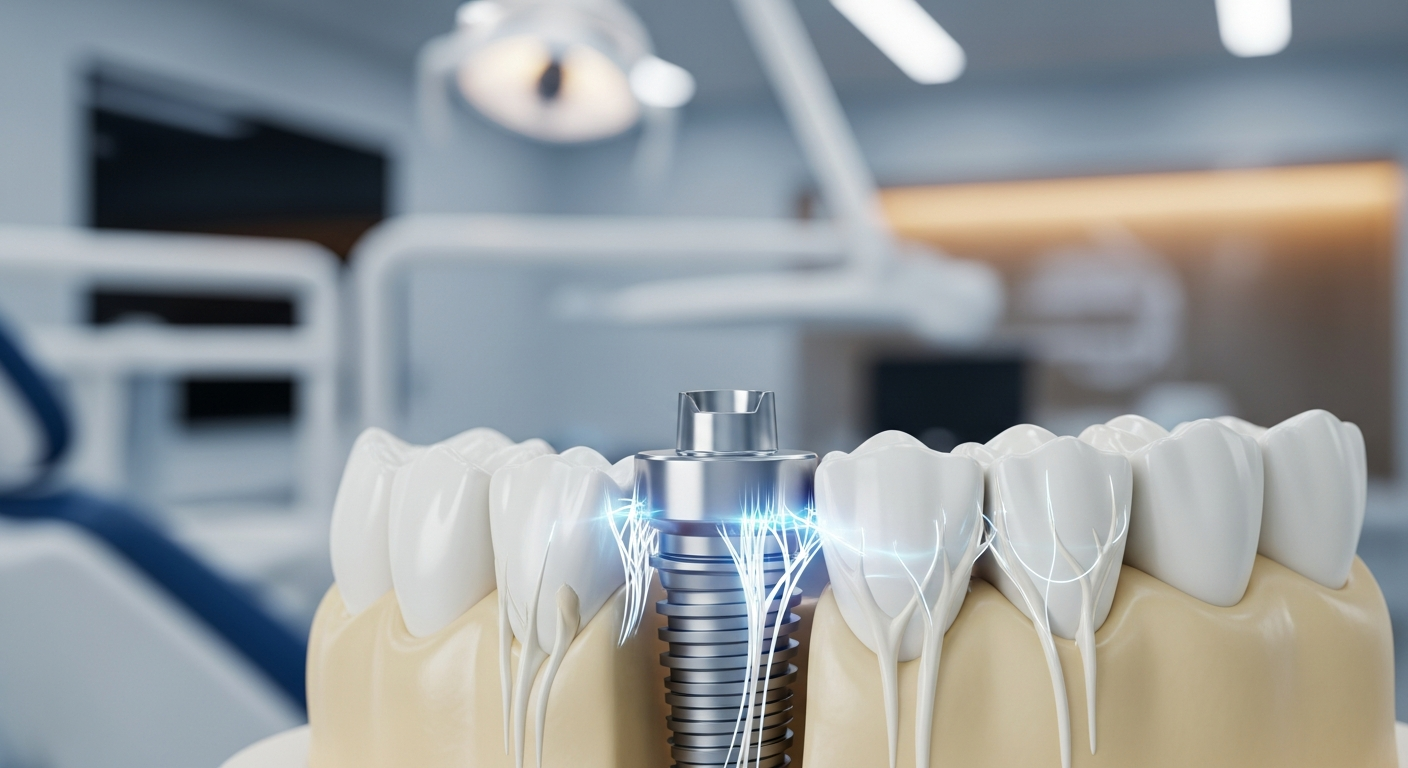
Implants typically integrate with the bone within 3 to 6 months. Osseointegration usually takes up to 4 months in the lower jaw and up to 6 months in the upper jaw. The lower jaw heals faster because its bone is denser, while the softer bone of the upper jaw needs a little more time.
What Are The Symptoms For Placing Dental Implants?+
A small number of health conditions can rule out dental implants. These include blood and clotting disorders, certain central nervous system diseases, malignant tumors, immunodeficiency, systemic connective tissue diseases such as lupus or scleroderma, open tuberculosis, and uncontrolled diabetes.
Implants are also not recommended for young patients whose facial bones are still developing; after about age 16 to 18, there is no upper age limit. We review your full health history before recommending treatment.
What Is The Cost For Placing Dental Implants?+
Dental implant cost is individual and depends on what your mouth needs. Related procedures drive the total, for example treating decay in neighboring teeth or grafting bone where there is not enough to support the implant. That is why we determine your exact cost only after a consultation and a personalized treatment plan.
Related: Dental Implants at Sola Dental Spa
What Examinations Are Required Before Placing An Implant?+
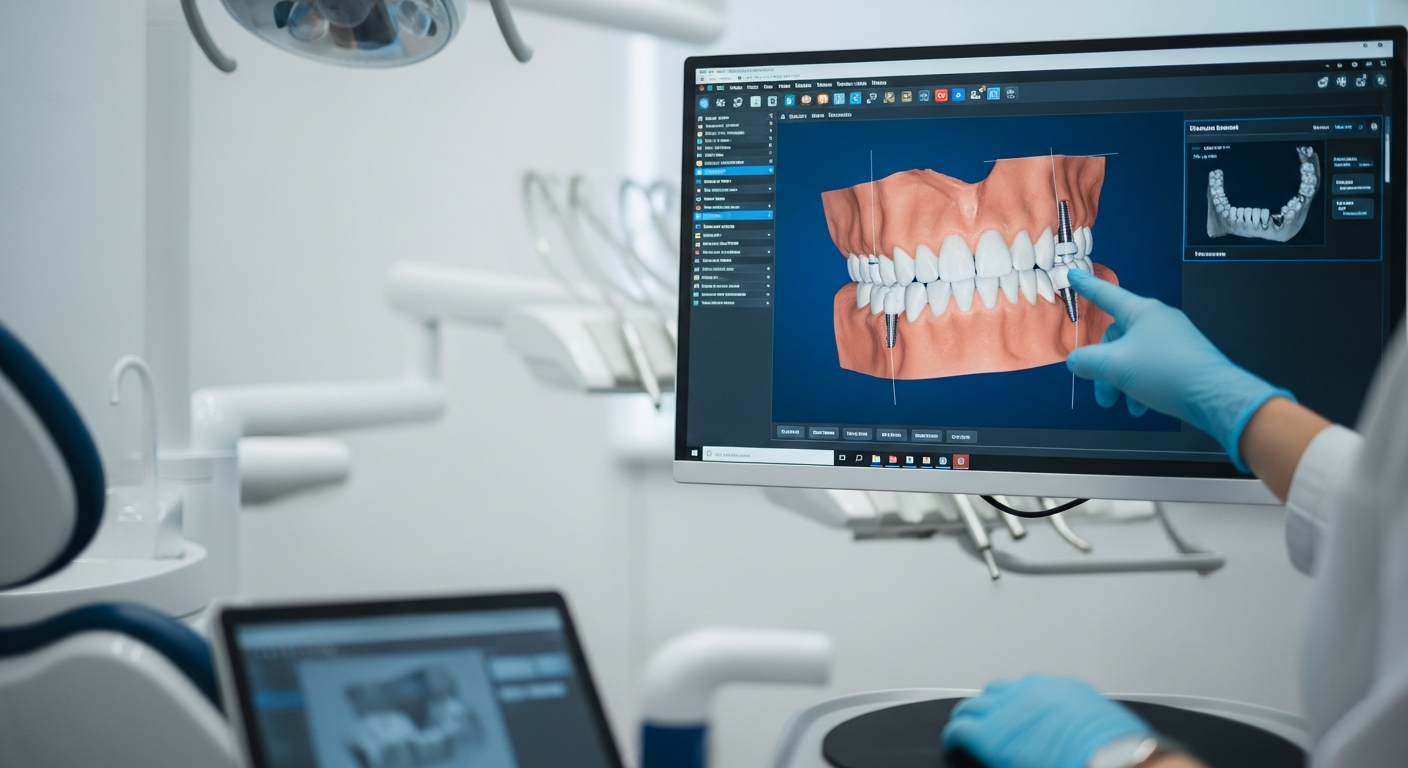
Implant planning starts with a consultation and a 3D computer tomography scan. If a tooth can be removed, an implant can usually be placed, and the CT scan gives us the detail we need to plan it safely. Bring a complete list of medications and injections from the last six months, and tell us about any health conditions.
For serious conditions such as cardiovascular disease, diabetes, or cancer, we ask for clearance from your treating specialist first.
Related: Dental Implants at Sola Dental Spa
What Are The Stages Of Dental Implants Procedure?+
Dental implant treatment moves through several planned stages. First comes preparation: an exam, 3D imaging, a personalized treatment plan, and any needed cleanings or extractions. Next, Dr. Daniel Nejat places the implant in the bone and the site heals, with integration typically taking 3 to 6 months. A gum shaper and abutment then prepare the site, impressions are taken, and finally your custom crown is attached.
Related: Dental Implants at Sola Dental Spa
Can Multiple Implants Be Installed at Once?+
Yes, multiple implants can safely be placed in a single appointment. There is no restriction on the number placed at once, and doing so means one recovery period, one course of medication, and a shorter overall treatment timeline. Spacing implants out week by week is not recommended, since each surgery stresses the body and extends the time you need supportive medication.
Related: Dental Implants at Sola Dental Spa
What Are Dental Implants?+
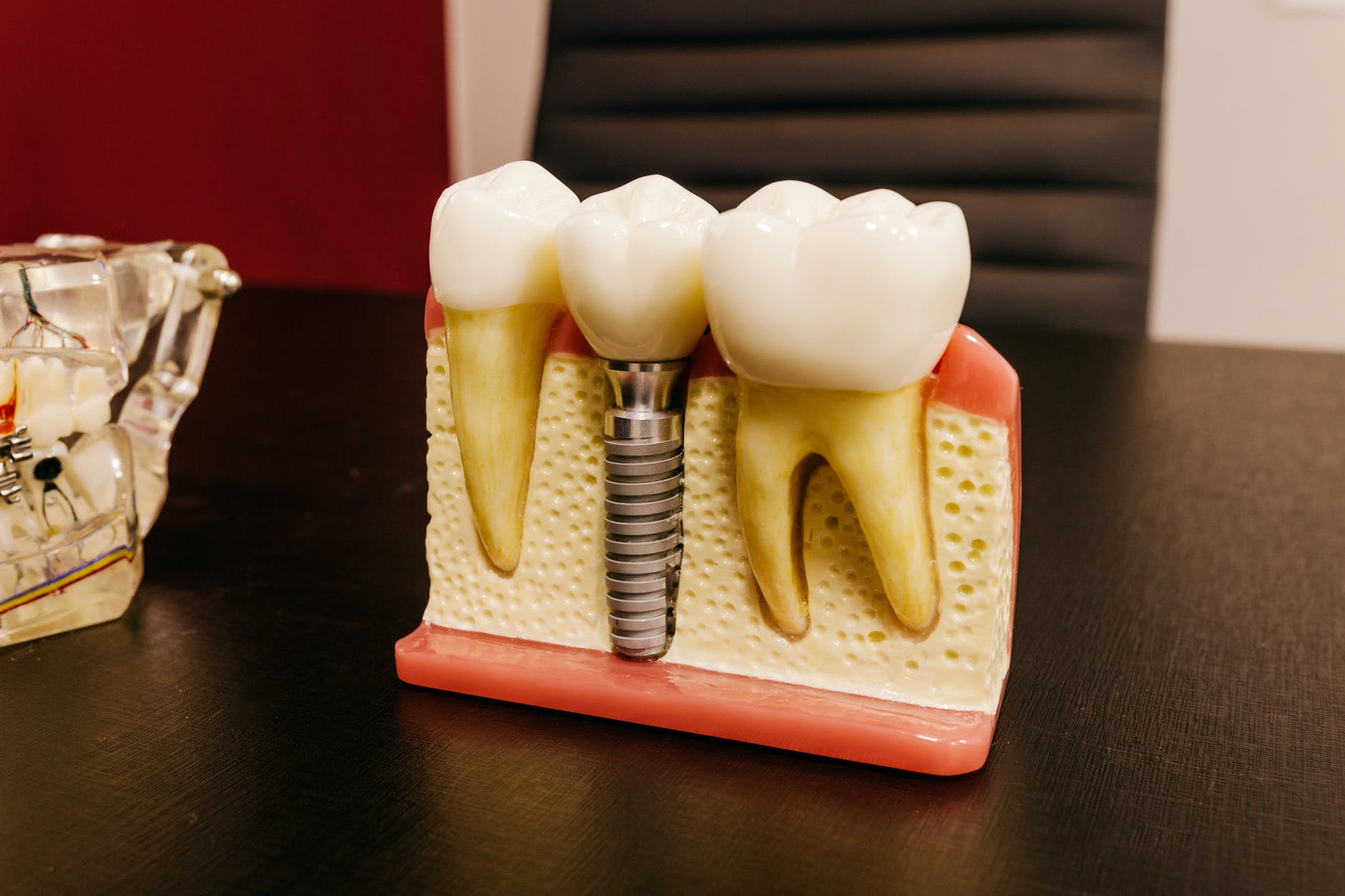
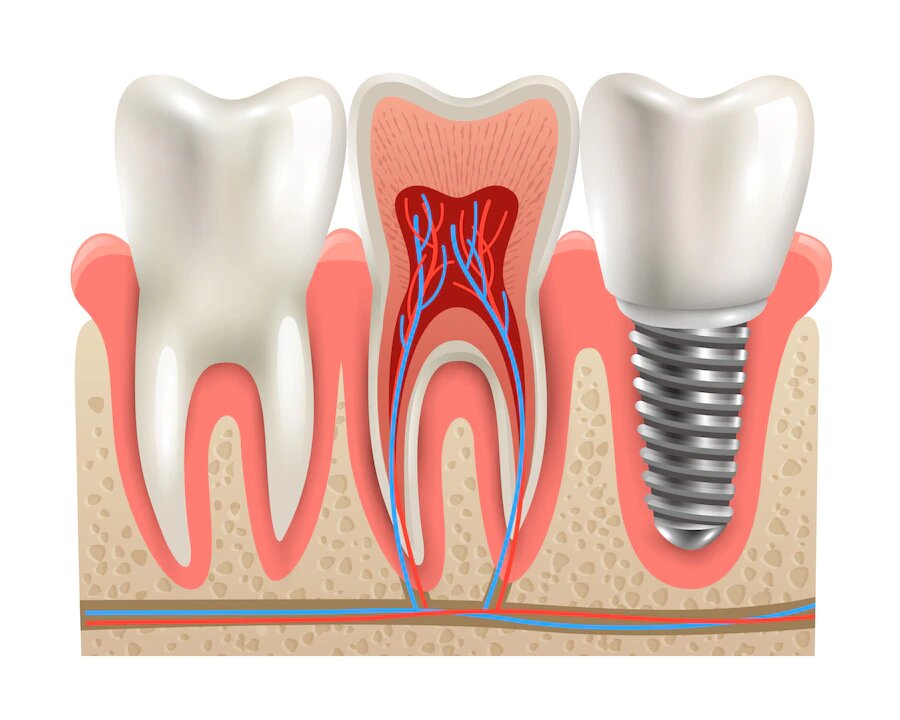
A dental implant is a titanium post that replaces a missing tooth root. The implant is placed in the jawbone and supports a crown, bridge, or other restoration, so the finished tooth looks and functions like a natural one. Dr. Daniel Nejat, our board-certified periodontist, places implants at Sola Dental Spa.
Implants spare healthy neighboring teeth from being ground down for a bridge, eliminate the discomfort of removable dentures, and are the only tooth replacement that stops jawbone loss from progressing.
Related: Dental Implants at Sola Dental Spa
What are the pros and cons of various tooth whitening procedures? How is OTC different from what a dentist can do?+
Professional whitening is safer and more effective than over-the-counter products. We recommend in-office laser whitening followed by custom take-home trays for the best results. Store-bought strips and one-size trays are not fitted to your mouth, deliver inconsistent results, and raise the risk of burned gum tissue and bite problems.
Severely discolored teeth, such as those affected by tetracycline, do not respond well to whitening; porcelain veneers are an excellent solution in those cases.
Related: Professional Teeth Whitening
Can you fix a gummy smile?+
Yes, we can reshape excess gum tissue to fix a gummy smile. If your lip rises too high when you smile or your teeth look short, Dr. Anne Gershkowitz can trim excess or uneven gum tissue using laser or traditional techniques, depending on your situation. Healing is short and predictable, and the results are dramatic.
After a gum lift, more of the tooth surface is exposed, and veneers can be added for an even more brilliant smile.
Related: Gum Contouring
If I have missing teeth, do I need false teeth? What are my options?+
You have better options than traditional false teeth, and dental implants lead the list. Missing teeth can affect your speech, digestion, sense of taste, and self-esteem, and your remaining teeth last longer when the chewing load is balanced. Removable false teeth are often inconvenient and ill-fitting.
Implants are artificial roots anchored in the jawbone and topped with a crown. They become part of your anatomy and are designed to last a lifetime with good care.
Related: Dental Implants at Sola Dental Spa
I have a gap between my front teeth. Two of my lower teeth are cracked. Can you help me?+
Yes, bonding or veneers can close front-teeth gaps and repair cracks. Bonding places tooth-colored material between or on the teeth, can be completed in one appointment, and costs less than veneers, though its color can change over time and it usually needs replacement within 3 to 7 years. If your budget allows, veneers are stronger, more durable, and integrate seamlessly with the natural tooth.
Related: Porcelain Veneers at Sola Dental Spa
How exactly are Veneers applied?+
Veneers are applied by reshaping the tooth, crafting a custom shell, and bonding it in place. We first prepare the tooth to allow for the added thickness of the veneer, then take a molded image that goes to a dental laboratory where your veneer is custom made to fit your mouth. Once it returns, we bond the veneer to the tooth with a strong adhesive for a secure, natural-looking fit.
Related: Porcelain Veneers at Sola Dental Spa
How many office visits will it take to fix my teeth and improve my smile?+
The number of visits depends on your individual needs and goals. Every smile plan is different, so we treat it as a staged process and map out each step with you in advance. Dr. Anne Gershkowitz can often schedule longer appointments to make treatment more convenient and keep the process moving efficiently.
Share your goals and concerns with us and we will build the most efficient plan for your situation. Your new smile may be closer than you think.
Related: Contact Sola Dental Spa
Is there a way to “try” before I “buy”, and test drive my smile?+
Yes, you can preview and test drive your new smile before committing. We start with digital imaging so you can compare options, then take impressions to create a blueprint of your smile. Our lab turns that design into temporary acrylic restorations you wear on your own teeth for several days, so you can request adjustments before anything permanent is done.
This design and trial phase matters because most cosmetic procedures are irreversible.
Related: Complete Smile Makeover
What if I have stained or chipped teeth?+
Stained or chipped teeth can be corrected with bonding, whitening, veneers, or a combination. Bonding applies tooth-colored material to repair discoloration, chips, and gaps. Professional whitening lightens stained teeth, either at home with custom-fitted trays or in the office with Zoom whitening in about an hour. Veneers cover staining and chips for a more permanent result.
Related: Professional Teeth Whitening
When would you suggest bonding vs. veneers?+
Bonding suits small, single-tooth fixes; veneers suit whole-smile changes. Bonding is a composite resin we sculpt directly onto the tooth in one visit. It is economical and works well for a small chip or gap, but its color can change over time and it typically lasts 3 to 7 years. Porcelain veneers are thin, stain-resistant shells that can be shaped, lengthened, widened, and whitened, and they last far longer.
Dr. Anne Gershkowitz is known for matching veneers to each patient's personality, and veneers can also correct misaligned, crooked, worn, or chipped teeth.
Related: Porcelain Veneers at Sola Dental Spa
What does full mouth reconstruction mean?+
Full mouth reconstruction rebuilds every tooth to restore both function and appearance. It combines neuromuscular dentistry with the artistry of cosmetic dentistry, making it a strong option for anyone with worn, chipped, or broken teeth. Using advanced imaging and measurement tools, we design an individualized plan, align the jaw properly, and restore teeth with veneers, crowns, or onlays.
The process can be extensive, but the result is a durable, attractively rebuilt smile designed to stand the test of time.
Related: Complete Smile Makeover
How often should I be seeing a dentist if nothing hurts?+
Visit us twice a year for a cleaning, exam, and X-rays, even when nothing hurts. Prevention is most of the cure. Gum disease and decay develop gradually and often without symptoms, so problems can grow quietly between visits. Catching issues early keeps treatment simpler and your smile healthier.
Related: Digital Wellness Scans
Why is flossing such a big deal?+
Flossing is your first line of defense against gum disease. Periodontal disease is a chronic bacterial infection of the gums and bone that support your teeth, and left untreated it can lead to tooth loss. Brushing alone cannot remove bacteria and food particles from between the teeth, which is exactly where flossing does its work.
My gums bleed sometimes. Is that bad?+
Bleeding gums are an early warning sign of gum disease and should not be ignored. Gingivitis, the mildest form of periodontal disease, makes gums red, swollen, and quick to bleed, usually with little or no discomfort. The good news is that gingivitis is reversible with professional treatment and good home care.
Related: Airflow Cleaning
When do you recommend an onlay vs. a crown?+
We recommend an onlay when a tooth is too damaged for a filling but strong enough to avoid a full crown. A crown caps the entire tooth and is usually needed when a tooth is weakened by large fillings, fractured, restored after a root canal, or placed on an implant. Inlays and onlays are custom-made restorations that rebuild badly broken teeth more conservatively, look natural, and can actually strengthen the tooth.
Related: Crowns and Bridges
I grind my teeth and my jaw is starting to hurt. Can you help me?+
Yes, a custom night guard can protect your teeth and ease jaw pain from grinding. Teeth grinding is more common than you may think, and left untreated it can seriously damage your teeth. Because most grinding happens during sleep, Dr. Anne Gershkowitz can design an appliance you wear at night to minimize its effects.
Most patients notice fewer headaches, fewer neck aches, and less jaw pain once they start wearing their appliance.
Can my teeth be causing bad breath?+
Yes, your teeth and gums are a common source of bad breath. Bacteria, smoking, spicy foods, medication, and dry mouth can all play a role, and chronic bad breath is often tied to gum disease or aging dental work that has become faulty.
Dr. Anne Gershkowitz can find the cause and recommend a solution that gives you back your confidence.
I have not had my teeth cleaned for 4 years. What can I expect at my appointment?+
Expect a thorough, judgment-free cleaning tailored to the condition of your gums and teeth. After several years, more buildup is normal, so depending on what we find, we may stage your cleaning across more than one appointment for your comfort and convenience. We will walk you through exactly what your mouth needs before we begin.
Related: Airflow Cleaning
Dentists have always scared me. What can you do to make me comfortable?+
We designed Sola Dental Spa specifically for people who fear the dentist. Our office anticipates and eases anxiety with massage, aromatherapy, entertainment, and Dr. Anne Gershkowitz's gentle approach to care. We will ask how you define comfort and then go beyond your expectations to make every visit a pleasant one.
Related: The Dental Spa Experience
Does smoking affect a person’s teeth?+
Yes, smoking significantly harms your teeth, gums, and dental work. Tobacco use is linked to periodontal disease, bone and tissue loss, tooth loss, peri-implantitis, and dental implant failure. Nicotine reduces blood flow in the mouth, which slows healing, and pipe smoking can be even harder on the upper jaw because of the higher temperatures involved.
Smoking also shortens the life of conventional bridgework, and smokers tend to develop more severe gum disease. We can help you plan treatment with this in mind.
I have heard some people need premedication prior to dental work. Can you explain this?+
Some patients with specific heart conditions need antibiotics before dental work. Whenever there is bleeding in the mouth, oral bacteria can enter the bloodstream and reach the heart. That poses a risk for people with an artificial heart valve, a history of infective endocarditis, or certain serious cardiac conditions.
Current guidelines no longer recommend premedication for mitral valve prolapse, rheumatic heart disease, bicuspid valve disease, calcified aortic stenosis, or congenital conditions such as septal defects and hypertrophic cardiomyopathy. We review your health history and coordinate with your physician when needed.
Can poor oral health affect my overall health?+
Yes, your oral health directly affects your overall health. Research links untreated gum disease to heart disease, diabetes, and pregnancy complications, because oral bacteria and inflammation can enter the bloodstream. Keeping your gums and teeth healthy supports your whole body.
Routine cleanings and exams let us catch problems early, before they affect more than your smile.
Do you screen for oral cancer?+
Yes, every comprehensive exam at Sola Dental Spa includes an oral cancer screening. Dr. Anne Gershkowitz checks your lips, tongue, cheeks, and the soft tissues of your mouth for unusual changes. Oral cancer is highly treatable when caught early, which is one more reason regular visits matter even when nothing hurts.
Related: Digital Wellness Scans
Is dental care safe during pregnancy?+
Yes, routine dental care is safe and encouraged during pregnancy. Healthy gums matter even more when you are expecting, because pregnancy hormones can increase gum inflammation. Cleanings and exams help keep that in check.
Let us know you are pregnant when you book so we can tailor your visit and time any non-urgent treatment around your comfort.
What should I expect at my first visit?+
Your first visit is an unhurried, comprehensive exam built around your goals. We take digital X-rays, use an intraoral camera, and perform an oral cancer screening, then sit down together to review everything and design a plan around you. There is no pressure and no rushing.
Because Sola Dental Spa is a true dental spa, you can also enjoy amenities like a warm lavender paraffin hand treatment and noise-canceling headphones during your appointment.
Related: Contact Sola Dental Spa
Hear it from our patients.
Quick answers on dental implants from the Sola Dental Spa team.
Take a virtual walk through Sola Dental Spa on Richmond Avenue.