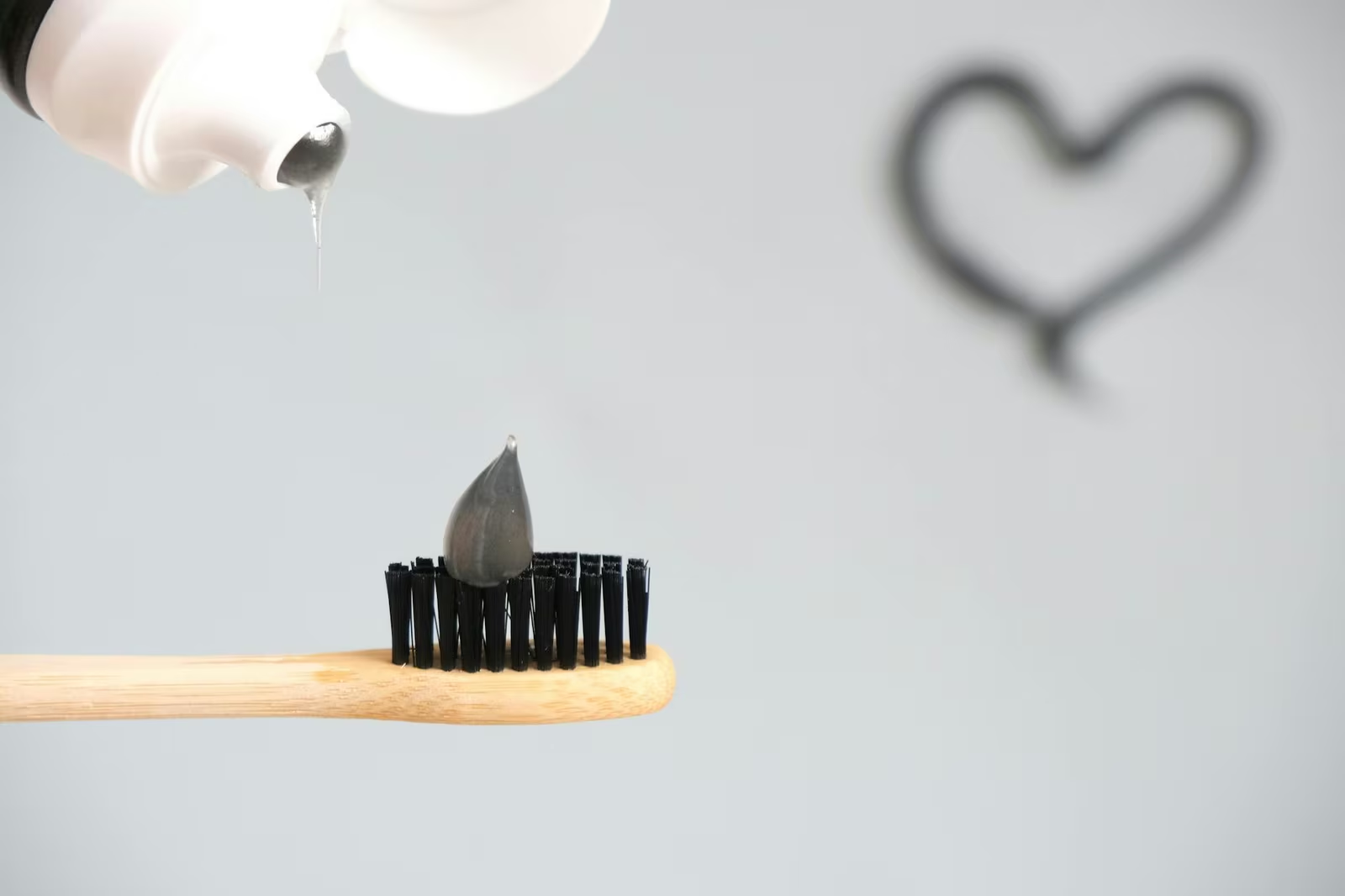
No, charcoal toothpaste is not an effective way to whiten teeth, and used aggressively it can leave teeth looking more yellow over time. At Sola Dental Spa in Staten Island, Dr. Anne Gershkowitz, DDS fields this question weekly, usually from patients who have seen dramatic black paste videos online. Charcoal can polish off some surface stains the way any abrasive can, but it cannot change the underlying color of a tooth, and it carries real tradeoffs. Patients who want a shade change that actually shows up in photos start with a professional whitening consultation at Sola Dental Spa.
Charcoal toothpaste scrubs at extrinsic surface stains but has no bleaching action, so it cannot lighten the tooth itself or touch deeper discoloration. Many formulas skip fluoride, and the abrasiveness can wear enamel, exposing the yellower dentin underneath.
“Charcoal paste promises the look of a deep clean, and that gritty feeling is convincing. But grit is exactly the problem. Enamel does not grow back, and the shade you are trying to reach lives deeper than any scrub can go. Chemistry whitens, abrasion just wears.”
Dr. Anne Gershkowitz, DDS, Founder, Sola Dental Spa
A patient from New Dorp brushed with a charcoal powder twice a day for a year and came in frustrated that his teeth looked duller than when he started. His enamel showed early wear along the gumline, right where he scrubbed hardest. We moved him to a soft brush, an ADA accepted fluoride toothpaste, and one supervised in office whitening session. The shade change he had chased for a year happened in an afternoon.
What does charcoal toothpaste actually do?
Activated charcoal is porous and mildly abrasive, so it can lift some fresh surface stains from coffee or tea. That is stain removal, not whitening. It does nothing to the intrinsic color that sits inside enamel and dentin.
Tooth color has two layers of story. Extrinsic stains sit on the surface and respond to polishing, which is why any decent toothpaste, charcoal or not, helps somewhat. Intrinsic color lives inside the tooth and only changes through peroxide chemistry. The American Dental Association reviewed charcoal dentifrices and found no evidence that charcoal dental products are safe or effective, and warns that overly abrasive scrubs can expose the softer, yellow dentin layer beneath enamel.
Can charcoal toothpaste damage your teeth?
Used hard and often, yes. The abrasive particles can gradually thin enamel, worsen sensitivity, and settle into the margins of fillings and crowns. And because many charcoal pastes lack fluoride, you also lose your daily cavity protection.
The irony is that enamel wear moves your smile away from white. As enamel thins, more of the dentin underneath shows through, and dentin is naturally yellow. Charcoal particles can also build up in the tiny crevices around dental work and along rough spots, creating gray shadows. If your goal is a brighter smile without sensitivity flare ups, a gentler paste matters, and our roundup of the best toothpaste for sensitive teeth covers options that clean without the grit.
What actually whitens teeth, then?
Peroxide based treatments are the only reliable way to change tooth shade: professional in office whitening for the fastest result, dentist made take home trays for gradual control, and quality over the counter strips for modest goals.
The right choice depends on your starting shade, your timeline, and your sensitivity history, which is exactly what a short consultation sorts out. We compare the professional and home routes in detail in in office whitening versus at home kits. Whichever route you take, keep a fluoride toothpaste in the daily routine, because a white smile that is developing cavities is not a win.
| Discoloration type | Charcoal toothpaste | Professional whitening |
|---|---|---|
| Fresh coffee or tea film | Some effect | Removed and lightened |
| Long standing surface stain | Minimal effect | Effective |
| Intrinsic yellowing with age | No effect | Effective |
| Deep staining from medication | No effect | Case by case, needs evaluation |
Frequently asked questions
Is it okay to use charcoal toothpaste once in a while?
Occasional use in a healthy mouth is unlikely to cause harm, but there is no real upside either. If you like the ritual, keep it rare, brush gently, and make sure your daily paste still has fluoride.
Why do my teeth feel so clean after charcoal paste?
That squeaky feeling is abrasion, the same reason a kitchen scrub feels effective. Clean feeling and healthy wear are different things, and enamel pays the bill over time.
Do charcoal strips or powders work better than the paste?
No format solves the core problem: charcoal has no bleaching chemistry. Powders are often more abrasive than pastes, which makes them the worse option for enamel.
Can anything natural whiten teeth safely?
The honest answer is that daily habits are the natural option: brushing twice a day, flossing, limiting coffee, tea, and red wine, and skipping tobacco. Kitchen remedies like lemon or baking soda scrubs do more harm than good.
How fast could I see a real shade change at your Staten Island office?
Most patients see a noticeable difference from a single supervised in office session, with take home trays as a gradual alternative. Book a consultation and we will match the method to your teeth, not the trend.