
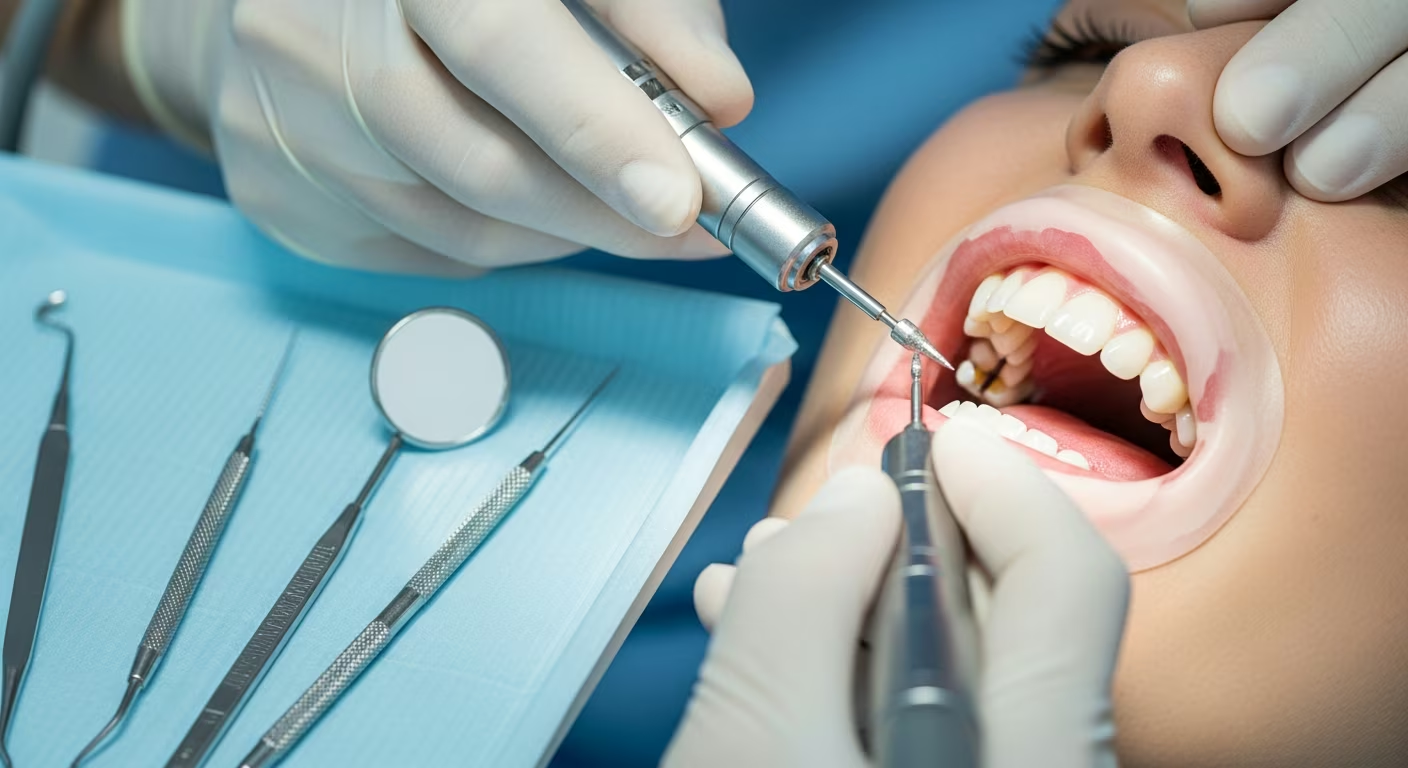
A root canal removes infected or inflamed tissue from inside a tooth so the tooth can be cleaned, sealed, and saved instead of extracted. At Sola Dental Spa in Staten Island, our team performs root canal treatment using local anesthesia so patients are comfortable throughout the visit. Here is what actually happens during the procedure, step by step.
What Is a Root Canal?
A root canal, also called endodontic treatment, removes infected or inflamed pulp from inside a tooth. The pulp is the soft tissue inside the tooth that contains nerves and blood vessels. When it becomes infected, usually from deep decay, a cracked tooth, or repeated dental work, it can cause pain and swelling, and left untreated it can lead to an abscess or tooth loss. A root canal clears the infection, cleans and shapes the space inside the root, and seals it so the tooth can stay in your mouth instead of being extracted.
Signs You Might Need a Root Canal
Common signs include a persistent toothache, sensitivity to hot or cold that lingers after the trigger is gone, tenderness when chewing, a darkening tooth, and swelling in the gum near the tooth. Your dentist will confirm what is going on with an exam and X-rays before recommending treatment.
What Happens During the Procedure
Diagnosis and Imaging
Your dentist starts with X-rays to see the extent of the damage, check for an abscess, and map the shape of the root canals. This step shapes the entire treatment plan.
Numbing the Area
The tooth and surrounding gum are numbed with local anesthetic before anything else happens. A small dental dam is then placed around the tooth to keep it clean and isolated during treatment.
Removing the Infected Tissue
A small opening is made in the top of the tooth to reach the pulp chamber. Your dentist removes the infected tissue, drains any abscess present, and uses the earlier X-rays as a guide to make sure the canals are fully cleaned.
Shaping and Filling the Canal
The cleaned canals are shaped and disinfected, then filled with a biocompatible material called gutta-percha to seal the space. More complex cases sometimes need two visits, with a temporary filling placed in between to protect the tooth while it heals.
Placing a Crown
A tooth is more prone to fracturing after a root canal, so a crown is typically placed to protect and restore it. Your dentist takes an impression, and a custom crown is fitted and cemented once it is ready.
| Step | What Happens |
|---|---|
| 1. Diagnosis and Imaging | X-rays and exam confirm infection and guide the treatment plan |
| 2. Numbing and Isolation | Local anesthetic and a dental dam prepare the tooth for treatment |
| 3. Removing Infected Tissue | Infected pulp is removed and any abscess is drained |
| 4. Shaping and Filling | Canals are cleaned, shaped, and sealed with gutta-percha |
| 5. Crown Placement | A custom crown protects and restores the treated tooth |
Recovery and Aftercare
Mild soreness for a few days after treatment is normal and usually manageable with over-the-counter pain relief. Keeping up with brushing, flossing, and regular checkups helps the treated tooth hold up over the long term. If you are also considering cosmetic work once healing is complete, a cosmetic dentist can talk through options like teeth whitening or Invisalign.
What If the Tooth Cannot Be Saved?
In most cases, a root canal successfully saves the natural tooth. Occasionally, if the infection is too advanced or the tooth structure is too damaged to support a crown, extraction becomes the better option. When that happens, your dentist will talk through replacement options such as a dental implant so the gap does not affect your bite or your other teeth over time.
Root Canal Versus Extraction
Patients sometimes ask why a dentist would go through the effort of a root canal instead of simply removing the tooth. Keeping your natural tooth preserves the surrounding bone and keeps your bite aligned in a way that an extraction alone does not. Replacing an extracted tooth later, whether with a bridge or an implant, is typically a longer and more involved process than treating and restoring the tooth you already have.
“Most patients are surprised how manageable a root canal actually is. With local anesthesia, the procedure itself is usually no more uncomfortable than getting a filling, and it means you get to keep your natural tooth.”
Dr. Anne Gershkowitz, DDS, Founder, Sola Dental Spa
Frequently asked questions
Does a root canal hurt?
The procedure is performed under local anesthesia, so patients typically feel pressure rather than pain. Most describe it as comparable to getting a filling.
How long does a root canal take?
A straightforward case can often be completed in one visit, while more complex cases may require two appointments with a temporary filling in between.
What happens if I skip a recommended root canal?
Untreated infection can spread, leading to an abscess, worsening pain, or eventual tooth loss. Treating it early is generally simpler than waiting until the infection progresses.
Will I need a crown after a root canal?
In most cases, yes. The tooth is more prone to fracturing once the pulp is removed, so a crown protects it and restores normal function.
Does Sola Dental Spa perform root canal treatment?
Yes, our team at Sola Dental Spa in Staten Island provides root canal treatment for infected or damaged teeth using local anesthesia for patient comfort.