
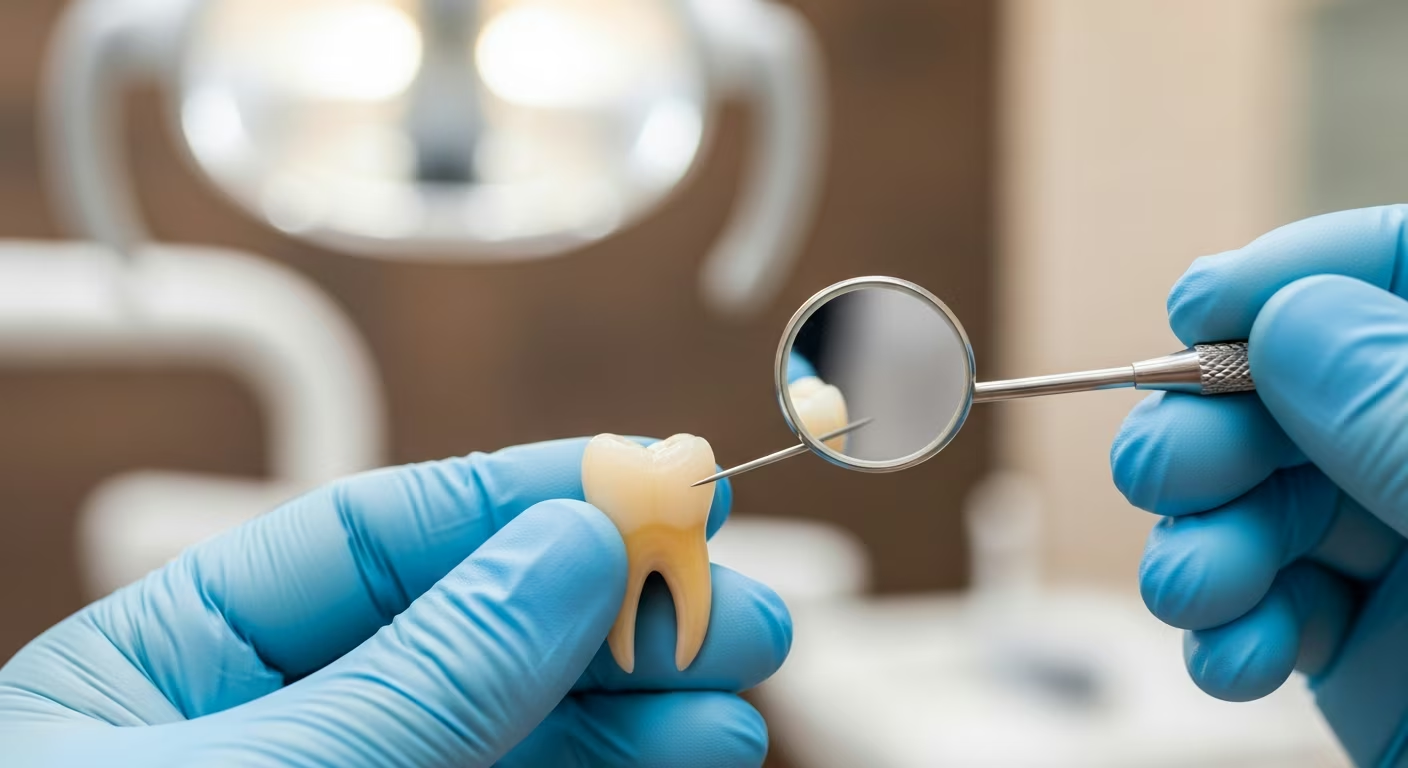
You likely need root canal treatment if you have persistent tooth pain, lingering sensitivity to hot or cold, or swelling near a tooth, since these signs point to infected or inflamed pulp inside the tooth. Sola Dental Spa in Staten Island evaluates these symptoms with an exam and X-rays before recommending treatment. Millions of root canals are performed each year to treat and save teeth that would otherwise need to be extracted.
Why does a tooth need root canal treatment?
Understanding the cause matters because it shapes how your dentist approaches treatment and what preventive steps make sense afterward, whether that means a nightguard, better daily hygiene, or simply more frequent checkups on a tooth that has needed repeated work.
A root canal becomes necessary when the pulp, the soft tissue containing nerves and blood vessels inside the tooth, becomes infected or inflamed. A cracked or chipped tooth, deep decay, or repeated dental work on the same tooth can all lead to this. Left untreated, the infected pulp can cause severe pain, tissue damage, and eventually an abscess. If a tooth cannot be saved at that point, your dentist may discuss extraction and replacement options such as a dental implant instead.
What are the signs I might need a root canal?
These symptoms are worth paying attention to, since ignoring them can allow the problem to become more serious:
| Symptom | What It Might Indicate |
|---|---|
| Persistent tooth pain | Ranges from a mild ache to severe, throbbing pain, often worse when chewing. |
| Sensitivity to hot or cold | Lingering sensitivity even after the source of heat or cold is removed. |
| Tenderness when chewing or touching | Discomfort when biting down or pressing on the affected tooth. |
| Swollen gums near the tooth | Inflammation or a small, pimple-like bump that can signal infection. |
| Tooth discoloration | Darkening of the tooth, which can signal a dying nerve. |
If you notice any of these signs, it is worth seeking an evaluation from a general dentist or endodontist right away. Early treatment can prevent further damage and improve the odds of saving the natural tooth.
What happens during root canal treatment?
The first step is removing the infected or inflamed pulp. After accessing the pulp chamber, your dentist cleans out the canal system, then shapes and fills it with a biocompatible material, typically gutta-percha, to seal the space and prevent reinfection. The tooth is then sealed temporarily.
You will usually return for a second appointment for the permanent restoration, often a crown, which protects the treated tooth from fracture and lets you eat, drink, and talk normally again. Crowns are especially important for back teeth, which handle significant biting force. For front teeth, a crown is often ideal, though your cosmetic dentist may also discuss porcelain veneers or other options depending on your goals.
“When a root canal is done well, it is a highly effective way to save a natural tooth and preserve a normal bite. It is often the first step toward a smile that stays healthy and functional for years to come.”
Dr. Anne Gershkowitz, DDS, Founder, Sola Dental Spa
Will I need additional treatment afterward?
A properly performed and restored root canal can last for many years, often a lifetime, and typically does not need further treatment beyond routine care. Brushing, flossing, and regular checkups protect both the treated tooth and the teeth around it. On rare occasions, if pain continues or the tooth does not heal as expected, a follow-up evaluation may be needed, but this is the exception rather than the rule.
What if my tooth pain suddenly goes away on its own?
A common misconception is that disappearing pain means the problem has resolved. In reality, pain can subside when the nerve inside the tooth dies, which means the infection is often still present and can continue to spread beneath the surface. A tooth that stops hurting after a period of significant pain should still be evaluated, since waiting can allow the infection to reach the surrounding bone.
Frequently asked questions
How do I know if my tooth pain means I need a root canal?
Persistent pain, especially when chewing or with lingering sensitivity to temperature, is the clearest sign. Only an exam and X-rays can confirm it, so it is worth scheduling a visit rather than waiting.
Is root canal treatment painful?
The procedure itself is performed under local anesthesia, so most patients feel pressure rather than pain. Any soreness afterward is usually mild and temporary.
What happens if I ignore the symptoms?
The infection can spread, leading to an abscess, more significant pain, and a higher chance that the tooth cannot be saved.
Can a tooth get a root canal more than once?
In rare cases a tooth may need retreatment if the original infection returns, though this is uncommon when the tooth is properly restored and cared for.
What are my options if the tooth cannot be saved?
If extraction becomes necessary, your dentist can discuss replacement options, including a dental implant, to restore function and appearance.
Should I see a general dentist or an endodontist?
Many general dentists perform routine root canals. For more complex cases, such as curved canals, extra canals, or retreatment of a tooth that was previously treated, your dentist may refer you to an endodontist who specializes in this type of care and uses specialized imaging to navigate difficult anatomy.
Do not let dental pain dictate your routine. Call Sola Dental Spa in Staten Island to schedule an evaluation and discuss whether root canal treatment is right for you.