
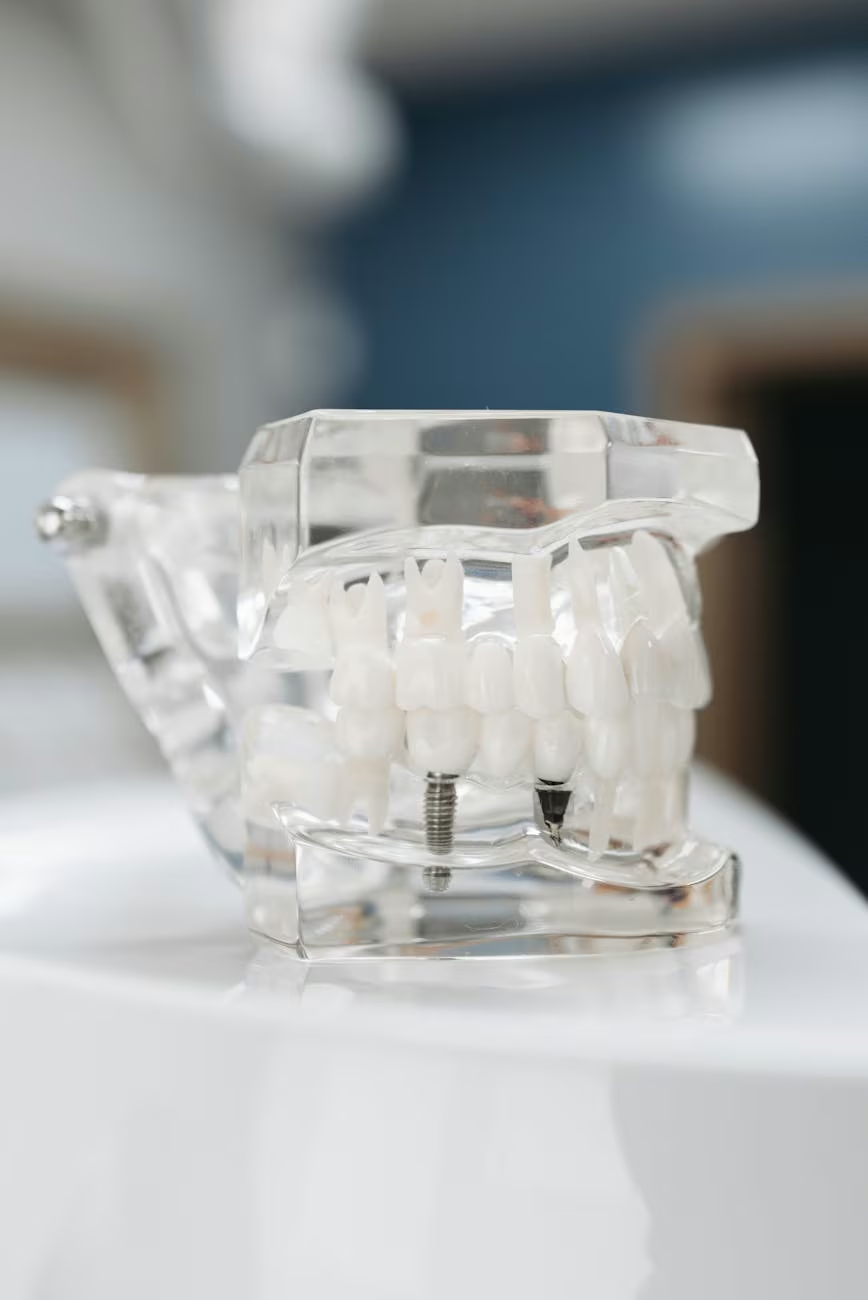
Most patients recover from dental implant surgery within 7 to 10 days for initial soft tissue healing, while full osseointegration, the bone fusing to the titanium post, takes 3 to 6 months. The single most effective way to speed up this process is strict adherence to your post-operative care protocol. At Sola Dental Spa in Staten Island, Dr. Daniel Nejat walks every implant patient through a specific recovery plan before surgery.

Understanding the Healing Timeline
Dental implant recovery happens in two distinct phases that should not be confused with each other. The first is soft tissue healing, when the wound closes, sutures are removed, and initial discomfort resolves, which typically takes 7 to 14 days. The second is osseointegration, the biological process by which bone cells grow into and fuse with the titanium implant post. This process takes months, and patients may need to wait before a permanent replacement tooth is attached to the implant.
| Healing Phase | Typical Duration |
|---|---|
| Soft tissue healing | 7-14 days |
| Osseointegration | 3-6 months |
| Crown placement, after confirmation of integration | 2-4 weeks after osseointegration |
Post-Operative Care That Directly Affects Recovery
The First 48 to 72 Hours
Swelling typically peaks at 48 to 72 hours and resolves by day 5 to 7. Cold application, 20 minutes on and 20 minutes off, during the first 24 hours helps reduce swelling; avoid heat during this period. Sleep with your head slightly elevated, and do not rinse forcefully, use a straw, or spit, since these actions create negative pressure that can dislodge the healing clot at the surgical site and increase infection risk.
Stick to soft foods during the first week, and favor cold or room-temperature foods to reduce tissue inflammation. Avoid alcohol and smoking entirely. Take prescribed anti-inflammatory medication on schedule rather than only when pain appears, since consistent coverage controls swelling more effectively than reactive dosing.
Oral Hygiene During Healing
Keeping the surgical site clean is essential, since bacterial contamination during healing is one of the most preventable causes of implant failure. Follow your dentist's specific protocol, which typically includes gentle rinsing with prescribed chlorhexidine or warm saline beginning 24 hours after surgery, along with careful brushing of all areas except the immediate surgical site until sutures are removed.
Factors That Influence Recovery Speed
Nutrition and Protein Intake
Tissue repair depends on adequate protein. Patients who maintain sufficient protein intake during recovery, such as lean meats, fish, eggs, and legumes, tend to heal more consistently than those relying on minimal, protein-poor soft foods. The ADA's MouthHealthy resource on eating after oral surgery recommends nutrient-rich foods that include zinc, protein, and vitamins A and C to support healing, while calcium and vitamin D support bone metabolism during osseointegration.
| Nutrient | Role | Food Sources |
|---|---|---|
| Protein | Tissue repair and immune function | Chicken, fish, eggs, lentils |
| Calcium | Bone density maintenance | Dairy, leafy greens, fortified foods |
| Vitamin D | Supports osseointegration | Sunlight, fatty fish, fortified dairy |
Smoking
Smoking is the single most controllable factor that prolongs recovery and raises the risk of failure. Nicotine reduces blood flow and oxygen delivery to healing tissue, and patients who smoke during the post-surgical period tend to have slower osseointegration and a higher rate of peri-implantitis. Cessation should begin before surgery and continue through the full healing period.
Prescribed Medications
Complete the full course of any prescribed antibiotics regardless of how quickly symptoms resolve. Taking anti-inflammatory medication consistently during the first few days prevents inflammation from building rather than managing it after the fact. Contact your dentist if pain increases rather than decreases after the third post-operative day.
Signs That Warrant Immediate Contact
Most post-operative discomfort decreases steadily after day two or three. The following signs indicate a complication that needs prompt evaluation:
- Pain that increases rather than decreases after day 3
- Swelling that worsens after day 4 or 5
- Fever above 101 degrees Fahrenheit
- An implant that feels loose or mobile
- Persistent bleeding beyond the first 24 hours
- A foul taste or smell from the surgical site not explained by food
“Recovery speed almost always comes down to the small daily choices patients make, keeping the site clean, eating enough protein, staying off cigarettes, and following the medication schedule exactly as written. Patients who stick to the plan we build together consistently heal faster and with fewer complications than those who improvise.”
Dr. Daniel Nejat, DMD, Board-Certified Periodontist, Sola Dental Spa
Protecting the Long-Term Investment
Once healing is confirmed and the crown is placed, implant maintenance is straightforward: brush and floss daily, attend professional cleanings every six months, and report any change in fit, comfort, or bite promptly. For the full maintenance protocol, see our guide on how to care for dental implants.
Frequently asked questions
How soon can I return to work after implant surgery?
Many patients return to desk work within a day or two, though your dentist may recommend a few more days off if your job is physically demanding.
What foods should I avoid during recovery?
Avoid hard, crunchy, and very hot or cold foods in the first weeks, along with alcohol. Soft, protein-rich foods support healing better than a minimal, bland diet.
When does swelling peak after implant surgery?
Swelling typically peaks around 48 to 72 hours after surgery and then steadily improves over the following days.
Does smoking really slow down healing?
Yes. Smoking reduces blood flow to healing tissue and is one of the strongest predictors of slower osseointegration and higher implant failure rates.
How do I know if something is wrong during recovery?
Contact your dentist if pain or swelling worsens instead of improving after day three or four, if you develop a fever, or if the implant feels loose.
For questions about your specific recovery timeline, contact Sola Dental Spa in Staten Island.