
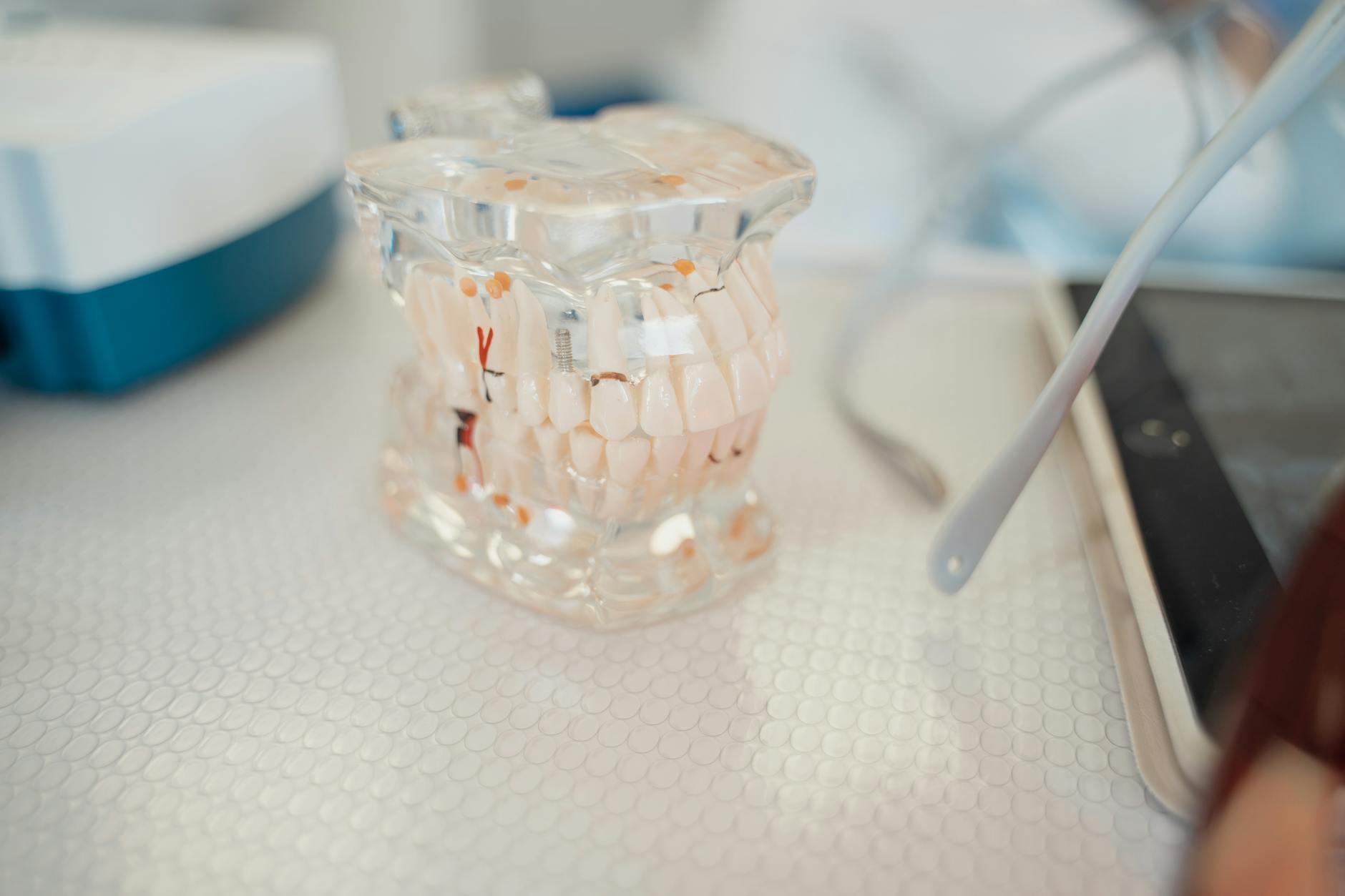
Dental implants cost more upfront but are fixed in the jaw, preserve bone, and can last decades; dentures cost less initially, require no surgery, but need adjustment or replacement over time. The right choice depends on your bone health, budget, overall health, and how much long-term stability matters to you. At Sola Dental Spa in Staten Island, we walk patients through both options with a full exam before recommending either one.
What do implants and dentures cost, and does insurance help?
| Option | Estimated Cost Range |
|---|---|
| Dental implant, per tooth | $3,000 to $7,000 |
| Full dentures | $1,000 to $3,500 |
| Complete implant-supported set | $20,000 to $40,000 or more |
Private dental insurance may partially cover implants when tooth loss results from injury or disease, though Medicare generally does not cover implants and Medicare Advantage coverage varies by plan. Dentures are more commonly covered under standard dental plans. Ask your insurer for a pre-authorization before starting treatment either way.
How long does each option last?
| Option | Longevity | Maintenance |
|---|---|---|
| Dental implant | Post lasts a lifetime; crown typically 10 to 15 years | Brush and floss normally, biannual cleanings |
| Full dentures | 5 to 10 years before reshaping or replacement is needed | Remove nightly, soak, adhesive often required |
| Implant-supported dentures | Frame may need periodic adjustment; longer-lasting than standard dentures | Remove to clean, no adhesive needed |
The long-term cost comparison often shifts toward implants once replacement frequency is factored in, since dentures typically need reshaping or full replacement as the jawbone changes shape underneath them.
Why does bone health matter so much in this decision?
This is the most clinically significant difference between the two options. Bone needs stimulation from chewing forces to maintain its density, and when a tooth is missing, the bone in that area begins to resorb within months. Dentures rest on top of the gum tissue and provide no bone stimulation, so bone loss continues underneath them, which is why the fit changes over time and why long-term denture wearers often notice facial changes. Implants transmit chewing force directly into the bone, which halts that process.
Which is more comfortable day to day?
Implants function like natural teeth: no adhesives, no removal, and no learning curve after healing. Dentures require an adjustment period during which speech may be affected, and they can shift while chewing, particularly lower dentures, which have less surface area for stability. Implant-supported overdentures that snap onto two or more implant posts address that instability while keeping costs below a full implant-supported set.
Am I a candidate for implants?
Not every patient is. Adequate bone volume is required, and patients with significant bone loss may need grafting before implants can be placed. Conditions such as uncontrolled diabetes, autoimmune disease, and active periodontal disease need to be stabilized first, and smokers face higher implant failure rates and are counseled to quit before surgery. Dentures require no surgery and no minimum bone volume, which makes them accessible to patients who are not implant candidates.
“I tell patients the real decision is not implants versus dentures in the abstract, it is what their bone and their health can actually support. Once we have that answer from imaging, the rest of the decision usually gets a lot easier.”
Dr. Daniel Nejat, DMD, Board-Certified Periodontist (Diplomate, American Board of Periodontology)
So which option is right for you?
Implants tend to be the better long-term investment for patients who are good surgical candidates, value stability and function, and are planning for decades of use. Dentures remain a reasonable choice for patients whose health limits surgical options, whose budget requires a lower upfront cost, or who prioritize simplicity of care. A thorough evaluation with detailed imaging is the first step either way, and you can learn more about dental implants before your consultation.
Frequently asked questions
How many Americans are missing teeth?
According to the American College of Prosthodontists, roughly 178 million Americans are missing at least one tooth, and about 40 million are missing all of their teeth.
Can I switch from dentures to implants later?
In many cases yes, as long as there is enough remaining bone volume, or after bone grafting if needed. A dental evaluation will confirm whether you are a candidate.
Do implant-supported dentures still need to be removed?
Some designs snap out for cleaning while others are fixed permanently in place, depending on the number of implants used and your dentist's recommendation.
Is the implant surgery painful?
The procedure is done under local anesthesia, with most patients reporting manageable soreness for a few days afterward rather than significant pain.
How do I know if I have enough bone for implants?
Your dentist will order imaging, typically a CT scan, to measure bone volume and density before recommending implants or bone grafting.
What is an implant-supported denture?
An implant-supported denture snaps onto two or more implant posts instead of resting directly on the gum tissue. It combines much of the stability of individual implants with a lower cost than replacing every tooth with its own implant, which makes it a middle option for patients who want more security than a traditional denture without the full expense of a complete implant-supported set.
How soon after tooth loss should I decide?
Sooner is generally better for implant candidacy, since jawbone begins to resorb within months of losing a tooth, and waiting can reduce the bone volume available for implant placement later.
Are dentures ever a better long-term choice than implants?
For patients with health conditions that rule out surgery, or for those prioritizing a lower upfront cost, dentures remain a reasonable long-term choice even though they typically need more maintenance over time.
Sources